1 - WORLD - JoanMira

Music, News & Others

2016-07-31

Luke Aikins, o primeiro a saltar a mais de 7 km de altitude sem paraquedas (Video)

O norte-americano Luke Aikins tornou-se a primeira pessoa do mundo a saltar 25 mil pés (7620 metros) sem paraquedas, depois de se lançar de um helicóptero.
Segundo a imprensa, citada pela agência EFE, o homem de 42 anos alcançou uma velocidade de 193 quilómetros por hora no salto de durou dois minutos e caiu numa enorme rede de segurança instalada por vários metros no solo em Simi Valley, onde o esperava a sua família.

No local da "aterragem" tinham sido realizados testes com manequins de 90 quilos, que decorreram com normalidade, embora um deles não tivesse acertado no alvo. Esperava-se que tal não acontecesse ao paraquedista, mas para prevenir qualquer incidente a Fox emitiu o salto com um ligeiro atraso, de forma a poder parar a emissão em caso de tragédia.


Diario de Noticias - Portugal
JoanMira at 7/31/2016 Aucun commentaire:
Partager

Imagens do Mundo - Sitios lindos de Portugal - Lagos

JoanMira at 7/31/2016 Aucun commentaire:
Partager

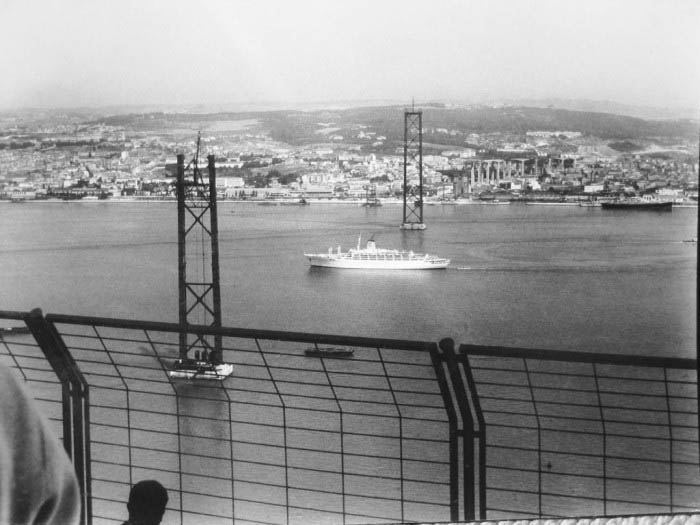
Imagens do Mundo - A construção da Ponte 25 de Abril - Lisboa - Portugal

ponte_tejo_2
1962-1966
JoanMira at 7/31/2016 Aucun commentaire:
Partager

Astronomy picture of the day - 2016 July 31 - A Huge Solar Filament Erupts

Afficher l'image d'origine
A Huge Solar Filament Erupts 
Video Credit: NASA's GSFC, SDO AIA Team
Explanation: Filaments sometimes explode off the Sun. Featured, a huge filament had been seen hovering over the Sun's surface for over a week before it erupted late in 2010. The image sequence was taken by the Earth-orbitingSolar Dynamics Observatory (SDO) in one color of ultraviolet light. The explosion created a Coronal Mass Ejection that dispersed high energy plasma into the Solar System. This plasma cloud, though, missed the Earth and so did not cause auroras. The featured eruption depicted how widely separated areas of the Sun can sometimes act in unison. Explosions like this will likely become less common over the next few years as our Sun goes through a Solar Minimumin its surface magnetic activity.
JoanMira at 7/31/2016 Aucun commentaire:
Partager

2016-07-30

Anedota "alantjana" do dia - 30-07-2016


Afficher l'image d'origine

Um alentejano entrou na sala de espera de um consultório médico. Ao aproximar-se da mesa da recepção, a recepcionista dirige-lhe a palavra:
- Bom dia senhor, qual o seu problema?

Diz o alentejano:
- O mê problema é no pénis.

A recepcionista, ao ouvir o alentejano, irritou-se e pregou-lhe uma descompostura:
- O senhor não devia dizer uma coisa dessas numa sala de espera tão cheia! Está a causar embaraço aos outros presentes! São pessoas de fino porte, educadas… O senhor devia ter dito, por exemplo, que estava com um problema na orelha e depois, já dentro do consultório, contava os detalhes ao doutor.

O alentejano, sentindo-se humilhado, retirou-se da sala, voltou à rua, recompos-se e regressou à sala de espera predisposto a corrigir a má impressão causada de que, aliás, estava francamente arrependido.

A recepcionista ao vê-lo de regresso sorriu e, colaborante, perguntou:
- Muito bom dia senhor, qual o seu problema?

Diz o alentejano:
- Estou com um problema na orelha!

A recepcionista rejubilou num indisfarçável aceno de aprovação e, sorrindo triunfante, prosseguiu:
- E diga-me, qual é o problema da sua orelha?

E responde o alentejano:
- Arde muito, quando mijo.
JoanMira at 7/30/2016 Aucun commentaire:
Partager

Imagens do Mundo - Sitios lindos de Portugal - Evora

O62A8942
JoanMira at 7/30/2016 Aucun commentaire:
Partager

Imagens do Mundo - Ruas floridas - Valência, Espanha

JoanMira at 7/30/2016 Aucun commentaire:
Partager

Imagens do Mundo - Brasil olimpico - Arena de volei de praia - Praia de Copacabana

Vista aérea da arena de vôlei de praia e da praia de Copacabana Foto: YASUYOSHI CHIBA / AFP
JoanMira at 7/30/2016 Aucun commentaire:
Partager

Imagens do Mundo - Ruas floridas - Porto Alegre, Brasil

JoanMira at 7/30/2016 Aucun commentaire:
Partager

The Script - "Six degrees of separation" - Video - Music

Afficher l'image d'origine
"Six degrees of separation"
JoanMira at 7/30/2016 Aucun commentaire:
Partager

Bob Dylan & Eric Clapton - "Don't think twice, it's all right" - Video - Music - Live

Afficher l'image d'origine
"Don't think twice, it's all right"
JoanMira at 7/30/2016 Aucun commentaire:
Partager

Astronomy picture of the day - 2016 July 30 - Ripples Through a Dark Sky

See Explanation.  Clicking on the picture will download
 the highest resolution version available.
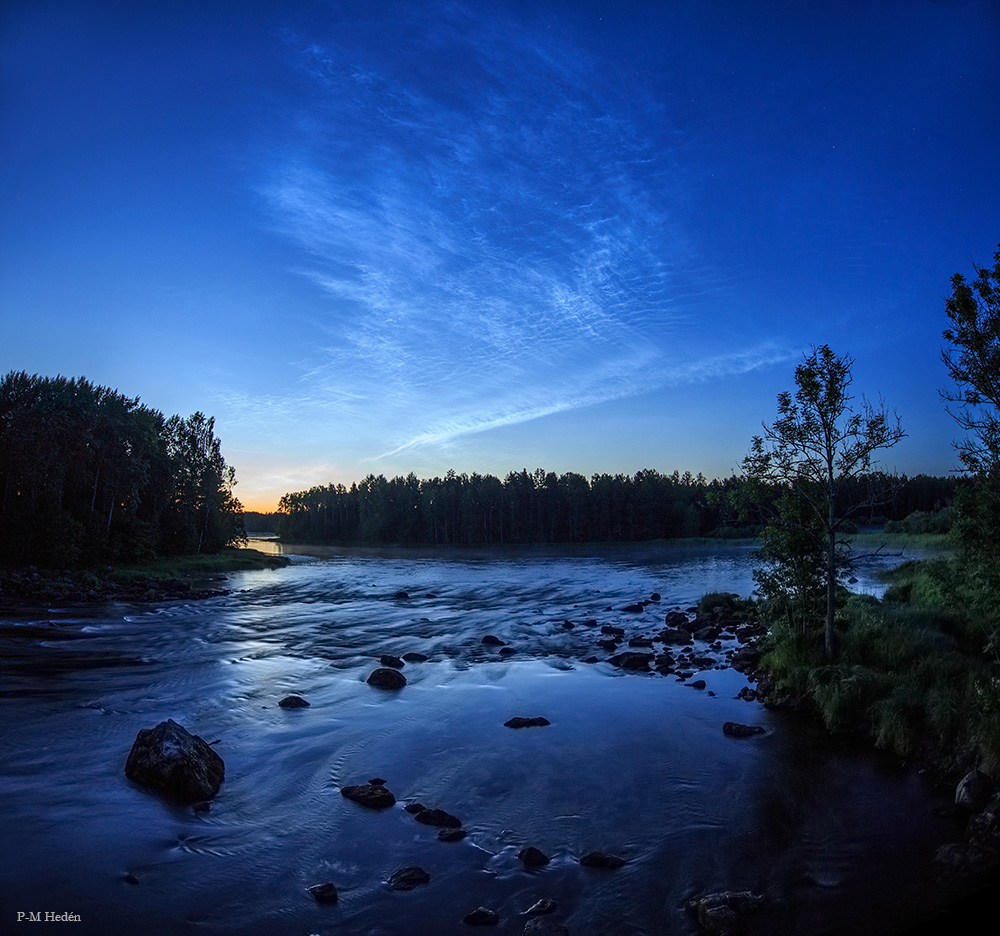
Ripples Through a Dark Sky 
Image Credit & Copyright: P-M Hedén (Clear Skies, TWAN)
Explanation: Sunlight ripples through a dark sky on this Swedish summer midnight as noctilucent or night shining clouds seem to imitate the river below. In fact, the seasonal clouds often appear at high latitudes in corresponding summer months. Also known as polar mesospheric clouds, they form as water vapor is driven into the cold upper atmosphere. Fine dust supplied by disintegrating meteors or volcanic ash provides sites where water vapor can condense, turning to ice at the cold temperatures in the mesosphere. Poised at the edge of space some 80 kilometers above, these icy clouds really do reflect sunlight toward the ground. They are visible here even though the Sun itself was below the horizon, as seen on July 16 from Sweden's Färnebofjärdens National Park.
JoanMira at 7/30/2016 Aucun commentaire:
Partager

2016-07-29

Imagens do Mundo - Ruas floridas - Spello, Itália

JoanMira at 7/29/2016 Aucun commentaire:
Partager

Imagens do Mundo - Ruas floridas - Caminho encantador em Taiwan

JoanMira at 7/29/2016 Aucun commentaire:
Partager

Imagenes del Mundo - Galeria Tretyakov de Krymsky Val, en Moscú, Rusia.

Una mujer contempla una obra de Ivan Aivazovsky, el pintor romántico ruso, considerado uno de los mejores artistas marinos de la historia, en la Galeria Tretyakov de Krymsky Val, en Moscú, Rusia.
PAVEL GOLOVKIN AP
JoanMira at 7/29/2016 Aucun commentaire:
Partager

Astronomy picture of the day - 2016 July 29 - Blue Danube Analemma

See Explanation.  Clicking on the picture will download
 the highest resolution version available.
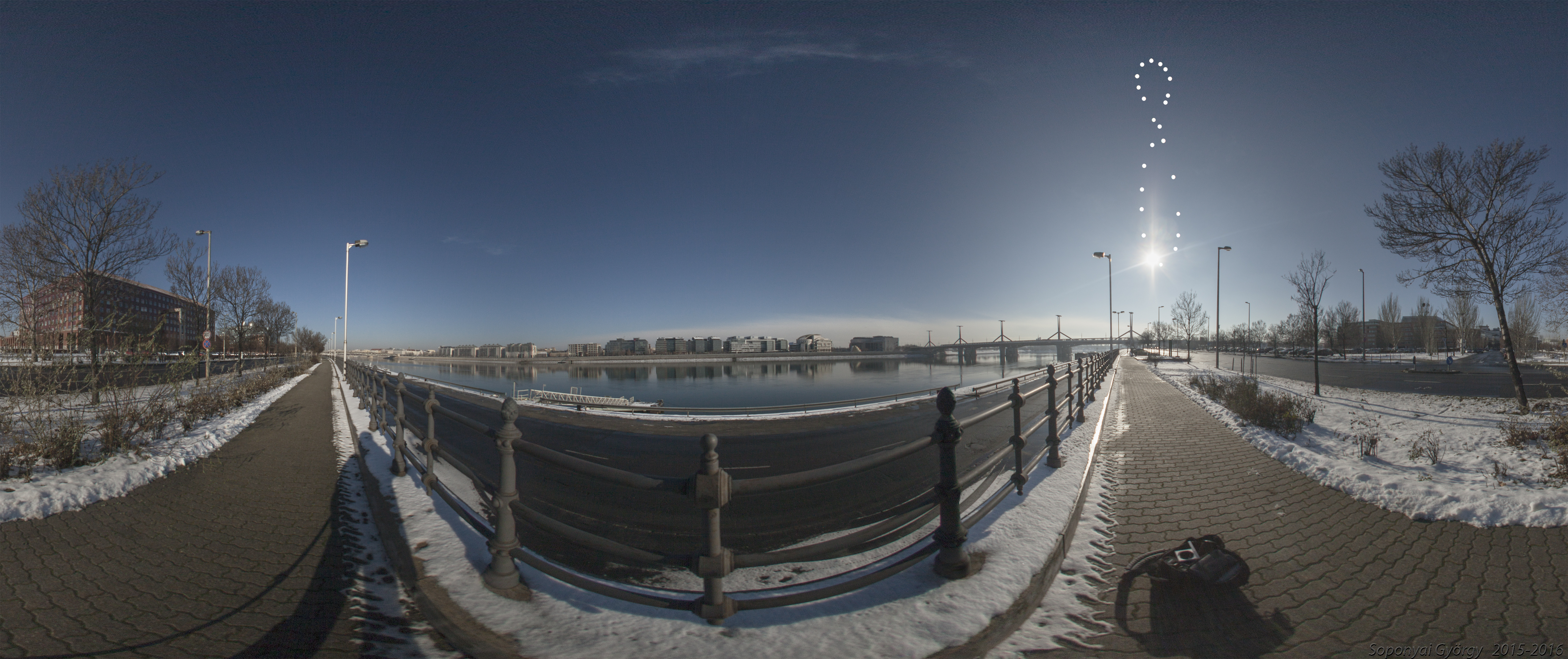
Blue Danube Analemma 
Image Credit & Copyright: György Soponyai
Explanation: The Sun's annual waltz through planet Earth's sky forms a graceful curve known as an analemma. The analemma's figure 8 shape is tipped vertically at far right in this well-composed fisheye view from Budapest, Hungary. Captured at a chosen spot on the western bank of the Danube river, the Sun's position was recorded at 11:44 Central European Time on individual exposures over days spanning 2015 July 23 to 2016 July 4. Of course, on the northern summer solstice the Sun is at the top of the curve, but at the midpoints for the autumn and spring equinoxes. With snow on the ground, the photographer's shadow and equipment bag also appear in the base picture used for the composite panorama, taken on 2016 January 7. On that date, just after the winter solstice, the Sun was leaving the bottom of the beautiful curve over the blue Danube.
JoanMira at 7/29/2016 Aucun commentaire:
Partager

2016-07-28

Imagens do Mundo - Ruas floridas - Washington - USA

JoanMira at 7/28/2016 Aucun commentaire:
Partager

Imagens do Mundo - Ruas floridas - Positano - Itália

JoanMira at 7/28/2016 Aucun commentaire:
Partager

Astronomy pictures of the day - 2016 July 28 - Herschel's Eagle Nebula

See Explanation.  Clicking on the picture will download
 the highest resolution version available.
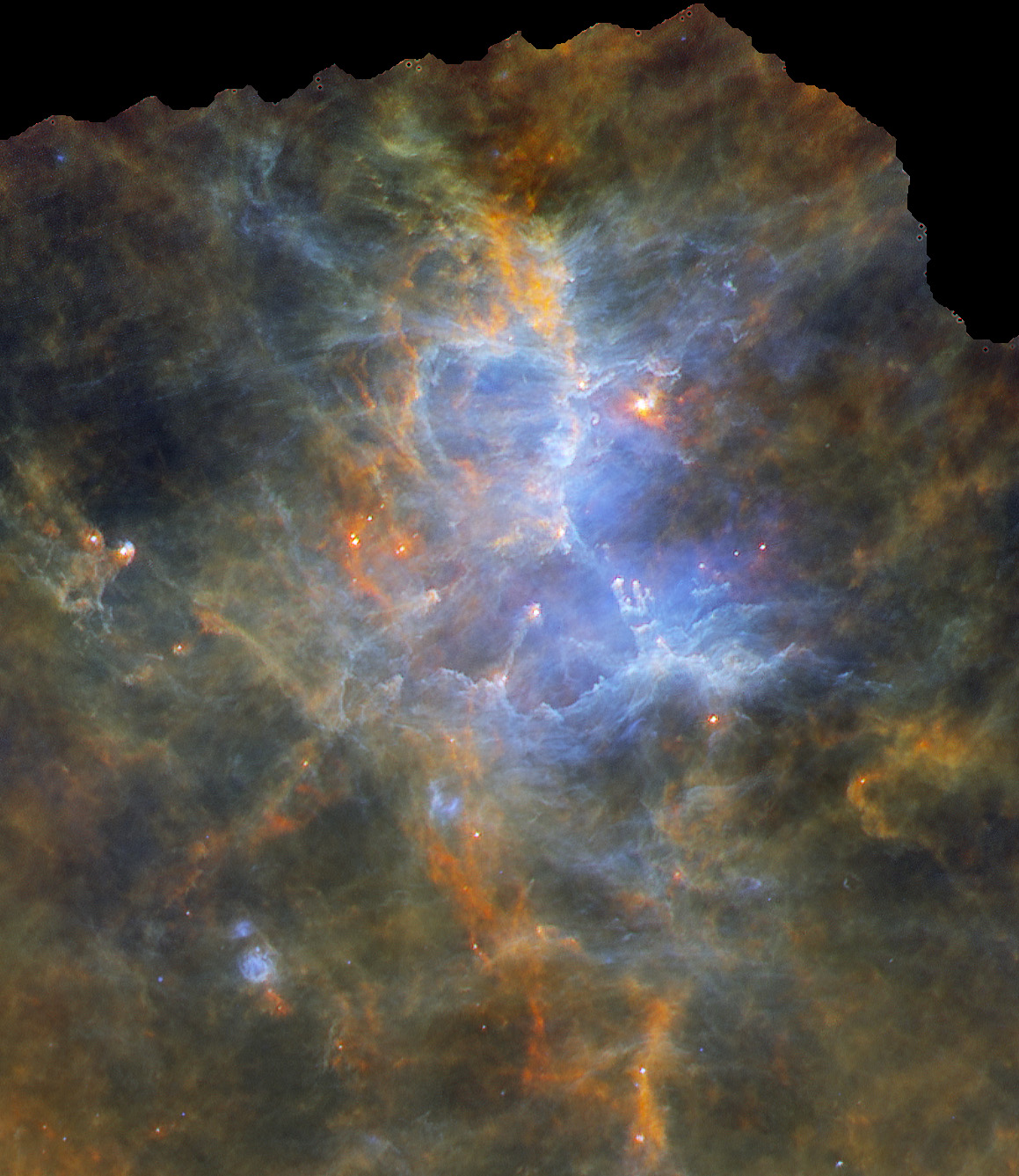
Herschel's Eagle Nebula 
Image Credit & Copyright: ESA/Herschel/PACS, SPIRE/Hi-GAL Project
Acknowledgment: G. Li Causi, IAPS/INAF
Explanation: A now famous picture from the Hubble Space Telescope featured Pillars of Creation, star forming columns of cold gas and dust light-years long inside M16, the Eagle Nebula. This false-color composite image views the nearby stellar nursery using data from the Herschel Space Observatory's panoramic exploration of interstellar clouds along the plane of our Milky Way galaxy. Herschel's far infrared detectors record the emission from the region's cold dust directly. The famous pillars are included near the center of the scene. While the central group of hot young stars is not apparent at these infrared wavelengths, the stars' radiation and winds carve the shapes within the interstellar clouds. Scattered white spots are denser knots of gas and dust, clumps of material collapsing to form new stars. The Eagle Nebula is some 6,500 light-years distant, an easy target for binoculars or small telescopes in a nebula rich part of the sky toward the split constellation Serpens Cauda (the tail of the snake).
JoanMira at 7/28/2016 Aucun commentaire:
Partager

2016-07-27

Imagens do Mundo - Ruas floridas - Túnel de Wisteria, no Japão

JoanMira at 7/27/2016 Aucun commentaire:
Partager

Imagens do Mundo - Ruas floridas - Avenida Milton, em Harare, no Zimbábue

JoanMira at 7/27/2016 Aucun commentaire:
Partager

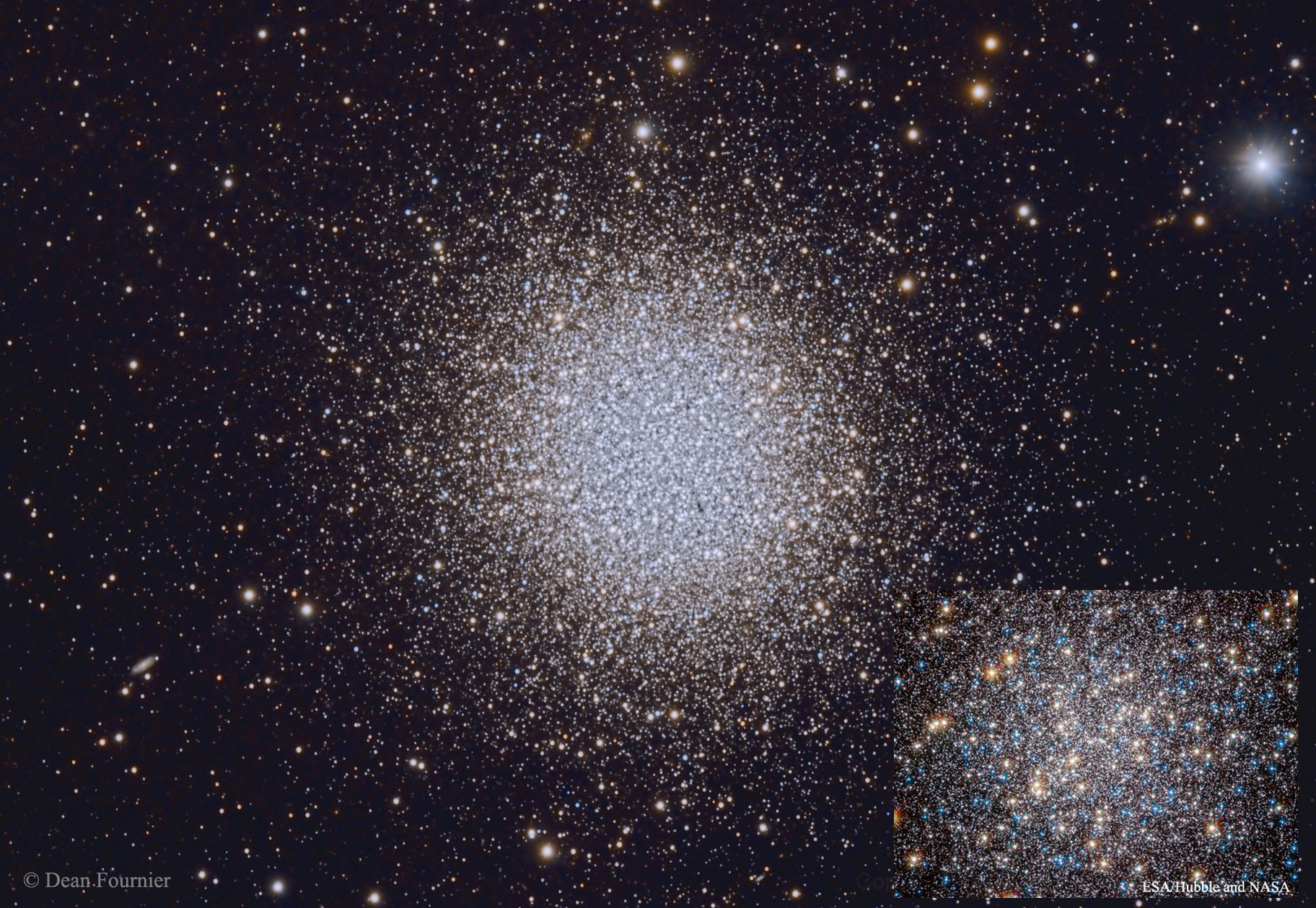
Astronomy picture of the day - 2016 July 27 - M13: A Great Globular Cluster of Stars

See Explanation.  Clicking on the picture will download
 the highest resolution version available.
M13: A Great Globular Cluster of Stars 
Image Credit & Copyright: Dean Fournier; Inset: ESA/Hubble & NASA
Explanation: M13 is one of the most prominent and best known globular clusters. Visible with binoculars in the constellation of Hercules, M13 is frequently one of the first objects found by curious sky gazers seeking celestials wonders beyond normal human vision. M13 is a colossal home to over 100,000 stars, spans over 150 light years across, lies over 20,000 light years distant, and is over 12 billion years old. At the 1974 dedication of Arecibo Observatory, a radio message about Earth was sent in the direction of M13. The featured image in HDR, taken through a small telescope, spans an angular size just larger than a full Moon, whereas the inset image, taken by Hubble Space Telescope, zooms in on the central 0.04 degrees.
JoanMira at 7/27/2016 Aucun commentaire:
Partager

2016-07-26

Imagens do Mundo - Palacete Mendonça - Lisboa - Portugal - (Arquiteto Terra Ventura)


Palacete Mendonça

Arquiteto Ventura Terra

(Ler interessante artigo em: Diario de Noticias)
JoanMira at 7/26/2016 Aucun commentaire:
Partager

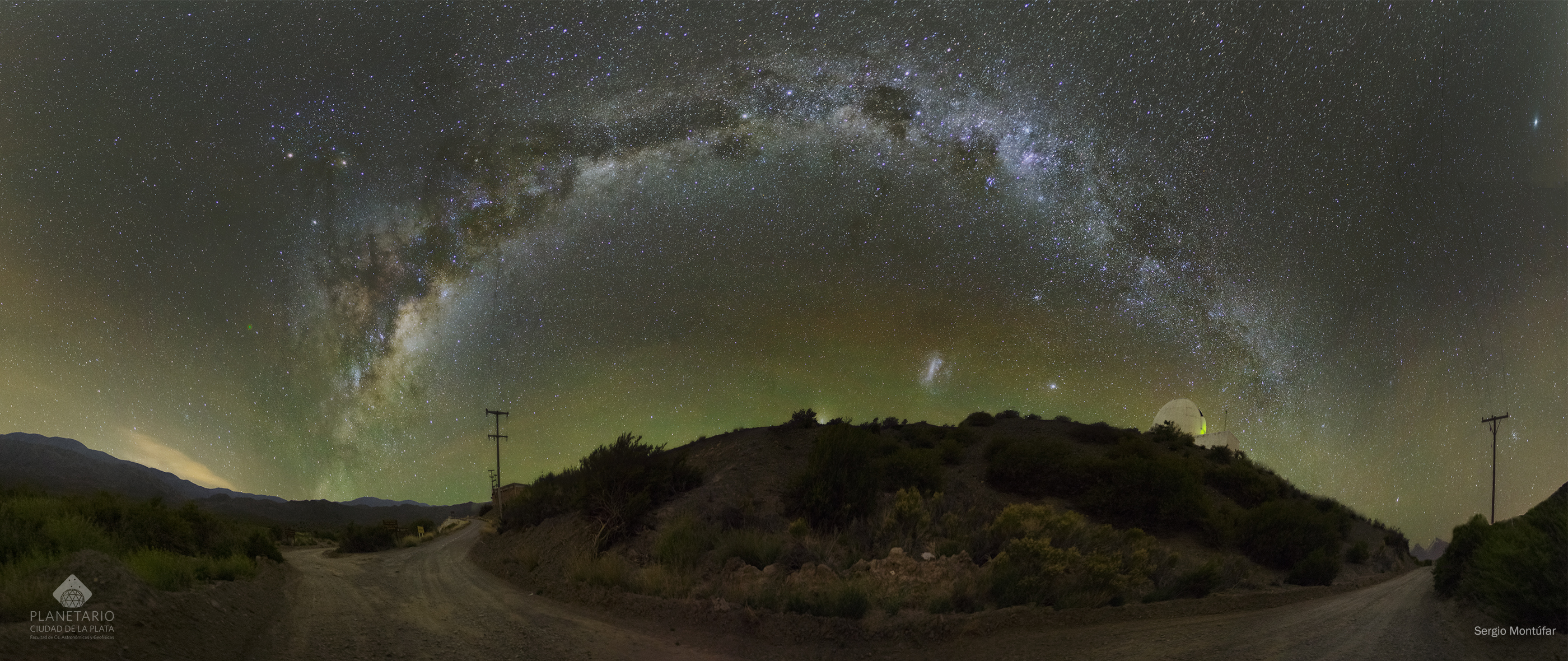
Astronomy picture of the day - 2016 July 26 - Puzzling a Sky over Argentina

See Explanation.
Moving the cursor over the image will bring up an annotated version.
Clicking on the image will bring up the highest resolution version
available.
Puzzling a Sky over Argentina 
Image Credit & Copyright: Sergio Montúfar; Acknowledgement: Planetario Ciudad de La Plata / CASLEO observatory
Explanation: Can you find the comet? True, a careful eye can find thousands of stars, tens of constellations, four planets, three galaxies, and the central band of our Milky Way Galaxy -- all visible in the sky of this spectacular 180-degree panorama. Also, if you know what to look for, you can identify pervasive green airglow, an earthly cloud, the south celestial pole, and even a distant cluster of stars. But these are all easier to find than Comet 252P/LINEAR. The featured image, taken in el Leoncito National Park, Argentina in early April, also features the dome of the Jorge Sahade telescope on the hill on the far right. Have you found the comet yet? If so, good for you (it was the green spoton the left), but really the harder thing to find is Small Cloud of Magellan.
JoanMira at 7/26/2016 Aucun commentaire:
Partager

Portugal - Euro 2016 : “10 juillet, désormais jour de fête nationale”
Le Portugal savoure son titre de champion d’Europe ce lundi matin, le premier trophée international glané par la Seleçao.
Ce matin, tout un pays est en fête, annonce Público. Du nord au sud, une vague rouge, verte et jaune – les couleurs nationales – déferle sur le Portugal, constate le quotidien de Lisbonne. Pendant cet Euro, “il y a eu un fil conducteur de souffrance dans tout le pays, mais aussi une ligne de foi en la réussite. C’est le moment qu’on attendait depuis 2004”, quand le Portugal avait perdu en finale de “son” Euro face à la Grèce.

Pour l’occasion, le quotidien portugais décrète en une ce matin : “10 juillet, fête nationale”, illustrant sa couverture par une photo d’Eder, auteur de l’unique but de la partie. C’est un exploit digne des plus hauts faits, assure le quotidien, pour qui un championnat d’Europe est fait de souffrances, de sacrifices et de larmes. Et le journal de citer le capitaine de la Seleçao :

C’est l’un des moments les plus heureux de ma vie. C’est unique. J’en ai pleuré. Je suis tellement heureux. Le Portugal le méritait. On est tous unis. Des félicitations pour tous.”

Astérix devenu portugais

La presse portugaise s’en donne à cœur joie en ce lendemain de victoire. En une, le Jornal de Notícias a opté pour la photo classique de l’équipe gagnante soulevant la coupe au Stade de France. “Le missile tiré par Eder à la 109e minute a fait l’Histoire”, estime le quotidien portugais. Blessé après un tacle de Payet, la star Ronaldo a brandi une coupe faite d’efforts et de larmes, mais cette histoire ne pouvait que bien se terminer, ajoute le journal de Lisbonne, qui consacre la quasi-totalité de ses pages à la victoire.

Le quotidien I a, lui, choisi l’humour ce matin, et consacre toute sa première page de couverture à Astérix, avec le héros français rigolard brandissant un drapeau portugais. Et ce simple mot : “Champions !”
La une du journal portugais<strong> I</strong> ce 11 juillet 2016Courrier International - France
JoanMira at 7/26/2016 Aucun commentaire:
Partager

2016-07-25

And now, it's time to say googbye. Ciao, ciao, ciao...

Gil Elvgren:
CIAO, CIAO, CIAO...
JoanMira at 7/25/2016 Aucun commentaire:
Partager

Roberto Carlos & Caetano Veloso - "Wave" - Video - Musica - Ao vivo

Afficher l'image d'origine
"Wave"
JoanMira at 7/25/2016 Aucun commentaire:
Partager

Imagens do Mundo - Ruas floridas - Lisboa - Portugal

JoanMira at 7/25/2016 Aucun commentaire:
Partager

Imagens do Mundo - Ruas floridas - Nauplia - Grécia

JoanMira at 7/25/2016 Aucun commentaire:
Partager

Imagenes del Mundo - Lisboa - Portugal - La llegada del equipo de fútbol de Portugal
La llegada del equipo de fútbol de Portugal a Lisboa después de ganar la Eurocopa 2016.
JoanMira at 7/25/2016 Aucun commentaire:
Partager

Astronomy picture of the day - 2016 July 25 - Deep Magellanic Clouds Image Indicates Collisions

See Explanation.  Clicking on the picture will download
 the highest resolution version available.
Deep Magellanic Clouds Image Indicates Collisions 
Image Credit & Copyright: Yuri Beletsky (Carnegie Las Campanas Observatory, TWAN) & David Martinez-Delgado (U. Heidelberg)
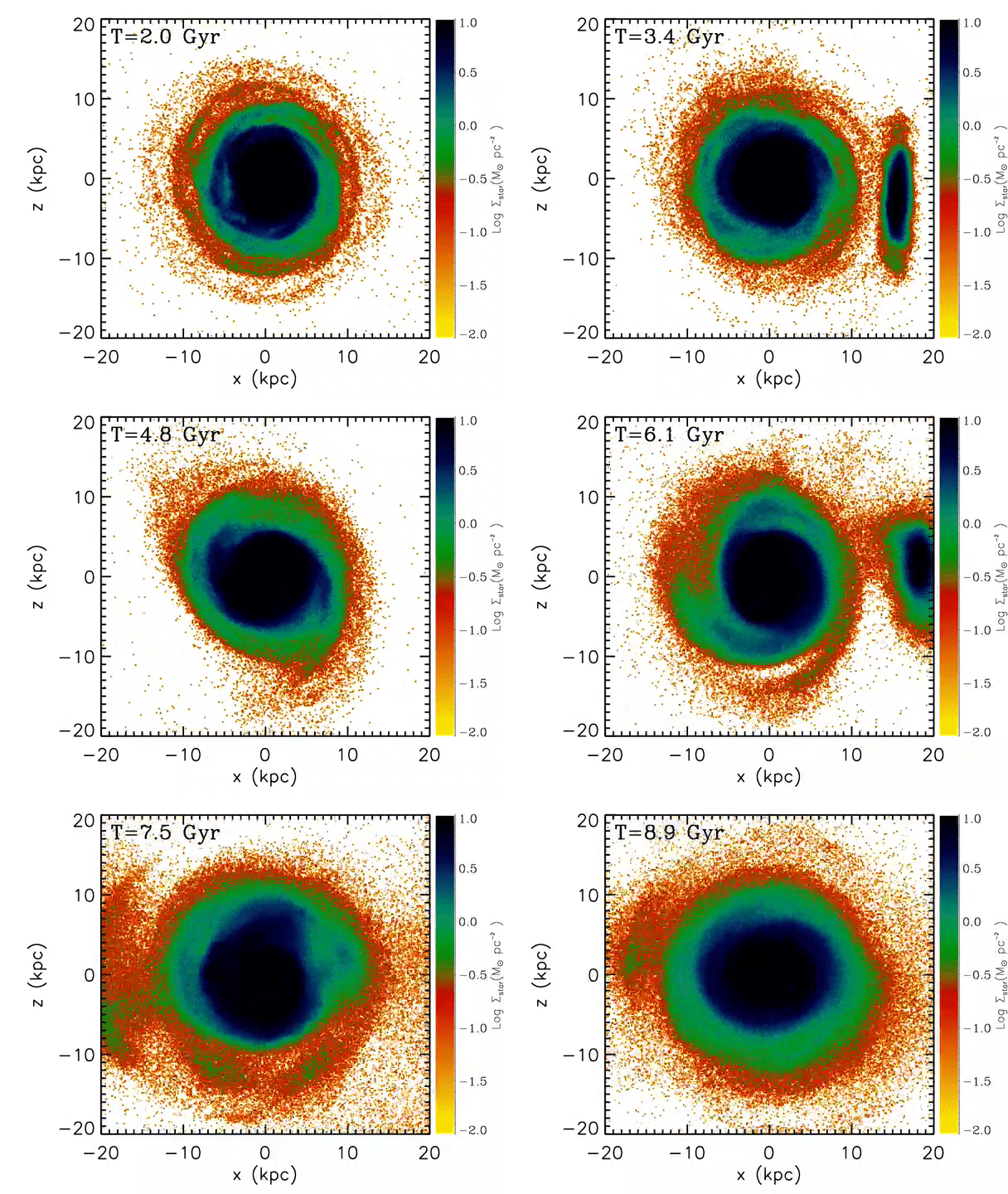
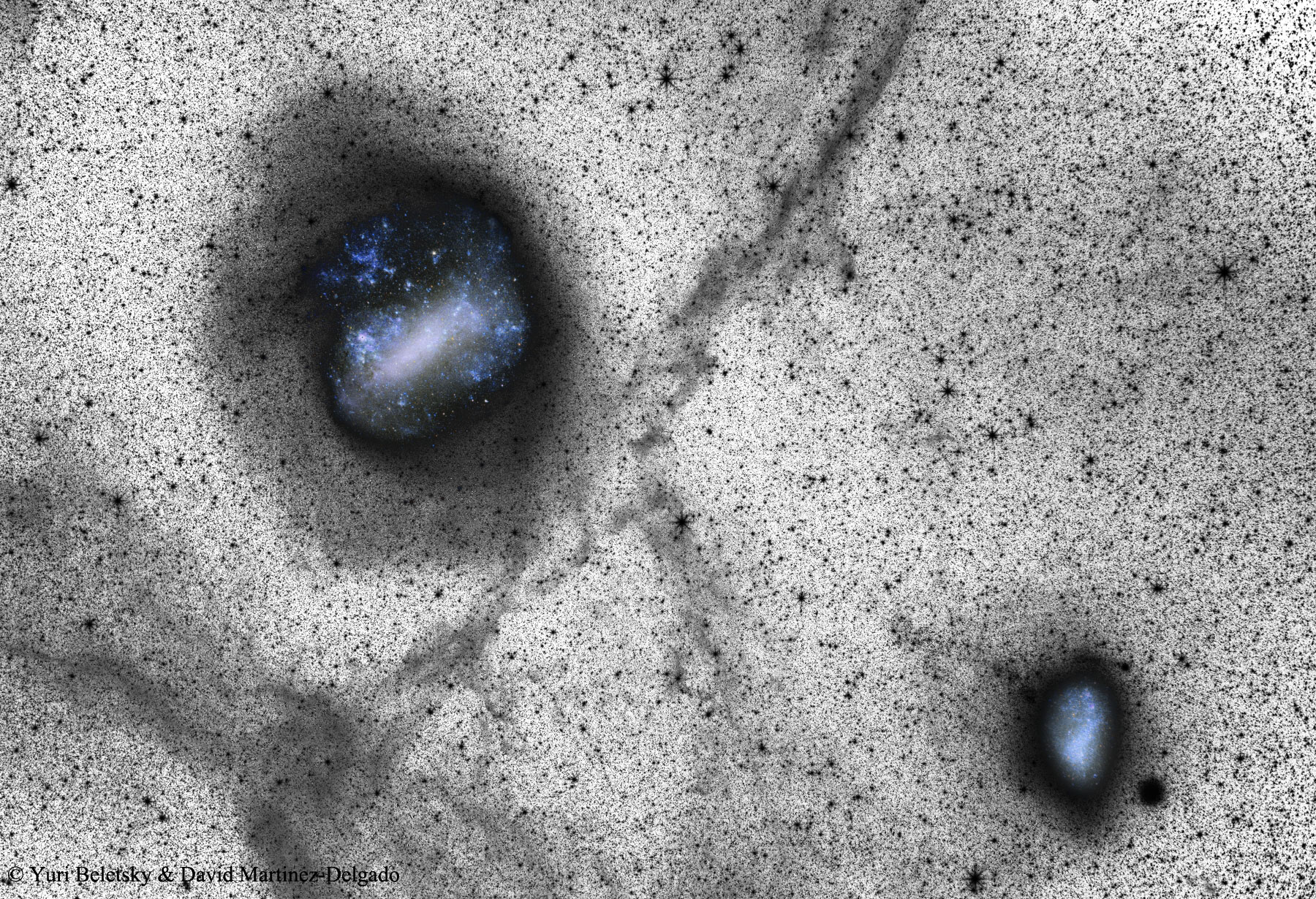
Explanation: Did the two most famous satellite galaxies of our Milky Way Galaxy once collide? No one knows for sure, but a detailed inspection of deep images like that featured here give an indication that they have. Pictured, theLarge Magellanic Cloud (LMC) is on the top left and the Small Magellanic Cloud (SMC) is on the bottom right. The surrounding field is monochrome color-inverted to highlight faint star streams, shown in gray. Perhaps surprisingly, thefeatured research-grade image was compiled with small telescopes to cover the large angular field -- nearly 40 degrees across. Much of the faint nebulosity is Galactic Cirrus clouds of thin dust in our own Galaxy, but a faint stream of stars does appear to be extending from the SMC toward the LMC. Also, stars surrounding the LMC appear asymmetrically distributed, indicating in simulations that they could well have been pulled off gravitationally in one or more collisions. Both the LMC and the SMC are visible to the unaided eye in southern skies. Future telescopic observations and computer simulations are sure to continue in a continuing effort to better understand the history of our Milky Way and its surroundings.
JoanMira at 7/25/2016 Aucun commentaire:
Partager

2016-07-24

Astronomy picture of the day - 2016 July 24 - M2-9: Wings of a Butterfly Nebula

See Explanation.  Clicking on the picture will download
 the highest resolution version available.
M2-9: Wings of a Butterfly Nebula 
Image Credit: Hubble Legacy Archive, NASA, ESA - Processing: Judy Schmidt
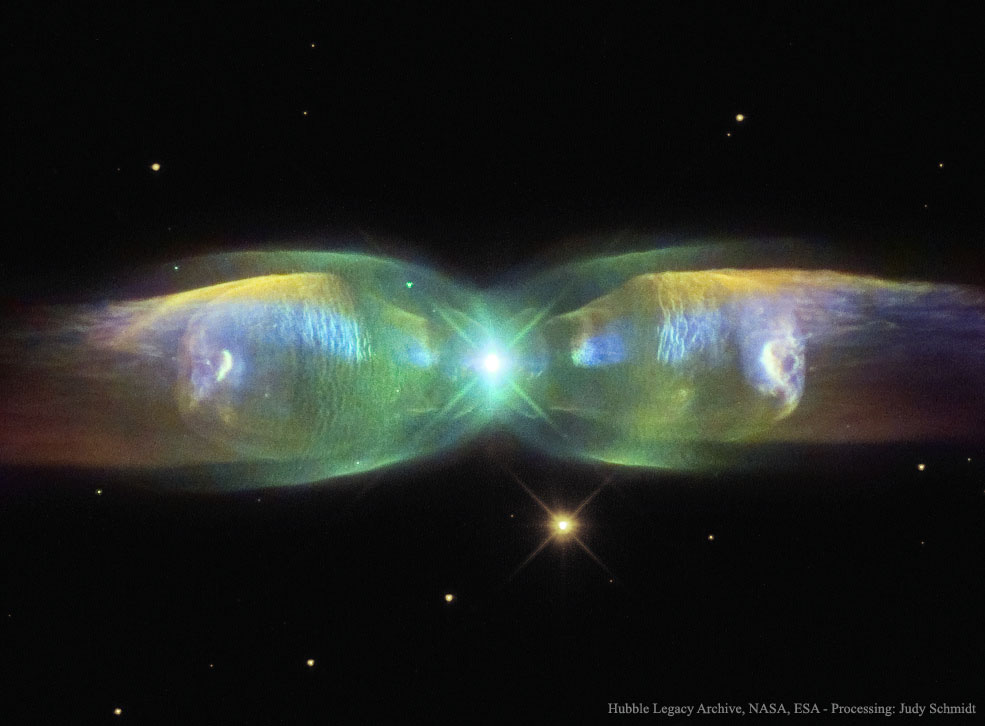
Explanation: Are stars better appreciated for their art after they die? Actually, stars usually create their most artistic displays as they die. In the case of low-mass stars like our Sun and M2-9 pictured above, the stars transform themselves from normal stars to white dwarfs by casting off their outer gaseous envelopes. The expended gas frequently forms an impressive display called a planetary nebula that fades gradually over thousands of years. M2-9, a butterfly planetary nebula 2100 light-years away shown in representative colors, has wings that tell a strange but incomplete tale. In the center, two stars orbit inside a gaseous disk 10 times the orbit of Pluto. The expelled envelope of the dying star breaks out from the disk creating the bipolar appearance. Much remains unknown about the physical processes that cause planetary nebulae.
JoanMira at 7/24/2016 Aucun commentaire:
Partager

2016-07-23

Imagenes del Mundo - Rally Ruta de la Seda - Mongolia

El piloto Yazeed Mohamed al-Rahji y su copiloto Timo Gottschalk del equipo Mini compitiendo en el desierto de Gobi en Mongolia durante el Rally de la Ruta de la Seda.
PATRICK BAZ AFP
JoanMira at 7/23/2016 Aucun commentaire:
Partager

Imagenes del Mundo - Lisboa - Portugal

Un marinero delante de varios barcos de vela amarrados en el muelle de Santa Apolonia en Lisboa, Portugal.
PATRICIA DE MELO MOREIRA AFP
JoanMira at 7/23/2016 Aucun commentaire:
Partager

Imagens do Mundo - Sitios lindos de Portugal - Ericeira

Ericeira, uma povoação de pescadores situada a 8 km do Palacio de Mafra. Foi a partida para o exilio brasileiro da familia real portuguesa.

VAN DER MEER RENE/ISTOCK
JoanMira at 7/23/2016 Aucun commentaire:
Partager

Astronomy picture of the day - 2016 July 23 - Summer Planets and Milky Way

See Explanation.  Clicking on the picture will download
 the highest resolution version available.
Summer Planets and Milky Way 
Image Credit & Copyright: Tunç Tezel (TWAN)
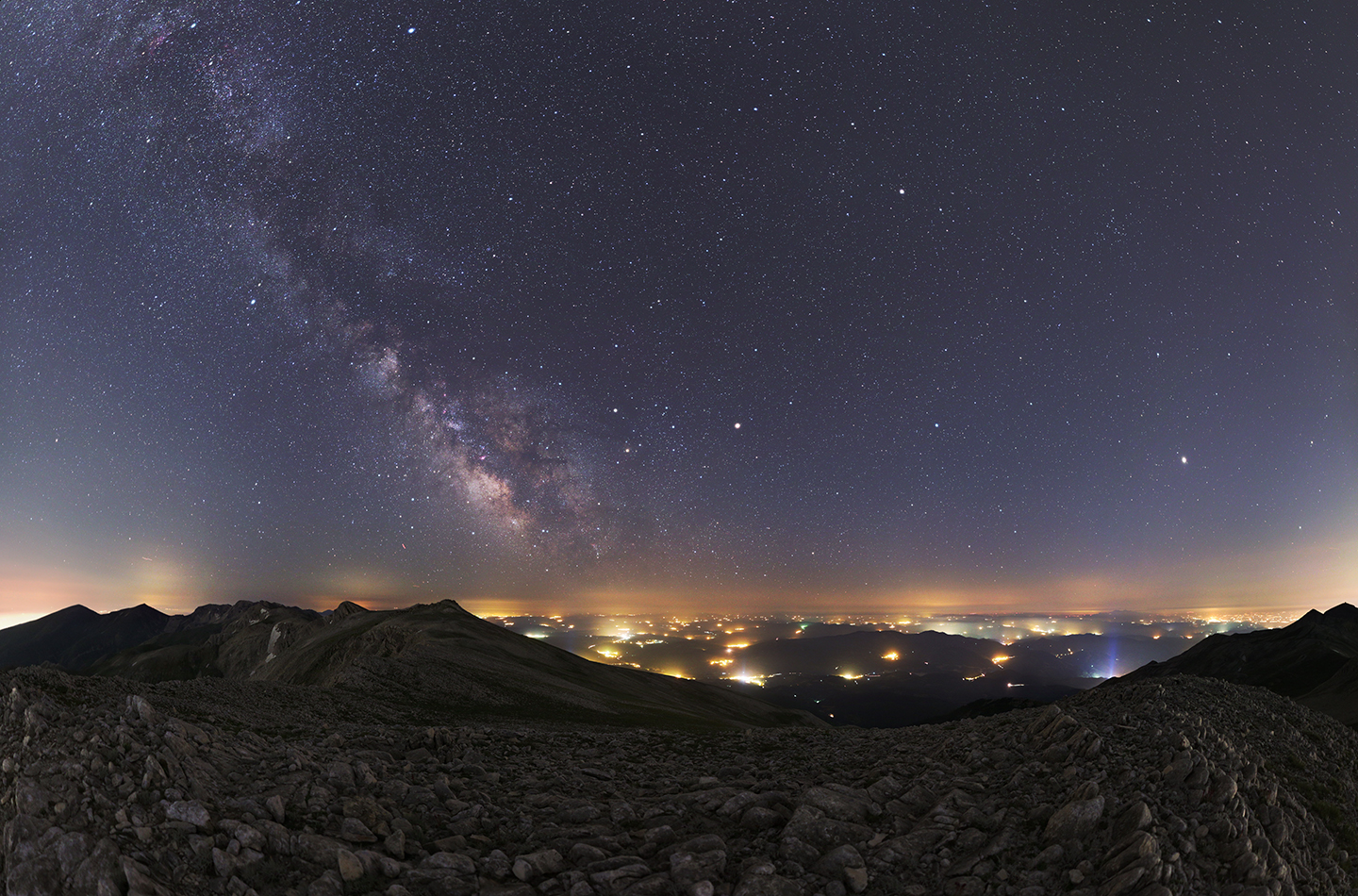
Explanation: Lights sprawl toward the horizon in this night skyscape from Uludag National Park, Bursa Province, Turkey, planet Earth. The stars and nebulae of the Milky Way are still visible though, stretching above the lights on the northern summer night while three other planets shine brightly. Jupiter is at the far right, Mars near the center of the frame, and Saturn is just right of the bulging center of our galaxy. Because the panoramic scene was captured on July 6, all three planets pictured were hosting orbiting, operational, robotic spacecraft from Earth. Popular Mars has five (from three different space agencies): MAVEN (NASA), Mars Orbiter Mission (India), Mars Express (ESA), Mars Odyssey (NASA), Mars Reconnaissance Orbiter (NASA). Ringed Saturn hosts the daring Cassini spacecraft. Just arrived, Juno now orbits ruling gas giant Jupiter.
JoanMira at 7/23/2016 Aucun commentaire:
Partager

2016-07-22

Imagens do Mundo - Sitios lindos de Portugal - Sortelha


Uma das mais belas e velhas aldeias portuguesas que conservou a sya fisionomia urbana e arquitectonica até aos nossos dias.
ALDEIAS HISTÓRICAS DE PORTUGAL
JoanMira at 7/22/2016 Aucun commentaire:
Partager

Astronomy picture of the day - 2016 July 22 - Moon Meets Jupiter

See Explanation.  Clicking on the picture will download
 the highest resolution version available.
Moon Meets Jupiter 
Image Credit & Copyright: Cristian Fattinnanzi
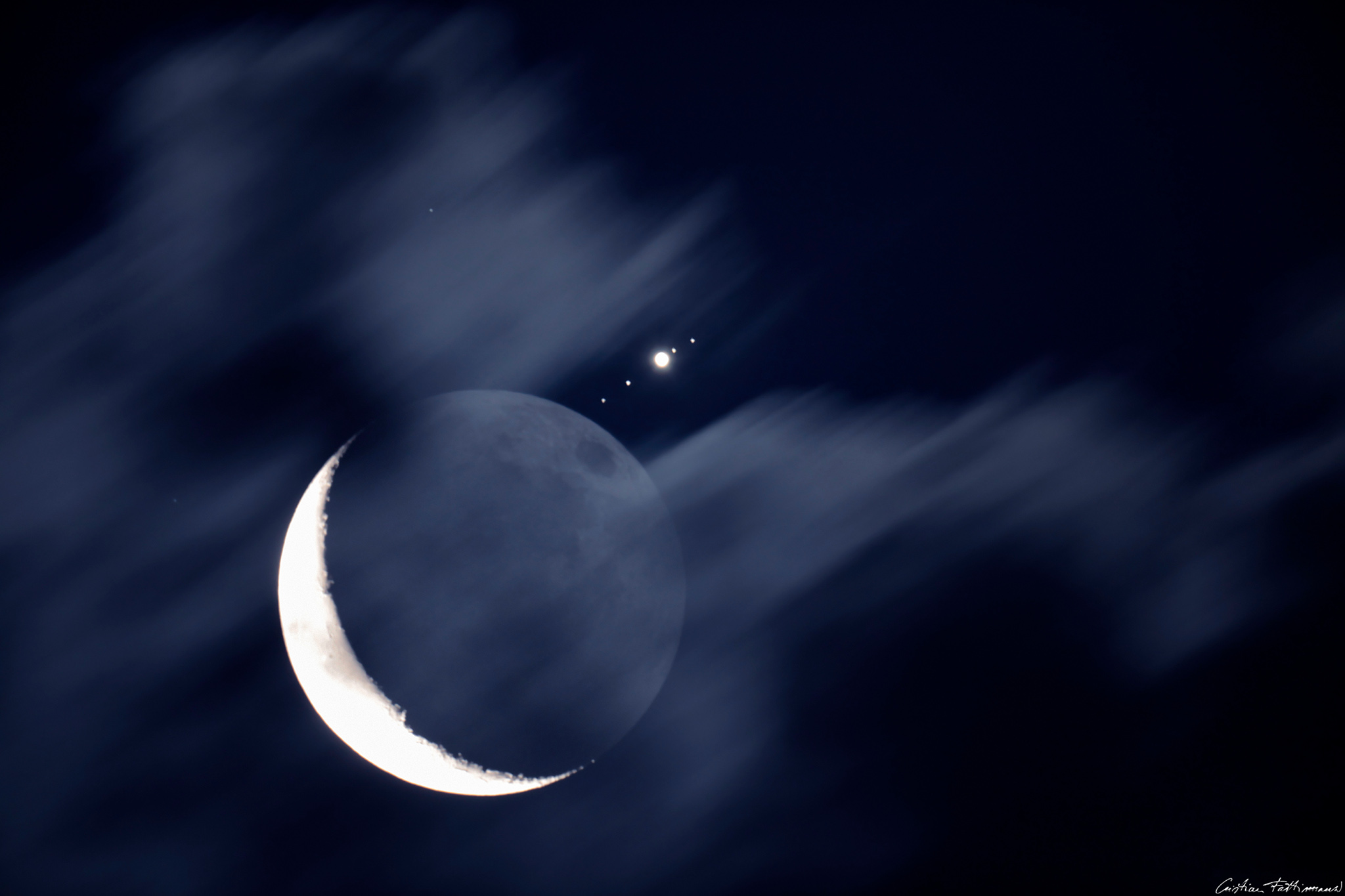
Explanation: What's that next to the Moon? Jupiter -- and its four largest moons. Skygazers around planet Earth enjoyed the close encounter of planets and Moon in 2012 July 15's predawn skies. And while many saw bright Jupiter next to the slender, waning crescent, Europeans also had the opportunity to watch the ruling gas giant pass behind the lunar disk, occulted by the Moon as it slid through the night. Clouds threaten in this telescopic view fromMontecassiano, Italy, but the frame still captures Jupiter after it emerged from the occultation along with all four of its large Galilean moons. The sunlit crescent is overexposed with the Moon's night side faintly illuminated by Earthshine. Lined up left to right beyond the dark lunar limb are Callisto, Ganymede, Jupiter, Io, and Europa. In fact, Callisto, Ganymede, and Io are larger than Earth's Moon, while Europa is only slightly smaller. Last week, NASA's Juno became the second spacecraft ever to orbit Jupiter.
JoanMira at 7/22/2016 Aucun commentaire:
Partager

2016-07-21

Fotos - Castelo de Palmela - Portugal - 11-09-2014

Castelo de Palmela

11-09-2014
JoanMira
JoanMira at 7/21/2016 Aucun commentaire:
Partager

Imagenes del Mundo - Lince ibérico - Madrid - España

Inauguración de las nuevas instalaciones del Zoo Aquarium de Madrid dedicadas al lince ibérico, con motivo de la llegada de una pareja de estos felinos procedentes del centro de cría cacereño de Granadilla.
SERGIO BARRENECHEA EFE
JoanMira at 7/21/2016 Aucun commentaire:
Partager

Imagens do Mundo - Deserto de Gobi - Mongolia

Helicóptero sobrevuela un oasis en el desierto Gobi, Mongolia.
PATRICK BAZ AFP
JoanMira at 7/21/2016 Aucun commentaire:
Partager

Imagens do Mundo - Sankt-Peter-Ording - Alemanha

Vista aérea de una pareja paseando con su perro cerca de las dunas protegidas y salinas que se extienden a lo largo de la playa de Sankt-Peter-Ording, Alemania.
SEAN GALLUP GETTY IMAGES
JoanMira at 7/21/2016 Aucun commentaire:
Partager

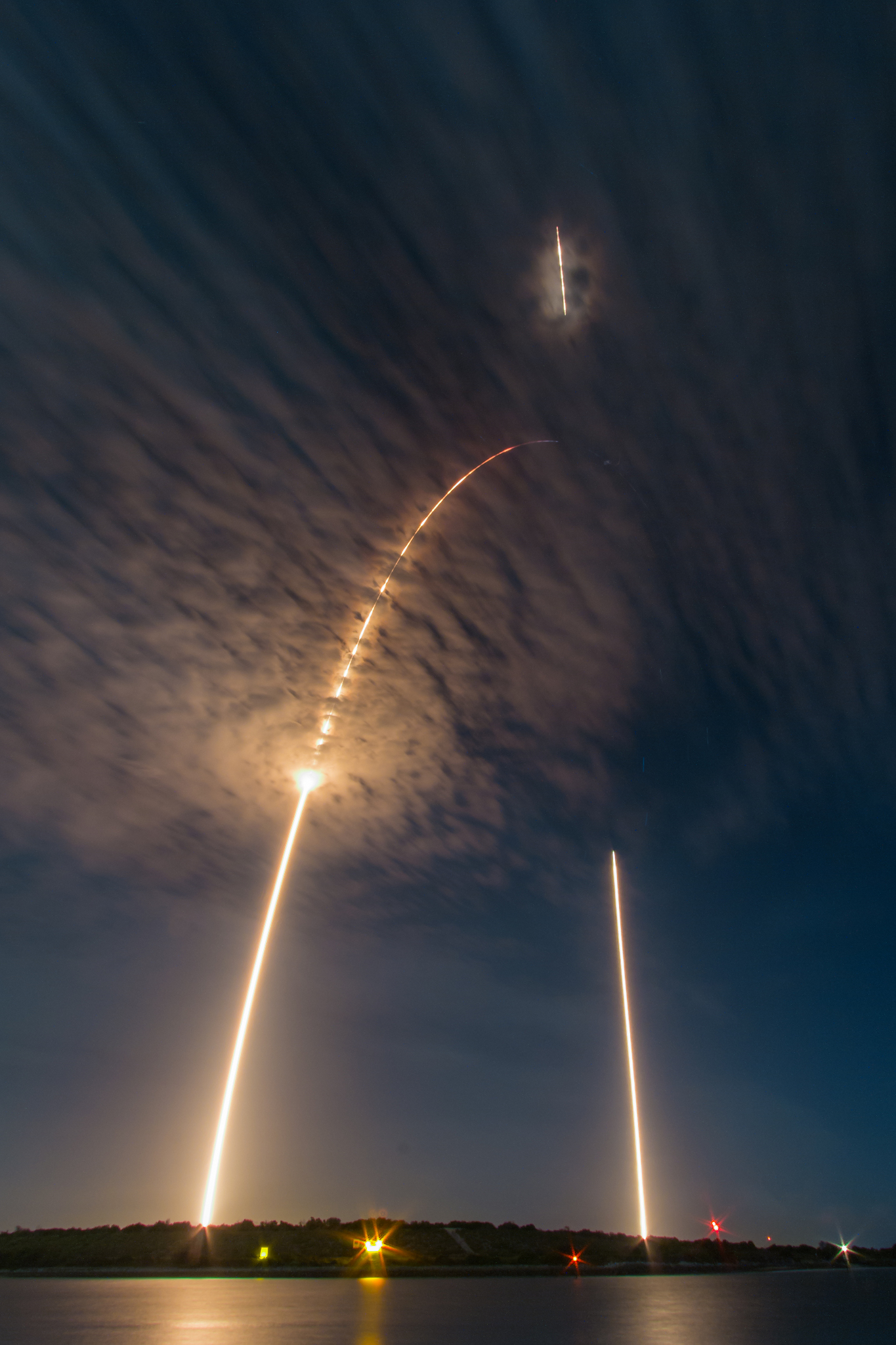
Astronomy picture of the day - 2016 July 21 - Falcon 9: Launch and Landing

See Explanation.  Clicking on the picture will download
 the highest resolution version available.
Falcon 9: Launch and Landing 
Image Credit & Copyright: Michael Seeley
Explanation: Shortly after midnight on July 18 a SpaceX Falcon 9 rocket launched from Space Launch Complex 40 at Cape Canaveral Air Force Station, Florida, planet Earth. About 9 minutes later, the rocket's first stage returned to the spaceport. This single time exposure captures the rocket's launch arc and landing streak from Jetty Park only a few miles away. Along a climbing, curving trajectory the launch is traced by the initial burn of the first stage, ending near the top of the bright arc before stage separation. Due to perspective the next bright burn appears above the top of the launch arc in the photo, the returning first stage descending closer to the Cape. The final landing burn creates a long streak as the first stage slows and comes to rest at Landing Zone 1. Yesterday the Dragon cargo spacecraft delivered to orbit by the rocket's second stage was attached to the International Space Station.
JoanMira at 7/21/2016 Aucun commentaire:
Partager

2016-07-20

Imagens do Mundo - Sitios lindos de Portugal - Dornes

Na rota dos Templarios fica esta aldeia construida sobre uma pequena peninsula formada pelo rio Zêzere. Magnificas paisagens naturais conservam vestigios das lutas medievais, como a torre templaria pentagonal e a igreja de Nossa Pranto.Senhora do Pranto.

JoanMira at 7/20/2016 Aucun commentaire:
Partager

Astronomy picture of the day - 2016 July 20 - Dark Dunes on Mars (Horizontally Compressed)

See Explanation.  Clicking on the picture will download
 the highest resolution version available.
Dark Dunes on Mars (Horizontally Compressed) 
Image Credit: NASA, JPL-Caltech, MSSS
Explanation: How does wind affect sand on Mars? To help find out if it differs significantly from Earth, the robotic Curiosity rover on Mars was directed to investigate the dark Namib Dune in the Bagnold Dune Field in Gale Crater. Namib is the first active sand dune investigated up close outside of planet Earth. Wind-created ripples on Earth-bound sand dunes appear similar to ripples on Mars, with one exception. The larger peaks visible on dark Namib dune, averaging about 3 meters apart, are of a type seen only underwater on Earth. They appear to arise on Mars because of the way the thin Martian wind drags dark sand particles. The featured image was taken last December and ishorizontally compressed to show context. In the distance, a normal dusty Martian landscape slopes up in light orange, while a rock-strewn landscape is visible on the far right. Curiosity unexpectedly went into safe mode in early July, but it was brought out last week and has now resumed exploring the once lake-filled interior of Gale Crater for further signs that it was once habitable by microbial life.
JoanMira at 7/20/2016 Aucun commentaire:
Partager

2016-07-18

Historia de Portugueses célebres - John Philip Sousa - Video - Music - Leonard Berstein


John Philip Sousa (Washington, 6 de novembro de 1854 — Reading, 6 de março de 1932) foi um compositor e maestro de banda norte-americano, do romantismo tardio, popularmente conhecido como O Rei das Marchas, como The Stars and Stripes Forever, marcha oficial dos Estados Unidos. A sua produção musical inclui cerca de 15 operetas e várias canções. Conhecido por ter idealizado e dado nome ao Sousafone.


O célebre compositor John Philip Sousa, autor do famoso "stars and stripes" nasceu nos Estados Unidos da América, terceiro de dez filhos e filhas de pai português de origem açoriana e mãe bávara,[1] de nome: João António de Sousa (John Anthony Sousa) (Sevilha, 22 de Setembro de 1824 - 27 de Abril de 1892) e Maria Elisabeth Trinkhaus (Darmstadt, 20 de Maio de 1826 - 25 de Agosto de 1908). Os seus pais eram descendentes de portugueses, espanhóis e hessianos (alemães); seus avós paternos eram portugueses e espanhois refugiados.[2]. Sousa iniciou a sua educação musical, tocando violino, como pupilo de João Esputa e G.F. Benkert de harmonia e composição musical com seis anos.

Com a sua própria banda, entre 1892-1931, realizou 15623 concertos..[3] Em 1900, a sua banda representa os Estados Unidos na Exposição Universal de Paris (1900).

Morreu de insuficiência cardíaca com 78 anos em 6 de março de 1932, no seu quarto no Hotel Abraham Lincoln, em Reading, Pensilvânia. Tinha conduzido um ensaio de "Stars and Stripes Forever". E ncontra-se sepultado em Washington, DC no Cemitério do Congresso.
JoanMira at 7/18/2016 Aucun commentaire:
Partager

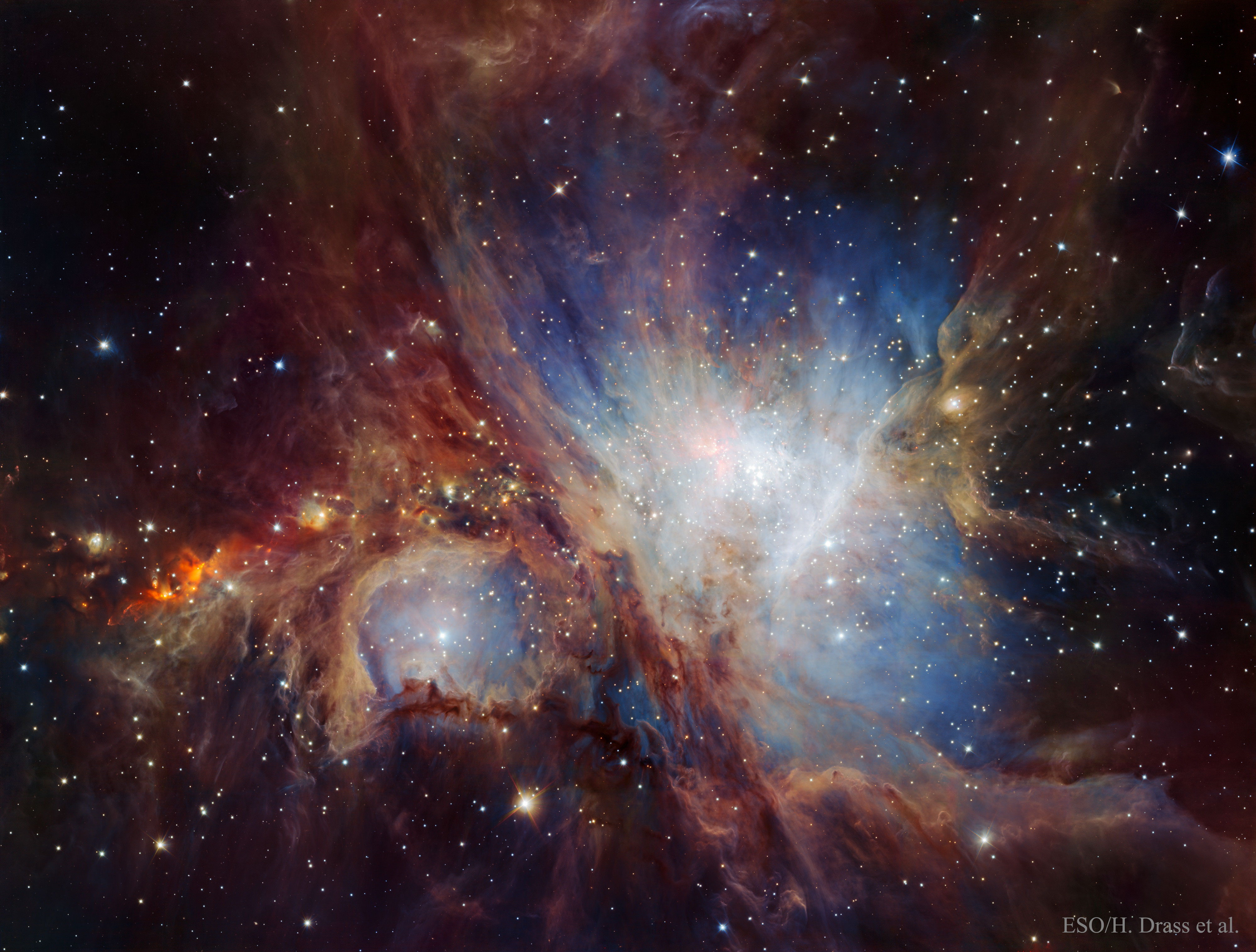
Astronomy picture of the day - 2016 July 18 - The Orion Nebula in Infrared from HAWK-I

See Explanation.  Clicking on the picture will download
 the highest resolution version available.
The Orion Nebula in Infrared from HAWK-I 
Image Credit: ESO, VLT, HAWK-I, H. Drass et al.
Explanation: The deepest infrared image of the Orion Nebula has uncovered a bonanza of previously unknown low-mass stars and -- quite possibly -- free floating planets. The picturesque nebula is best known in visible light where it shows a many bright stars and bright glowing gas. Catalogued as M42, the Orion Nebula at a distance of 1300 light years is the closest major star forming region to Earth. One can peer into Orion's pervasive dust in infrared light, as was done again recently with the sophisticated HAWK-I camera attached to one of the European Southern Observatory's Very Large Telescopes in the high mountains of Chile. High resolution versions of the featured infrared deep image show many points of light, many of which are surely brown dwarf stars but some of which are best fit by an unexpectedly high abundance of free-floating planets. Understanding how these low mass objects formed is important to understanding star formation generally and may even help humanity to better understand the early years of our Solar System.
JoanMira at 7/18/2016 Aucun commentaire:
Partager

2016-07-17

Astronomy picture of the day - 2016 July 17 - Mercury on the Horizon

See Explanation.  Clicking on the picture will download
 the highest resolution version available.
Mercury on the Horizon 
Image Credit & Copyright: Juan Carlos Casado
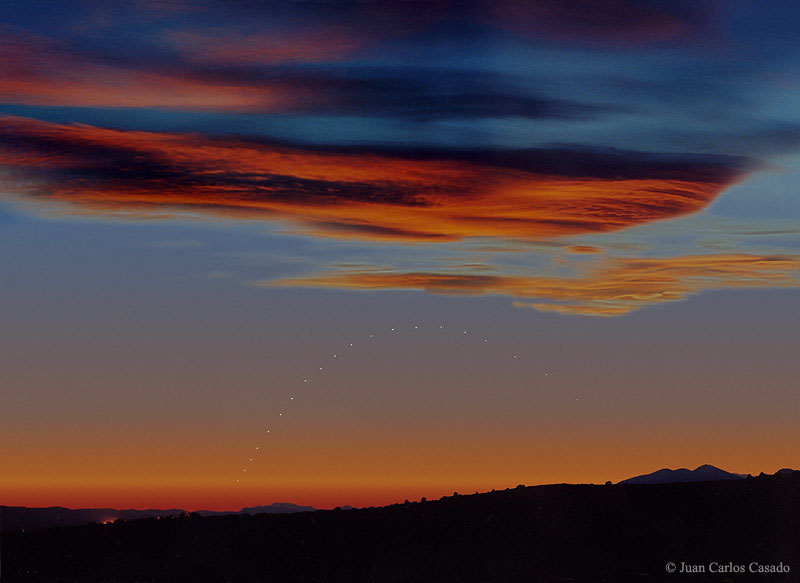
Explanation: Have you ever seen the planet Mercury? Because Mercury orbits so close to the Sun, it never wanders far from the Sun in Earth's sky. If trailing the Sun, Mercury will be visible low on the horizon for only a short whileafter sunset. If leading the Sun, Mercury will be visible only shortly before sunrise. So at certain times of the year, informed skygazers with a little determination can usually pick Mercury out from a site with an unobscured horizon. Above, a lot of determination has been combined with a little digital manipulation to show Mercury's successive positions during March of 2000. Each picture was taken from the same location in Spain when the Sun itself was 10 degrees below the horizon and superposed on the single most photogenic sunset. Currently, Mercury is rising higher above the horizon with each passing sunset, and just now is angularly very close to the brighter planet Venus.
JoanMira at 7/17/2016 Aucun commentaire:
Partager

2016-07-16

Astronomy picture of the day - 2016 July 15 - NGC 2736: The Pencil Nebula

See Explanation.  Clicking on the picture will download
 the highest resolution version available.
NGC 2736: The Pencil Nebula 
Image Credit & Copyright: Howard Hedlund & Dave Jurasevich, Las Campanas Obs.
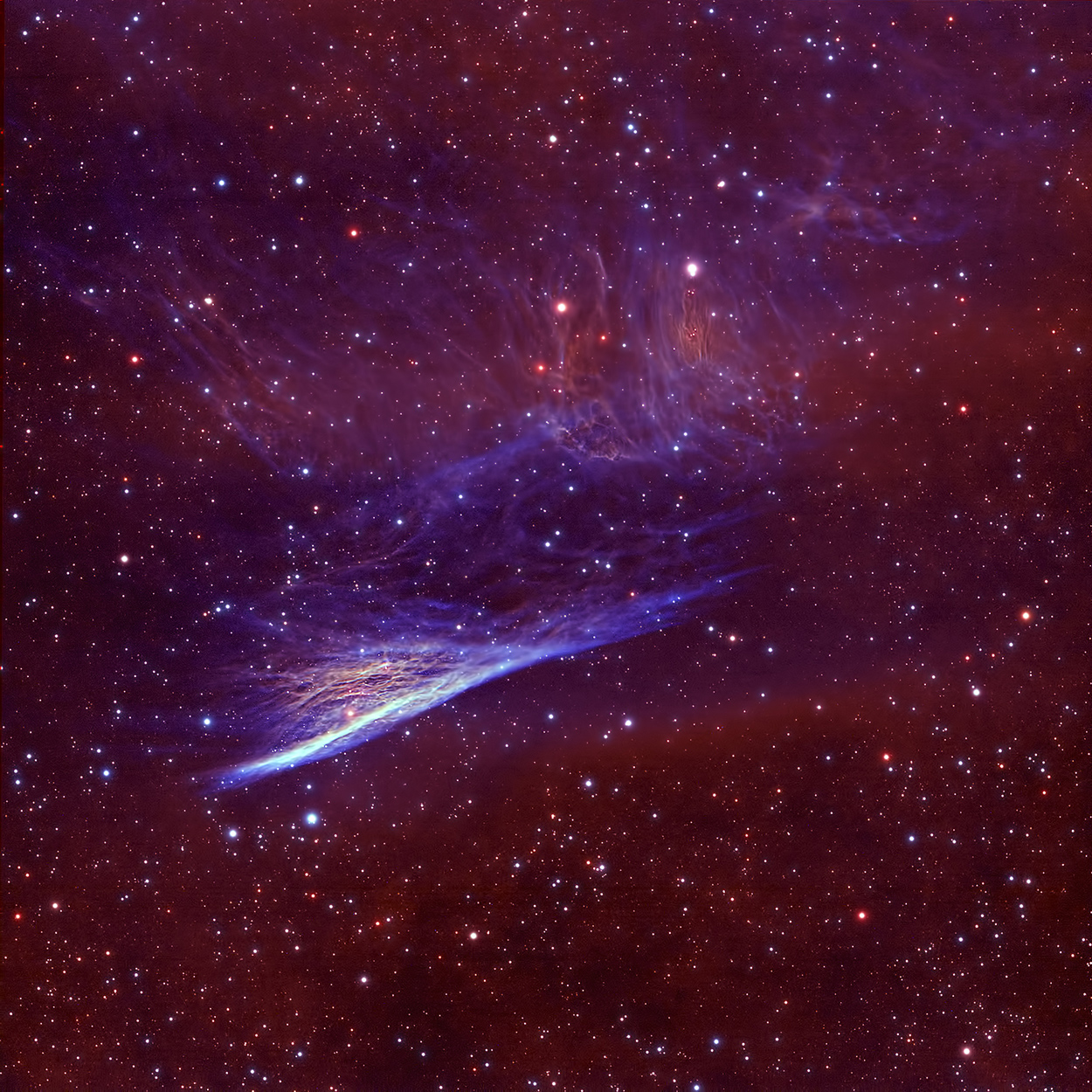
Explanation: Moving from top to bottom in the frame near the center of this sharply detailed color composite, thin, bright, braided filaments are actually long ripples in a cosmic sheet of glowing gas seen almost edge-on. The shock wave plows through interstellar space at over 500,000 kilometers per hour. Cataloged as NGC 2736, its elongated appearance suggests its popular name, the Pencil Nebula. The Pencil Nebula is about 5 light-years long and 800 light-years away, but represents only a small part of the Vela supernova remnant. The Vela remnant itself is around 100 light-years in diameter, the expanding debris cloud of a star that was seen to explode about 11,000 years ago. Initially, the shock wave was moving at millions of kilometers per hour but has slowed considerably, sweeping up surrounding interstellar material. In the narrowband, wide field image, red and blue-green colors track the characteristic glow ofionized hydrogen and oxygen atoms.
JoanMira at 7/16/2016 Aucun commentaire:
Partager
‹
›
Accueil
Afficher la version Web
Fourni par Blogger.