"Sei de uma camponesa"
2016-03-03

Astronomy picture of the day - 2016 March 3 - Moons and Jupiter
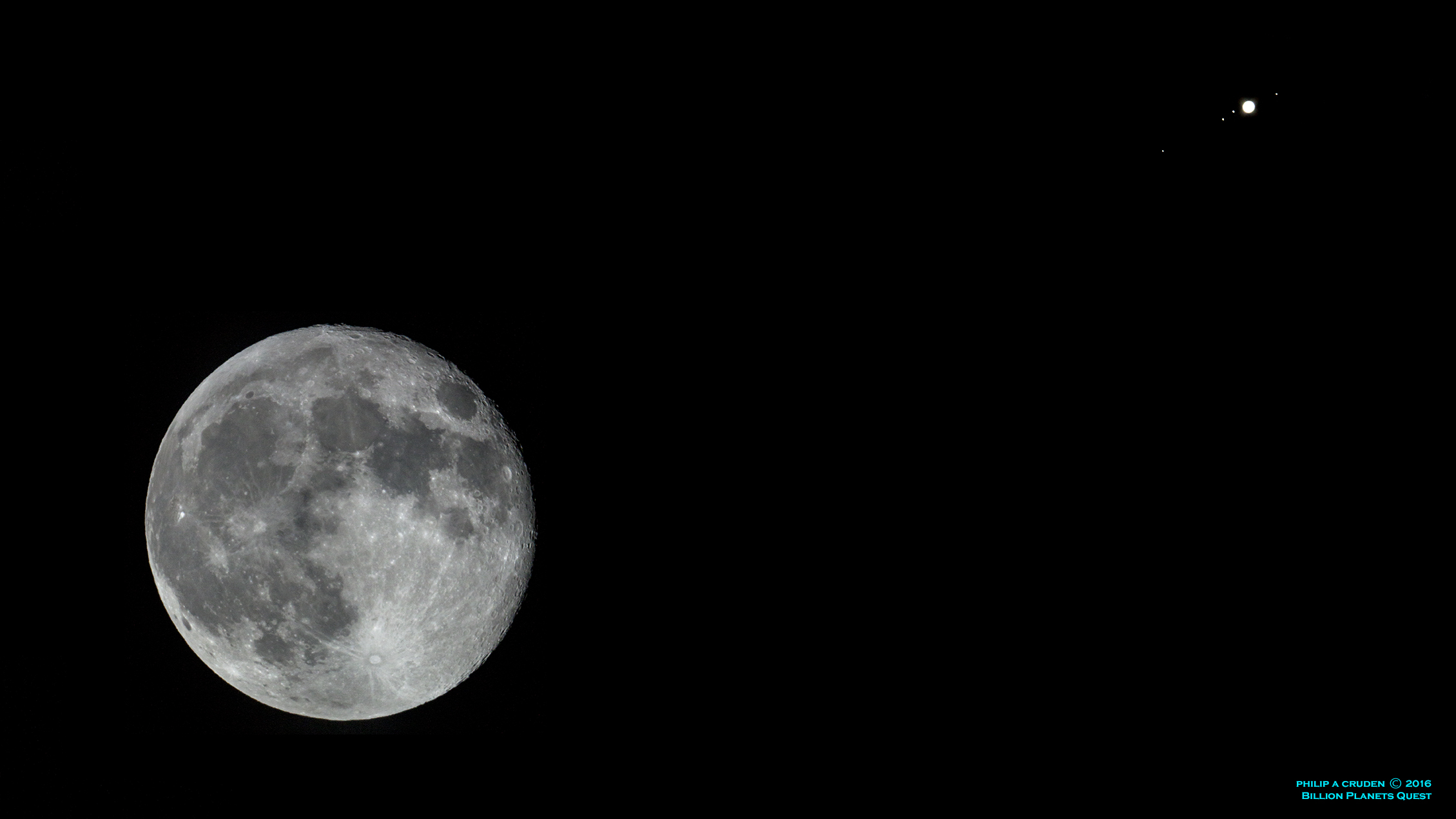
Image Credit & Copyright: Phillip A Cruden
Explanation: Some of the Solar System's largest moons rose together on February 23. On that night, a twilight pairing of a waning gibbous Moon and Jupiter was captured in this sharp telescopic field of view. The composite of short and long exposures reveals the familiar face of our fair planet's own large natural satellite, along with a line up of the ruling gas giant's four Galilean moons. Left to right, the tiny pinpricks of light are Callisto, Io, Ganymede, [Jupiter], andEuropa. Closer and brighter, our own natural satellite appears to loom large. But Callisto, Io, and Ganymede are actually larger than Earth's Moon, while water world Europa is only slightly smaller. In fact, of the Solar System's sixlargest planetary satellites, only Saturn's moon Titan is missing from the scene.
2016-03-02
Imagens do Mundo - Rio de Janeiro - Parte da Zona Sul fotografada da Vista Chinesa

Parte da Zona Sul fotografada da Vista Chinesa
O Globo - Brasil
Morreu Severino Filho, fundador de "Os Cariocas - "Samba do avião" - Video - Musica - Ao vivo
 RIO - O músico Severino Filho, do grupo de bossa nova Os Cariocas, morreu na manhã desta terça-feira. Severino, que fundou o grupo ao lado do irmão Ismel Netto, em 1942, é pai da atriz Lúcia Veríssimo e tinha 88 anos. Internado desde o dia 18 de janeiro com um quadro de trombose pulmonar no Hospital Quinta D'Or, o músico sofreu uma parada cardiorrespiratória.
O Globo - Brasil
Leia mais sobre esse assunto em http://oglobo.globo.com/cultura/musica/morre-severino-filho-do-grupo-os-cariocas-aos-88-anos-18780565#ixzz41k3Z6WMb

"Samba do avião"
Astronomy picture of the day - 2016 March 2 - Unusual Clouds over Hong Kong
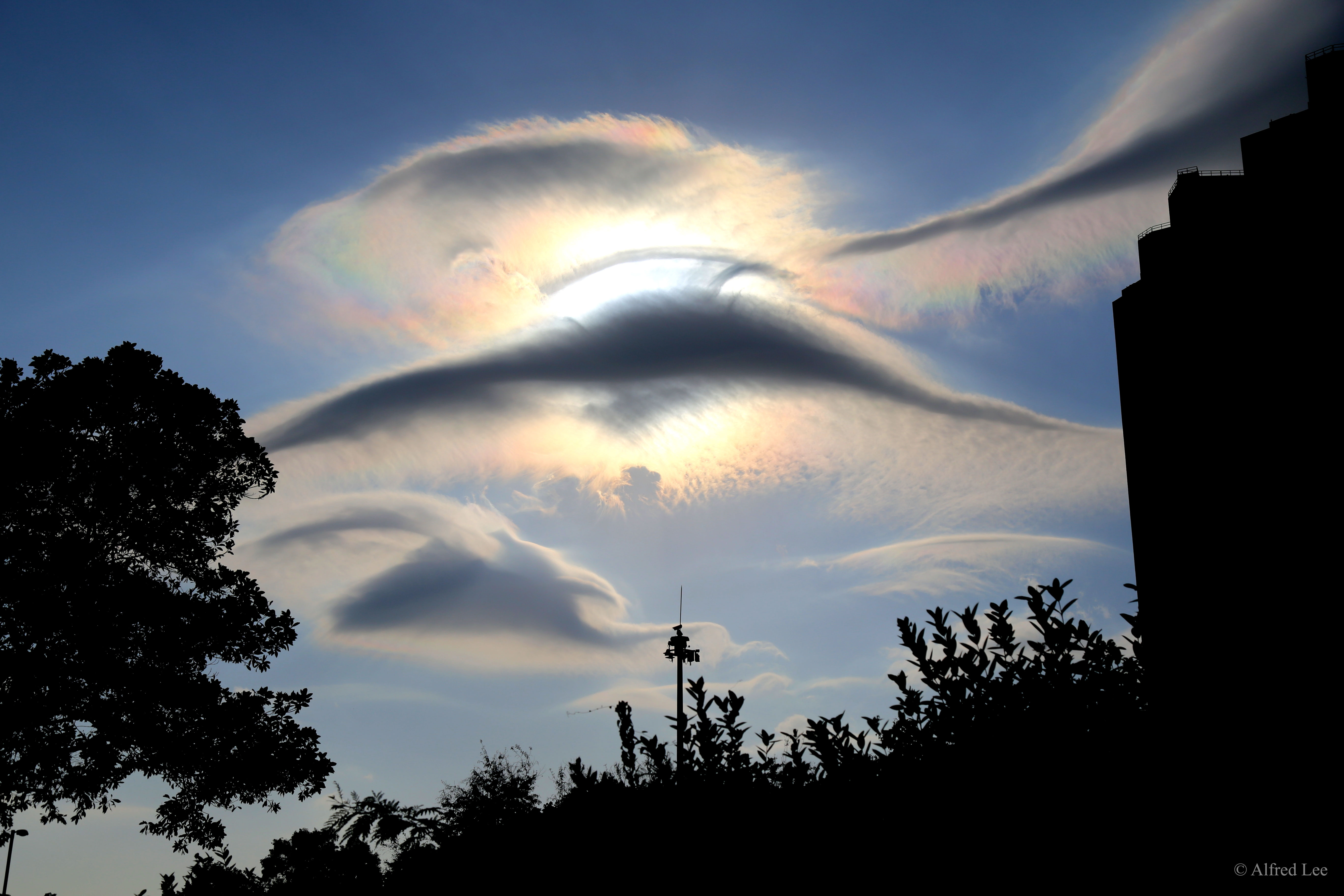
Image Credit & Copyright: Alfred Lee
Explanation: What's that in the sky? Earlier this month, in the sky high above Hong Kong, China, not just one unusual type of cloud appeared -- but two. In the foreground was a long lenticular cloud, a cloud that forms near mountains from uprising air and might appear to some as an alien spaceship. Higher in the sky, and further in the background, was a colorful iridescent cloud. Iridescent clouds are composed of water droplets of similar size that diffract different colors of sunlight by different amounts. Furthest in the background is the Sun, blocked from direct view by the opaque lenticular, but providing the light for the colors of the iridescent. Either type of cloud is unusual to see in Hong Kong, and unfortunately, after only a few minutes, both were gone.
2016-03-01
Astronomy picture of the day - 2016 March 1 - NGC 3310: A Starburst Spiral Galaxy
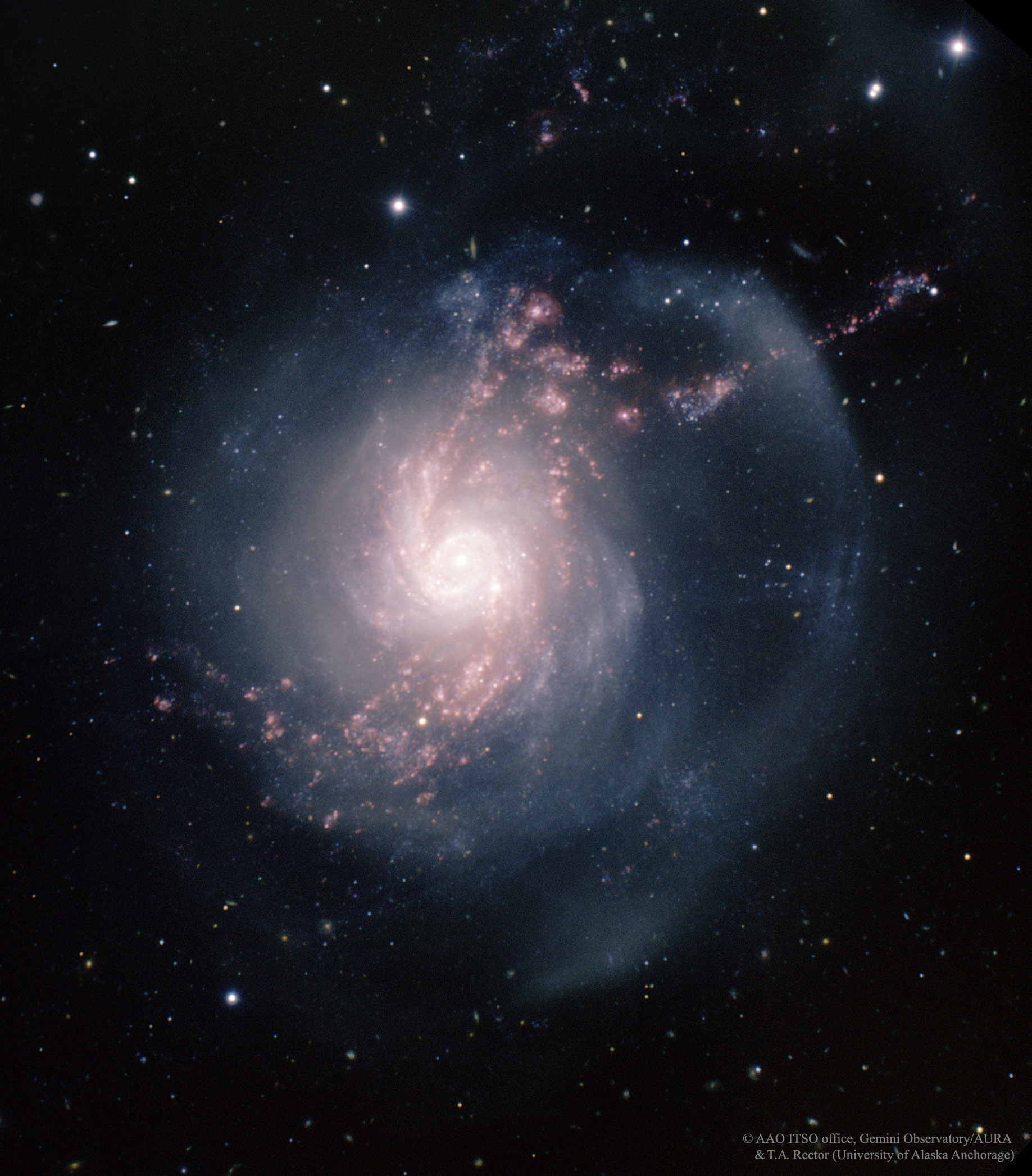
Image Credit & Copyright: AAO ITSO Office, Gemini Obs./AURA & T. A. Rector (U. Alaska Anchorage)
Explanation: The party is still going on in spiral galaxy NGC 3310. Roughly 100 million years ago, NGC 3310 likely collided with a smaller galaxy causing the large spiral galaxy to light up with a tremendous burst of star formation. The changing gravity during the collision created density waves that compressed existing clouds of gas and triggered the star-forming party. The featured image from the Gemini North Telescope shows the galaxy in great detail, color-coded so that pink highlights gas while white and blue highlight stars. Some of the star clusters in the galaxy are quite young, indicating that starburst galaxies may remain in star-burst mode for quite some time. NGC 3310 spans about 50,000 light years, lies about 50 million light years away, and is visible with a small telescope towards the constellation of Ursa Major.
2016-02-29
Cura do Cancro: as boas noticias continuam
Qualquer avanço na área do tratamento do cancro é recebido como uma boa notícia. Os resultados do ensaio clínico conduzido por Stanley Ridel, investigador no Centro Fred Hutchinson de Investigação em Cancro (Estados Unidos), não foram exceção. Embora considerem que esta investigação vem reforçar a importância da imunoterapia, os cientistas portugueses entrevistados pelo Observador referem que a técnica não é nova. Os investigadores não duvidam que os resultados sejam promissores, mas lembram que esta ainda é uma fase inicial dos ensaios clínicos.
“Do ponto de vista da eficácia terapêutica em leucemia linfoblástica aguda [LLA] avançada pode dizer-se que [a técnica] é revolucionária: 94% de remissões completas seriam impossíveis com qualquer outro tratamento disponível”, disse ao Observador Bruno Silva Santos, vice-diretor do Instituto de Medicina Molecular (IMM) da Universidade de Lisboa. Mas o investigador, que também faz investigação em imunoterapia, disse que, em termos conceptuais, a técnica não é novidade e já se sabia que podia “ser aplicável a tumores de linfócitos B [células B do sistema imunitário], como é o caso dos doentes de LLA ou de certos casos de linfoma”.
Ler mais em:
http://observador.pt/especiais/cancro-as-ultimas-descobertas-valem-mesmo-tanta-euforia/
Observador - Portugal


Astronomy picture of the day - 2016 February 29 - Julius Caesar and Leap Days
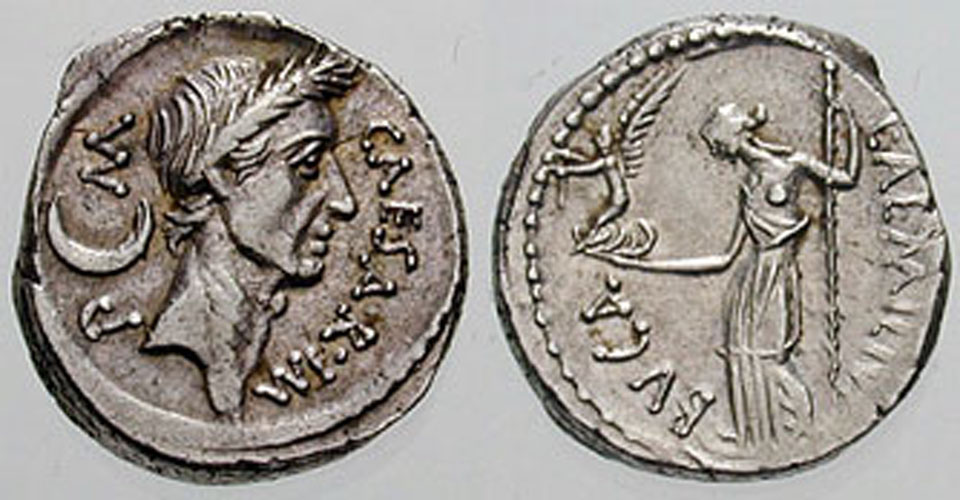
Image Credit: Classical Numismatic Group, Inc., Wikimedia

Explanation: Today, February 29th, is a leap day - a relatively rare occurrence. In 46 BC, Julius Caesar, featured here in a self-decreed minted coin, created a calendar system that added one leap day every four years. Acting on advice by Alexandrian astronomer Sosigenes, Caesar did this to make up for the fact that the Earth's year is slightly more than 365 days. In modern terms, the time it takes for the Earth to circle the Sun is slightly more than the time it takes for the Earth to rotate 365 times (with respect to the Sun -- actually we now know this takes about 365.24219 rotations). So, if calendar years contained 365 days they would drift from the actual year by about 1 day every 4 years. Eventually July (named posthumously for Julius Caesar himself) would occur during the northern hemisphere winter! By adopting a leap year with an extra day every four years, the calendar year would drift much less. This Julian Calendar system was used until the year 1582 when Pope Gregory XIII provided further fine-tuning when he added that leap days should not occur in years ending in "00", unless divisible by 400. This Gregorian Calendar system is the one in common use today.
Inscription à :
Articles (Atom)