2017-01-26

Fotografia - Lisboa noturna - Praça do Rossio, Lisboa

18_Estudio_Horacio_Novais_Praca_do_Rossio_3_Lisboa_sem_data_18.jpg
Estúdio Horácio Novais, Praça do Rossio, Lisboa, sem data Colecções da Fundação Calouste Gulbenkian, Lisboa, Portugal (Flickr Commons)

Astronomy picture of the day - 2017 January 26 - GOES-16: Moon over Planet Earth

See Explanation.  Clicking on the picture will download
 the highest resolution version available.
GOES-16: Moon over Planet Earth 
Image Credit: NOAANASA
Explanation: Launched last November 19 from Cape Canaveral Air Force Station, the satellite now known as GOES-16 can now observe planet Earth from a geostationary orbit 22,300 miles above the equator. Its Advanced Baseline Imager captured this contrasting view of Earth and a gibbous Moon on January 15. The stark and airless Moon is not really the focus of GOES-16, though. Capable of providing a high resolution full disk image of Earth every 15 minutes in 16 spectral channels, the new generation satellite's instrumentation is geared to provide sharper, more detailed views of Earth's dynamic weather systems and enable more accurate weather forecasting. Like previous GOES weather satellites, GOES-16 will use the moon over our fair planet as a calibration target.

2017-01-25

Expressões populares portuguesas - Lagrimas de crocodilo

Afficher l'image d'origine
Significado: 

Choro fingido. 

Origem: 

O crocodilo, quando ingere um alimento, faz forte pressão contra o céu da boca, comprimindo as glândulas lacrimais. Assim, ele chora enquanto devora a vítima.

Fotografia - Lisboa noturna - Avenida Almirante Reis

19_Estudio_mario_Novais_avenida_almirante_reis_2_sem_data_19.jpg
Estúdio Mário Novais, Avenida Almirante Reis, Lisboa, sem data Colecções daFundação Calouste Gulbenkian, Lisboa, Portugal (Flickr Commons)

Astronomy picture of the day - 2017 January 25 - Cassini's Grand Finale Tour at Saturn

See Explanation.  Clicking on the picture will download
 the highest resolution version available.
Cassini's Grand Finale Tour at Saturn 
Image Credit: NASAJPL-Caltech
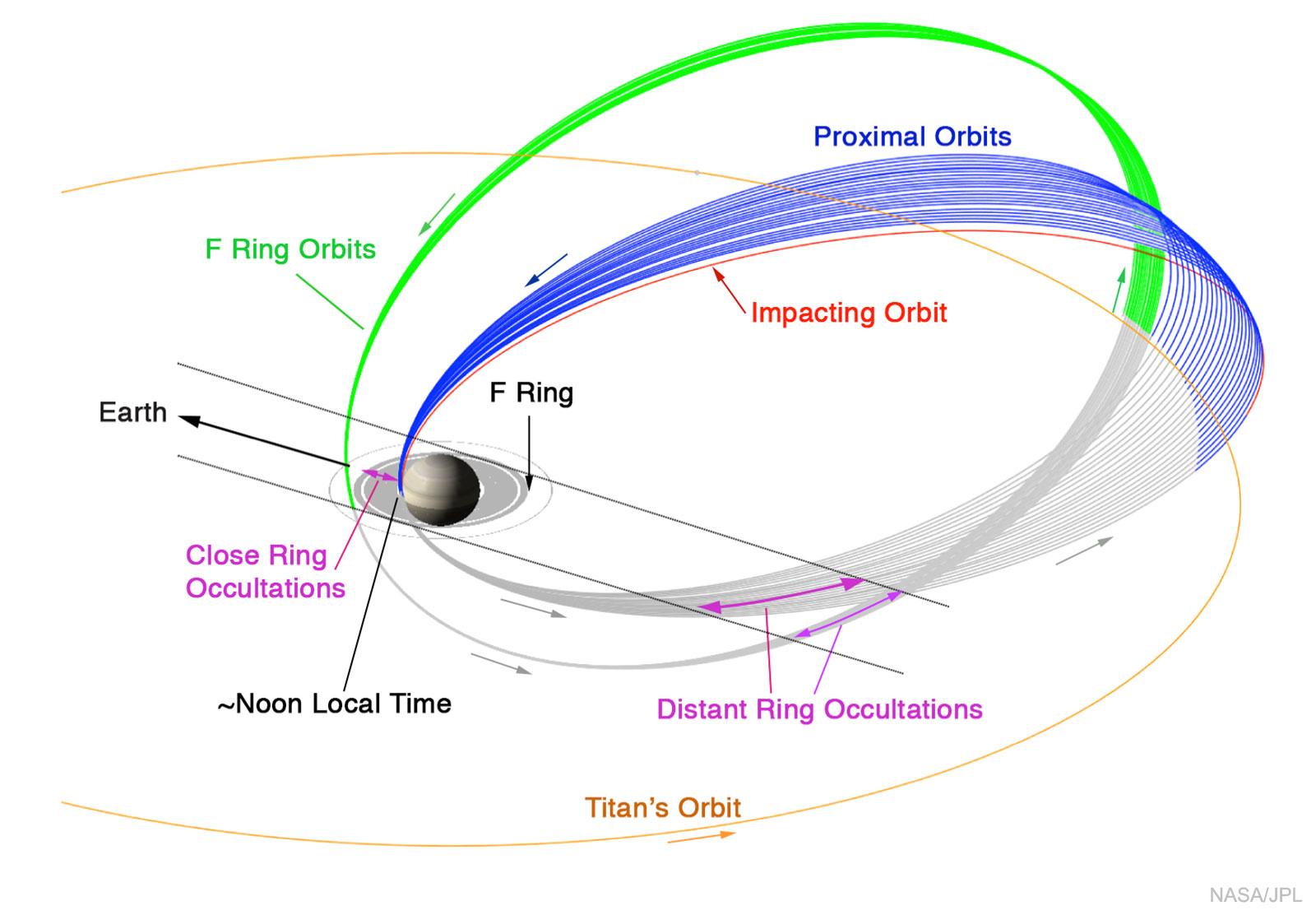
Explanation: Cassini is being prepared to dive into Saturn. The robotic spacecraft that has been orbiting and exploring Saturn for over a decade will end its mission in September with a spectacular atmospheric plunge. Pictured here is a diagram of Cassini's remaining orbits, each taking about one week. Cassini is scheduled to complete a few months of orbits that will take it just outside Saturn's outermost ring F. Then, in April, Titan will give Cassini a gravitational pull into Proximal orbits, the last of which, on September 15, will impact Saturn and cause the spacecraft to implode and melt. Cassini's Grand Finale orbits are designed to record data and first-ever views from inside the rings -- between the rings and planet -- as well as some small moons interspersed in the rings. Cassini's demise is designed to protect any life that may occur around Saturn or its moons from contamination by Cassini itself.

2017-01-24

Expressões populares portuguesas - Não poder com uma gata pelo rabo

Afficher l'image d'origine
Significado: 

Ser ou estar muito fraco; estar sem recursos. 

Origem: 

O feminino, neste caso, tem o objectivo de humilhar o impotente ou fraco a que se dirige a referência. Supõe-se que a gata é mais fraca, menos veloz e menos feroz em sua própria defesa do que o gato. Na realidade, não é fácil segurar uma gata pelo rabo, e não deveria ser tão humilhante a expressão como realmente é.

Astronomy picture of the day - 2017 January 24 - M78 and Orion Dust Reflections

See Explanation.  Clicking on the picture will download
 the highest resolution version available.
M78 and Orion Dust Reflections 
Image Credit & Copyright: Marco Burali, Tiziano Capecchi, Marco Mancini (MTM observatory, Italy)
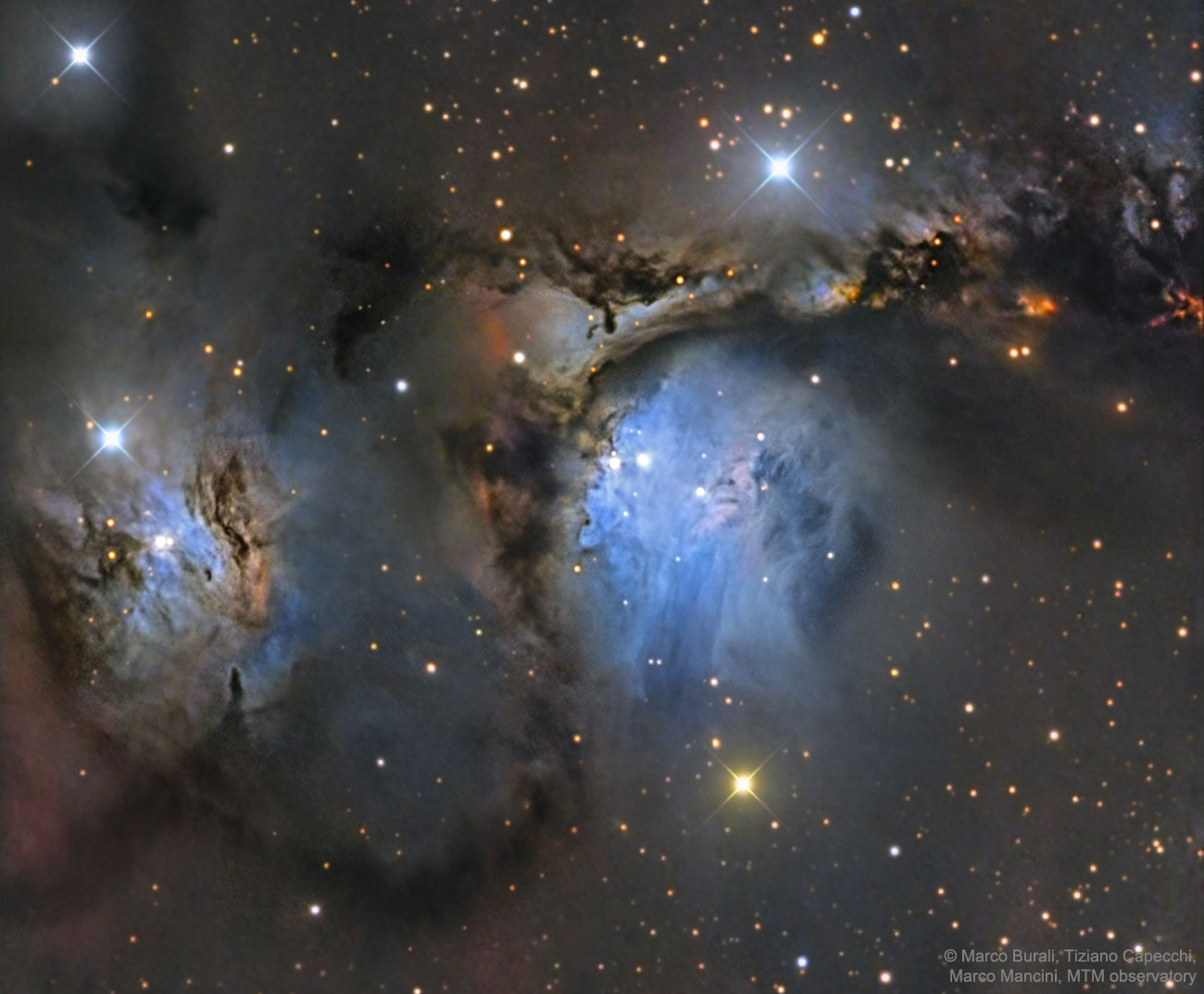
Explanation: In the vast Orion Molecular Cloud complex, several bright blue nebulas are particularly apparent. Pictured here are two of the most prominent reflection nebulas - dust clouds lit by the reflecting light of bright embeddedstars. The more famous nebula is M78, in the image center, cataloged over 200 years ago. To its left is the lesser known NGC 2071. Astronomers continue to study these reflection nebulas to better understand how interior stars form. The Orion complex lies about 1500 light-years distant, contains the Orion and Horsehead nebulas, and covers much of the constellation of Orion.

2017-01-23

Expressões populares portuguesas - Mal e porcamente

Afficher l'image d'origineSignificado: 

Muito mal; de modo muito imperfeito. 

Origem: 

«Inicialmente, a expressão era "mal e parcamente". Quem fazia alguma coisa assim, agia mal e eficientemente, com parcos (poucos) recursos. Como parcamente não era palavra de amplo conhecimento, o uso popular tratou de substituí-la por outra, parecida, bastante conhecida e adequada ao que se pretendia dizer. E ficou " mal e porcamente", sob protesto suíno.»(1) (1) in A Casa da Mãe Joana, de Reinaldo Pimenta, vol. 1 (Editora Campus, Rio de Janeiro)

Grupo Musical Raizes do Alentejo - "Trigueira alentejana" - Slides - Musica

Costa em Hotel Monte das Buganvilias-Zambujeira do Mar
"Trigueira alentejana"

Astronomy picture of the day - 2017 January 23 - Winter Hexagon over Manla Reservoir

See Explanation.
Moving the cursor over the image will bring up an annotated version.
Clicking on the image will bring up the highest resolution version
available.
Winter Hexagon over Manla Reservoir 
Image Credit & Copyright: Jeff Dai (TWAN)
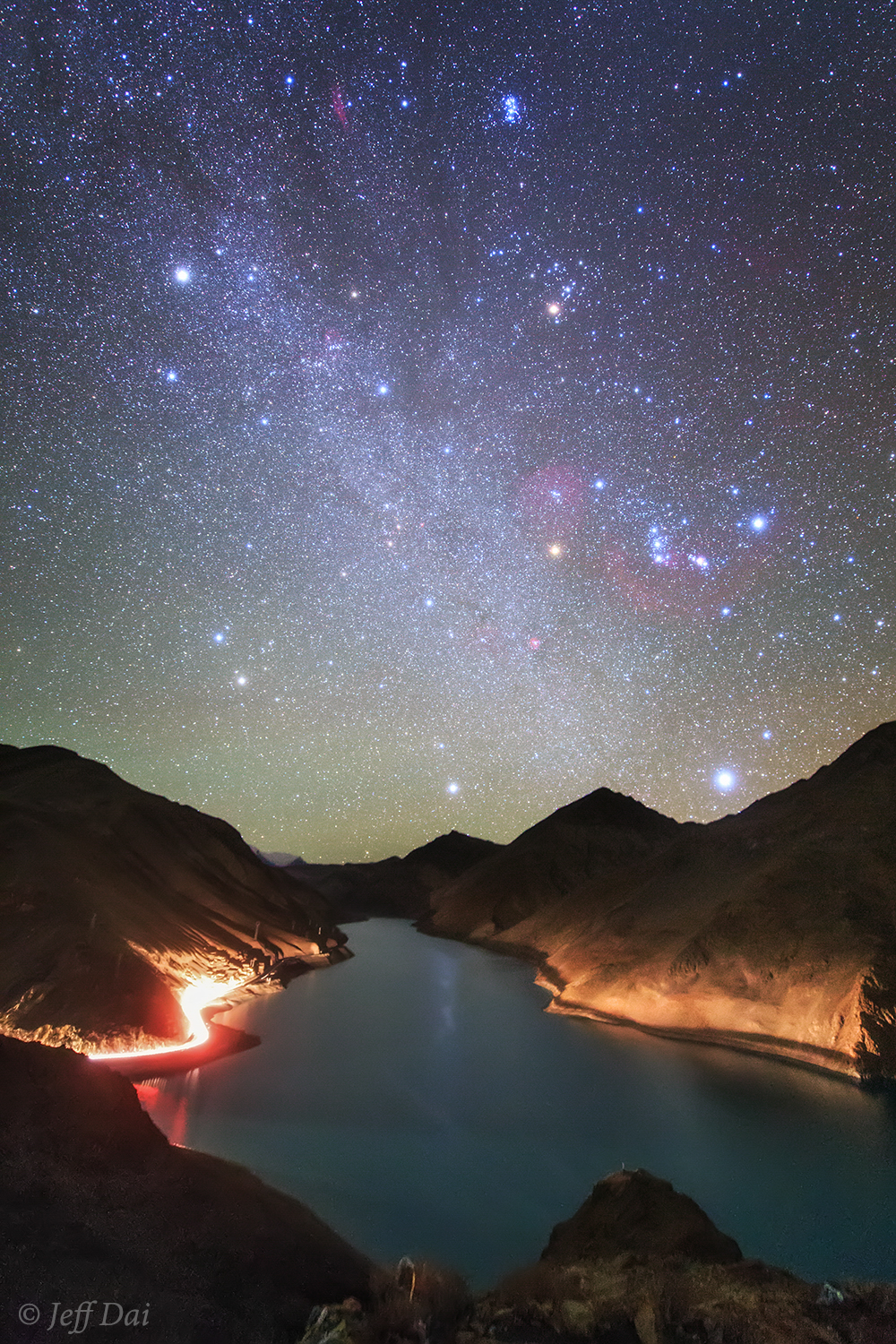
Explanation: If you can find Orion, you might be able to find the Winter Hexagon. The Winter Hexagon involves some of the brightest stars visible, together forming a large and easily found pattern in the winter sky of Earth's northern hemisphere. The stars involved can usually be identified even in the bright night skies of a big city, although here they appeared recently in dark skies above the Manla Reservoir in TibetChina. The six stars that compose the Winter Hexagon are AldebaranCapellaCastor (and Pollux), ProcyonRigel, and Sirius. Here, the band of our Milky Way Galaxy runs through the center of the Winter Hexagon, while the Pleiades open star cluster is visible just above. TheWinter Hexagon asterism engulfs several constellations including much of the iconic steppingstone Orion.