Christoph Niemann é um artista alemão que leva até às últimas consequências as palavras de Lev Tolstoy: “em arte, tudo está naquele nada “. O autor de 45 anos cria ilustrações utilizando objetos do quotidiano para completar ou enriquecer o seu trabalho.
2015-03-09
Aconteceu... a 9 de março: Partida de Pedro Alvares Cabral para a India
A 9 de Março de 1500, parte, de Lisboa,
com destino à Índia, uma frota comandada
por Pedro Álvares Cabral. A rota mais
alargada que efectuaram acaba por levar à
descoberta (achamento) do Brasil.
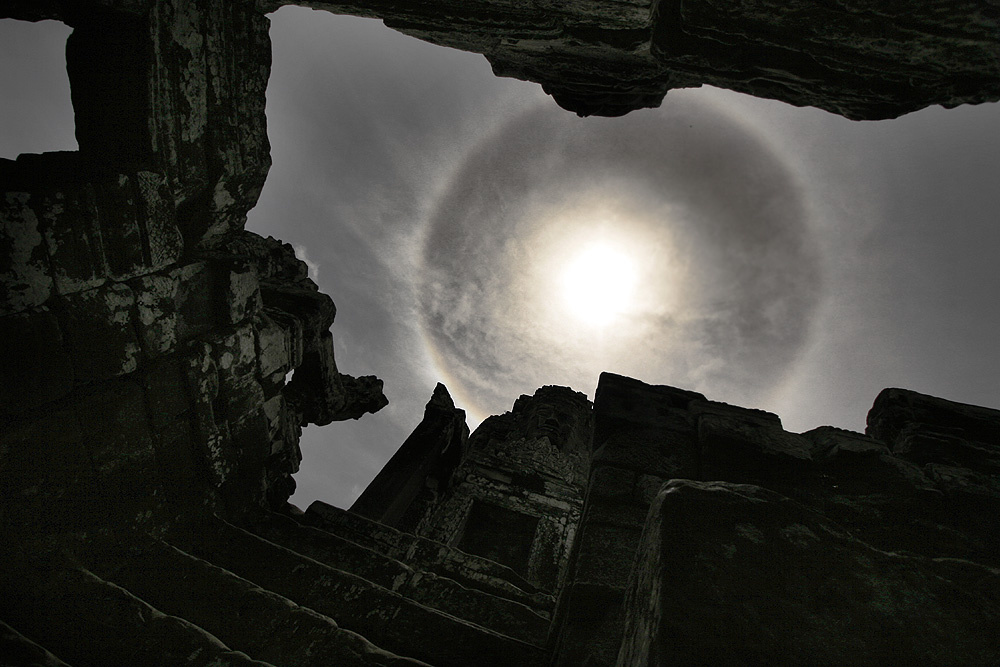
Astronomy picture of the day - 09-03-2015 - A Sun Halo Over Cambodia
Credit & Copyright: Nagy Attila
2015-03-08
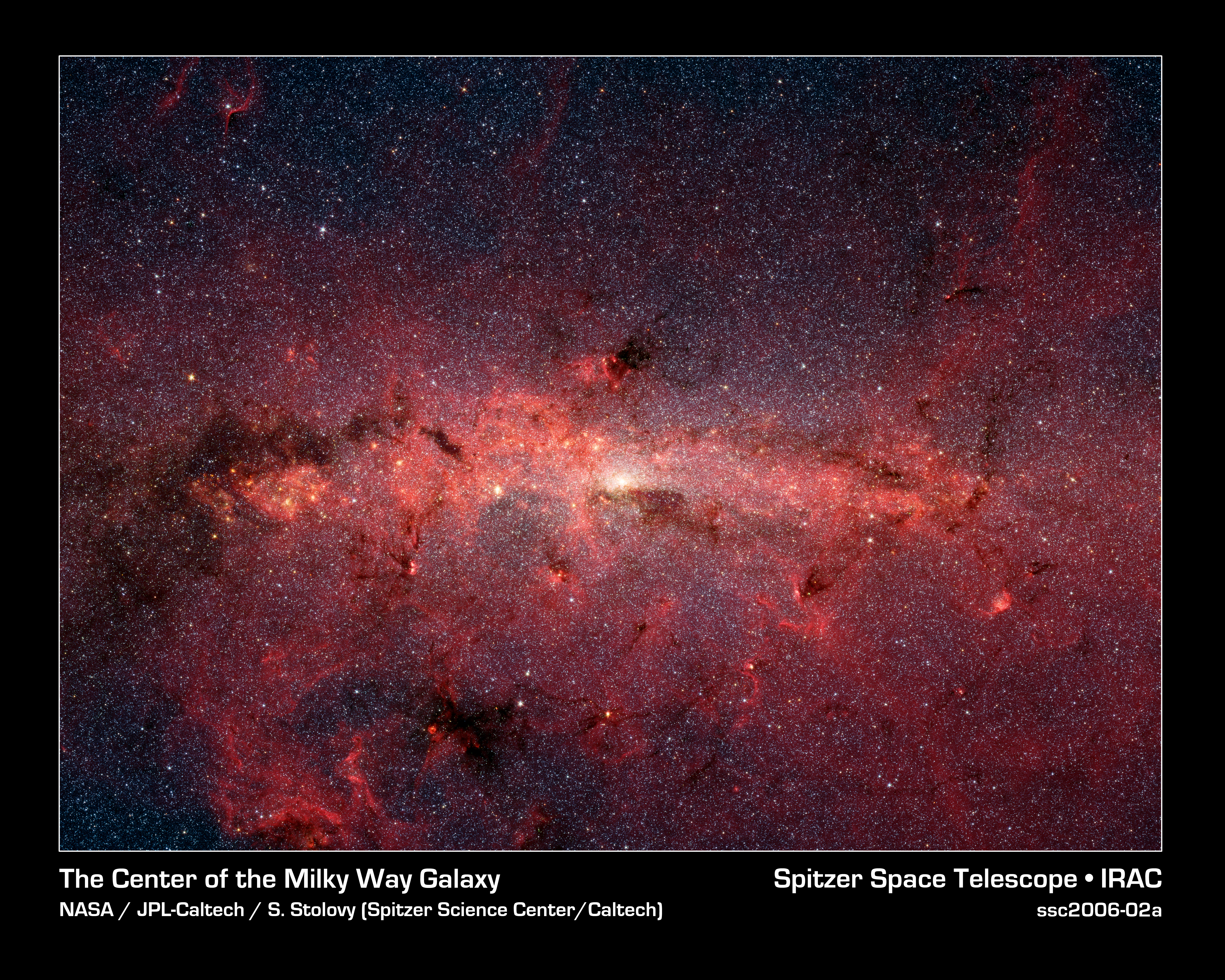
Astronomy picture of the day - 08-03-2015 - Stars at the Galactic Center
Image Credit: Susan Stolovy (SSC/Caltech) et al., JPL-Caltech, NASA
Explanation: The center of our Milky Way Galaxy is hidden from the prying eyes of optical telescopes by clouds of obscuring dust and gas. But in this stunning vista, the Spitzer Space Telescope's infrared cameras, penetrate much of the dust revealing the stars of the crowded galactic center region. A mosaic of many smaller snapshots, the detailed, false-color image shows older, cool stars in bluish hues. Reddish glowing dust clouds are associated with young, hot stars in stellar nurseries. The very center of the Milky Way was only recently found capable of forming newborn stars. The galactic center lies some 26,000 light-years away, toward the constellation Sagittarius. At that distance, this picture spans about 900 light-years.
2015-03-07
Astronomy picture of the day - 07-03-2015 - NGC 602 in the Flying Lizard Nebula
Image Credit & Copyright: Don Goldman
Explanation: Near the outskirts of the Small Magellanic Cloud, a satellite galaxy some 200 thousand light-years distant, lies 5 million year young star cluster NGC 602. Surrounded by natal gas and dust, NGC 602 is just below center in this telescopic field of view with the angular size of the Full Moon on the sky. The cluster itself is about 200 light-years in diameter. Glowing interior ridges and swept back shapes strongly suggest that energetic radiation and shock waves from NGC 602's massive young stars have eroded the dusty material and triggered a progression of star formation moving away from the cluster's center. Of course, the more extended wings of emission in the region suggest a popular name for the complex cosmic environment, The Flying Lizard Nebula.
Inscription à :
Commentaires (Atom)