2015-09-25
2015-09-24
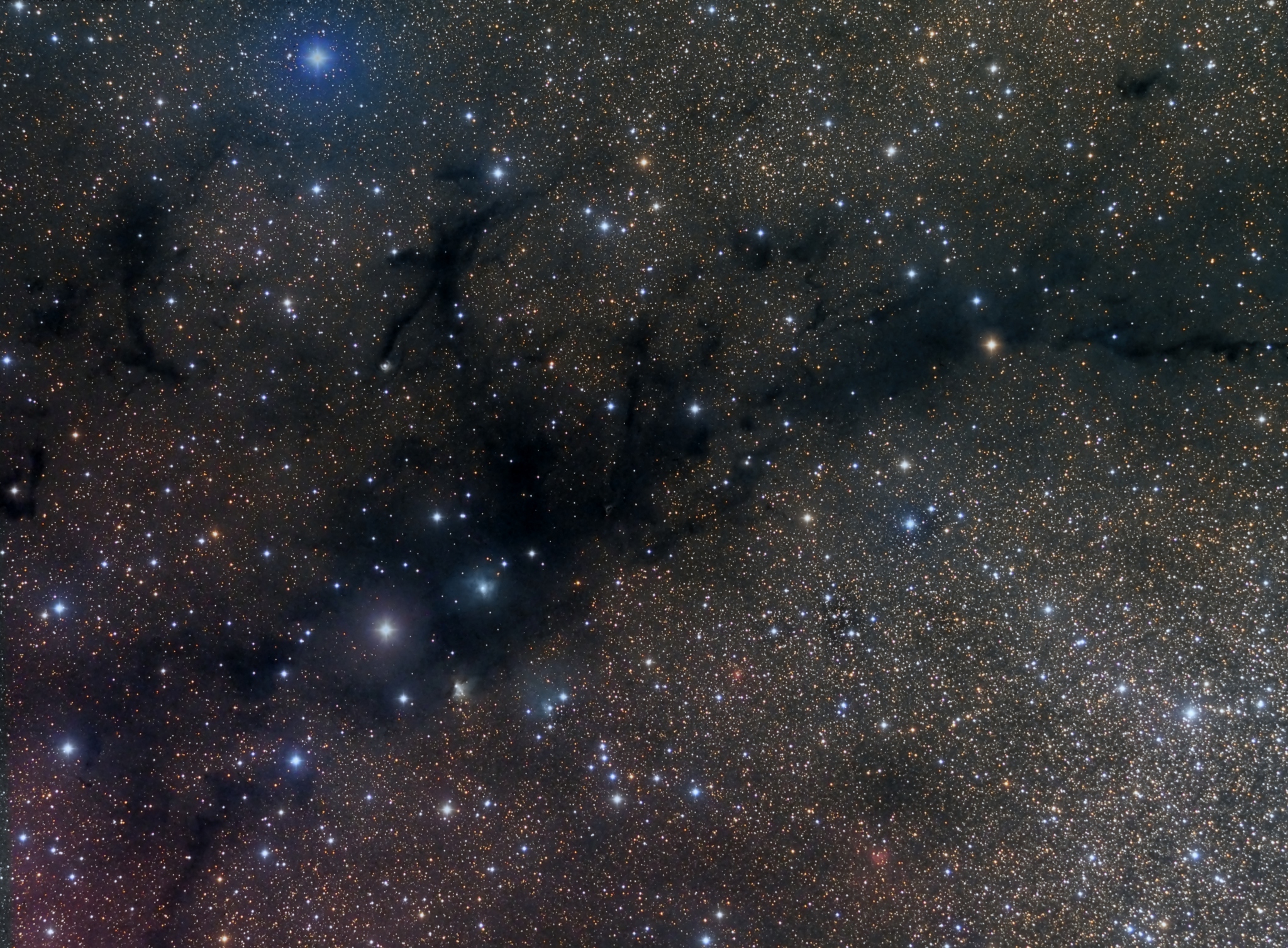
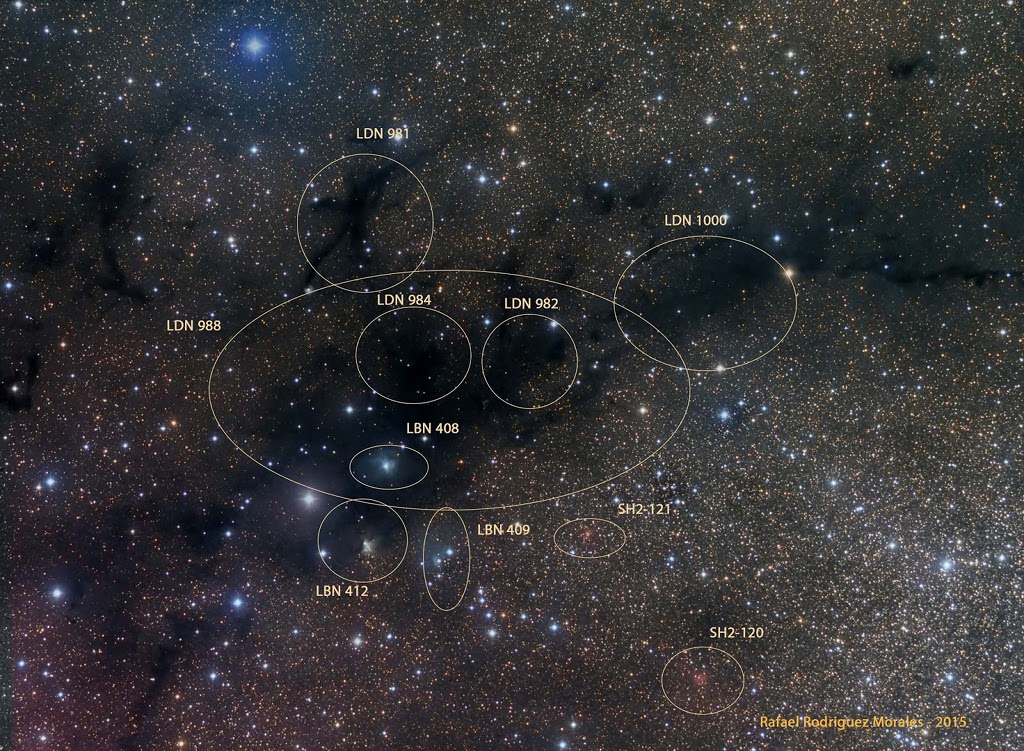
Astronomy picture of the day - 2015 September 24 - LDN 988 and Friends
Image Credit & Copyright: Rafael Rodríguez Morales
Explanation: Stars are forming in dark, dusty molecular cloud LDN 988. Seen near picture center some 2,000 light-years distant, LDN 988 and other nearby dark nebulae were cataloged by Beverly T. Lynds in 1962 using Palomar Observatory Sky Survey plates. Narrowband and near-infrared explorations of the dark nebula reveal energetic shocks and outflows light-years across associated with dozens of newborn stars. But in this sharp optical telescopic view, the irregular outlines of LDN 988 and friends look like dancing stick figures eclipsing the rich starfields of the constellation Cygnus. From dark sky sites the region can be identified by eye alone. It's part of the Great Rift of dark nebulae along the plane of the Milky Way galaxy known as the Northern Coalsack.
2015-09-23
Conhece todos os miradouros em Lisboa?... Miradouro da Calçada de Santo Amaro
Hidden on Calçada de Santo Amaro, a small chapel dating from 1549 offers a beautiful little-known terrace. Usually deserted, it has a view towards 25 de Abril Bridge and over the river.
Escondida na Calçada de Santo Amaro, uma pequena capela fundada em 1549 oferece um belo miradouro muito pouco conhecido. Quase sempre deserto, tem uma vista privilegiada sobre o rio e da Ponte 25 de Abril.
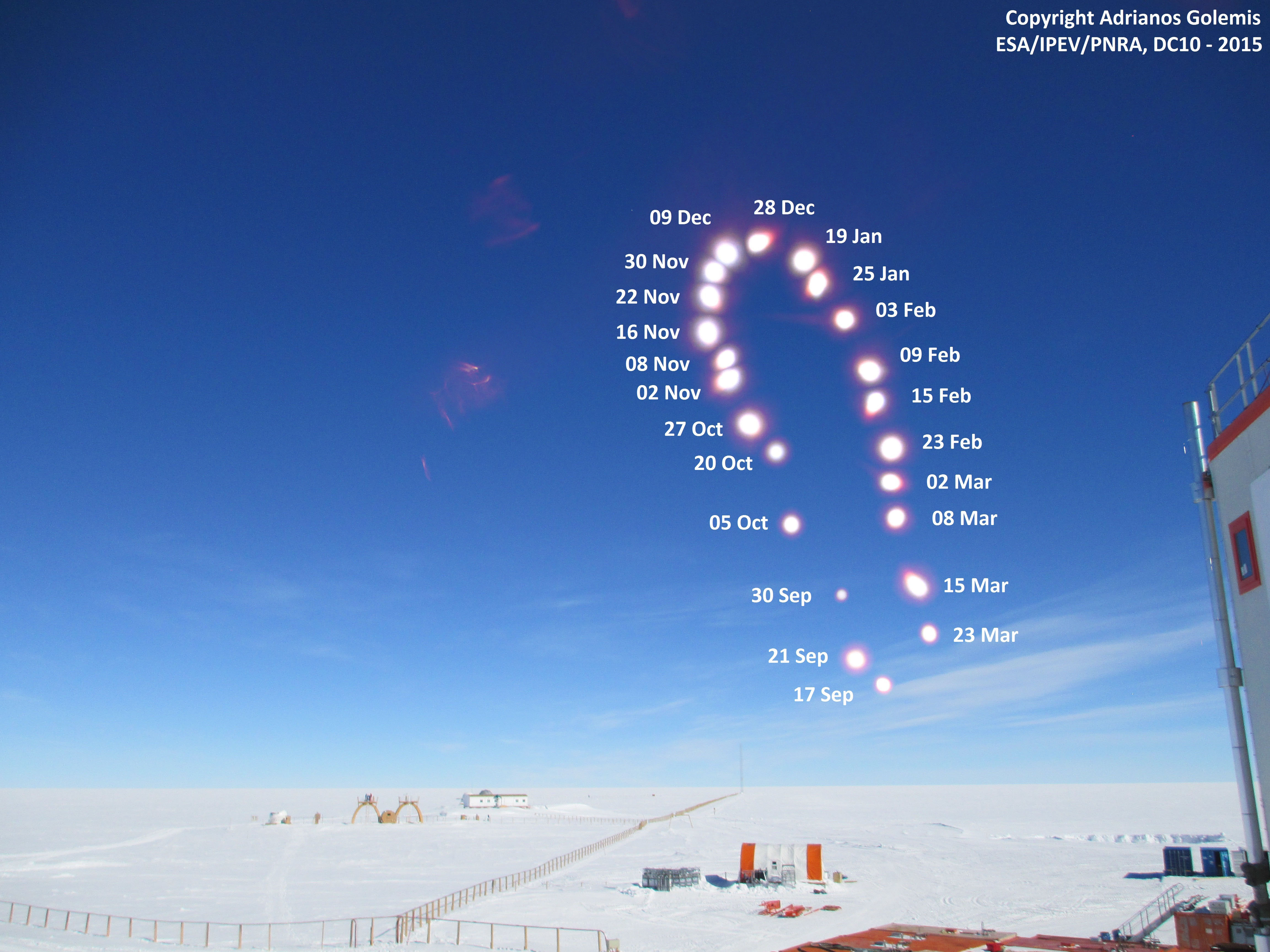
Astronomy picture of the day - 2015 September 23 - Antarctic Analemma
Image Credit & Copyright: Adrianos Golemis
Explanation: Does the Sun return to the same spot on the sky every day? No. A better and more visual answer to that question is an analemma, a composite image taken from the same spot at the same time over the course of a year. The featured weekly analemma was taken despite cold temperatures and high winds near the Concordia Station in Antarctica. The position of the Sun at 4 pm was captured on multiple days in the digital composite image, believed to be the first analemma constructed from Antarctica. The reason the image only shows the Sun from September to March is because the Sun was below the horizon for much of the rest of the year. In fact, today being an equinox, the Sun rises today at the South Pole after a six month absence and won't set again until the next equinox in March, baring large atmospheric refraction effects. Conversely, today the Sun sets at the North Pole after half a year of continuous daylight. For all of the Earth in between, though, the equinox means that today will have a nighttime and daytime that are both 12 hours long.
2015-09-22
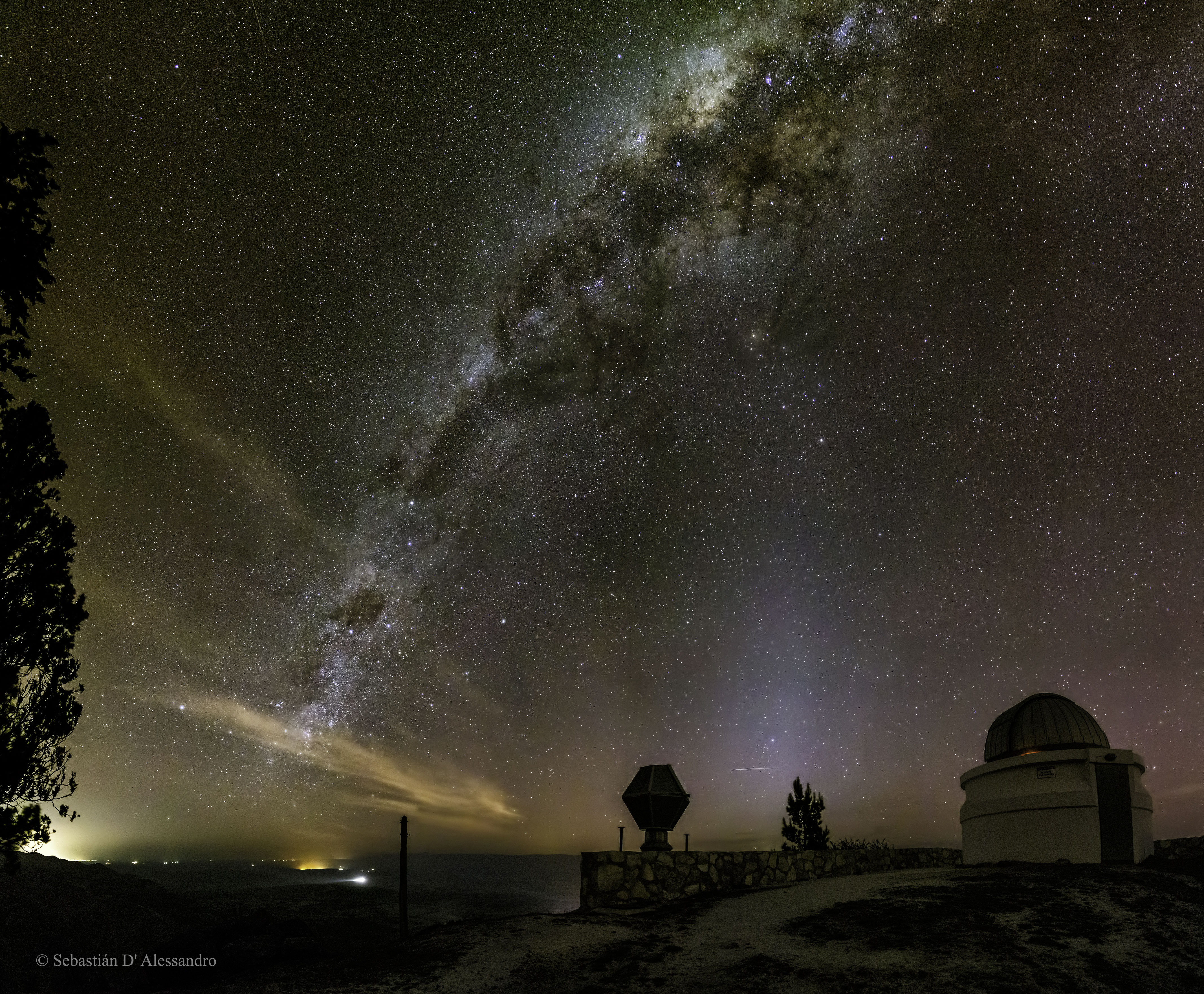
Astronomy picture of the day - 2015 September 22 - Milky Way over Bosque Alegre Station in Argentina
Image Credit & Copyright: Sebastián D' Alessandro
Explanation: What are those streaks of light in the sky? First and foremost, the arching structure is the central band of our Milky Way galaxy. Visible in this galactic band are millions of distant stars mixed with numerous lanes of dark dust. Harder to discern is a nearly vertical beam of light rising from the horizon, just to the right of the image center. This beam is zodiacal light, sunlight scattered by dust in our Solar System that may be surprisingly prominent just after sunset or just before sunrise. In the foreground are several telescopes of the Bosque Alegre Astrophysical Station of the National University of Cordoba in Argentina. The station schedules weekend tours and conducts research into the nature of many astronomical objects including comets, active galaxies, and clusters of galaxies. The featured image was taken early this month.
Inscription à :
Commentaires (Atom)