2016-06-29

GNR - "Cadeira electrica" - Video - Musica

"Cadeira electrica"

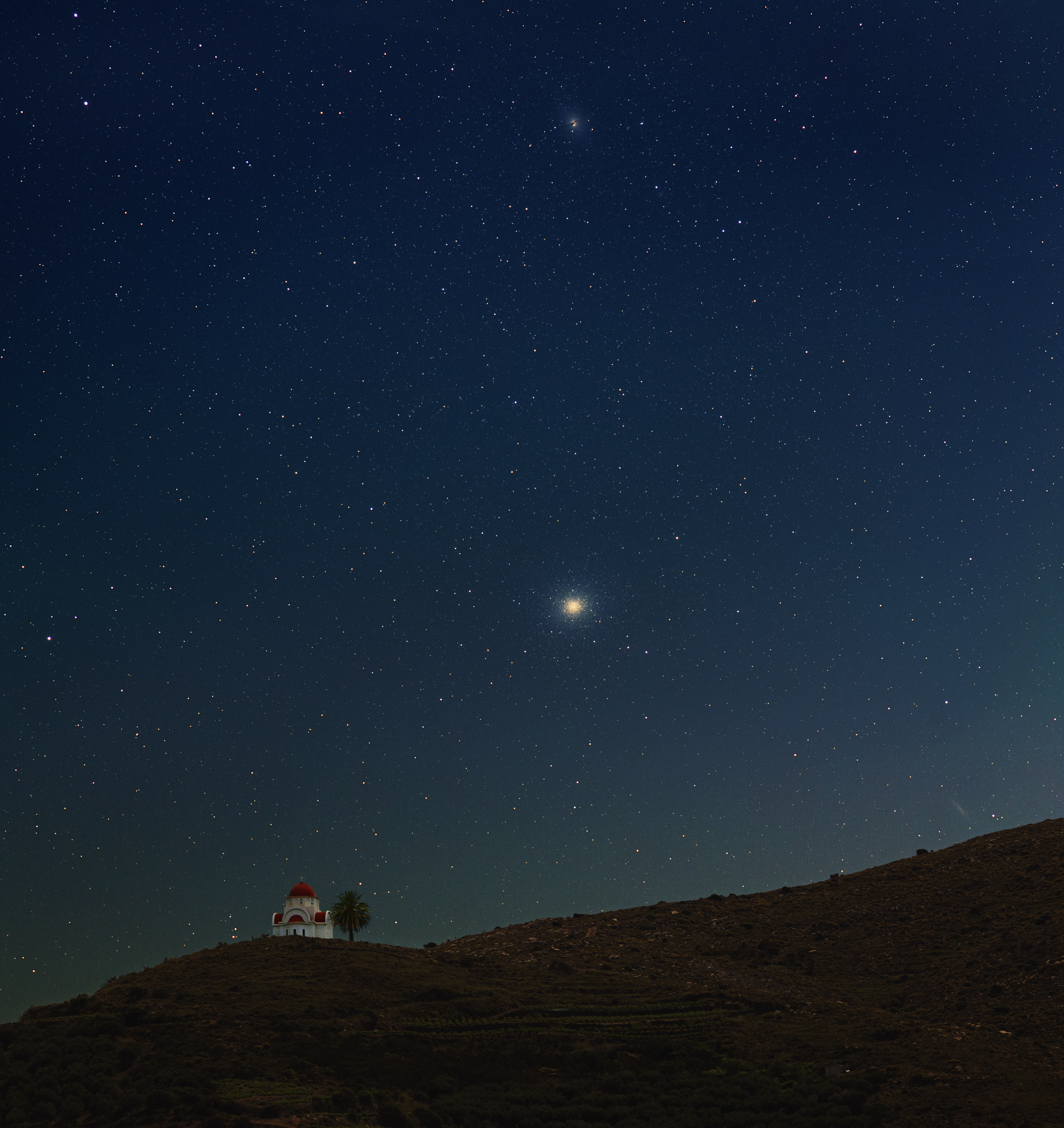
Astronomy picture of the day - 2016 June 29 - From Alpha to Omega in Crete

See Explanation.  Clicking on the picture will download
 the highest resolution version available.
From Alpha to Omega in Crete 
Image Credit & CopyrightJohannes Schedler (Panther Observatory)
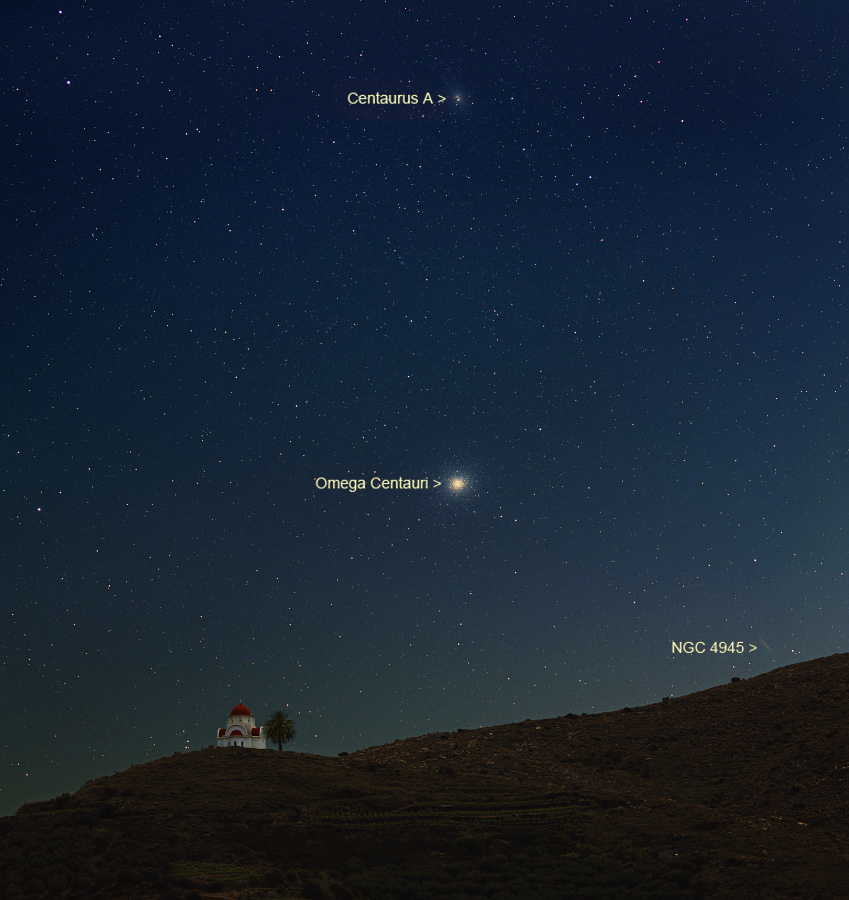
Explanation: This beautiful telephoto composition spans light-years in a natural night skyscape from the island of Crete. Looking south, exposures both track the stars and record a fixed foreground in three merged panels that cover a 10x12 degree wide field of view. The May 15 waxing gibbous moonlight illuminates the church and mountainous terrain. A mere 18 thousand light-years away, huge globular star cluster Omega Centauri (NGC 5139) shining above gives a good visual impression of its appearance in binoculars on that starry night. Active galaxy Centaurus A (NGC 5128) is near the top of the frame, some 11 million light-years distant. Also found toward the expansive southern constellation Centaurus and about the size of our own Milky Way is edge on spiral galaxy NGC 4945. About 13 million light-years distant it's only a little farther along, and just above the horizon at the right.

2016-06-27

Italia - Italia-Spagna, sfida per i quarti


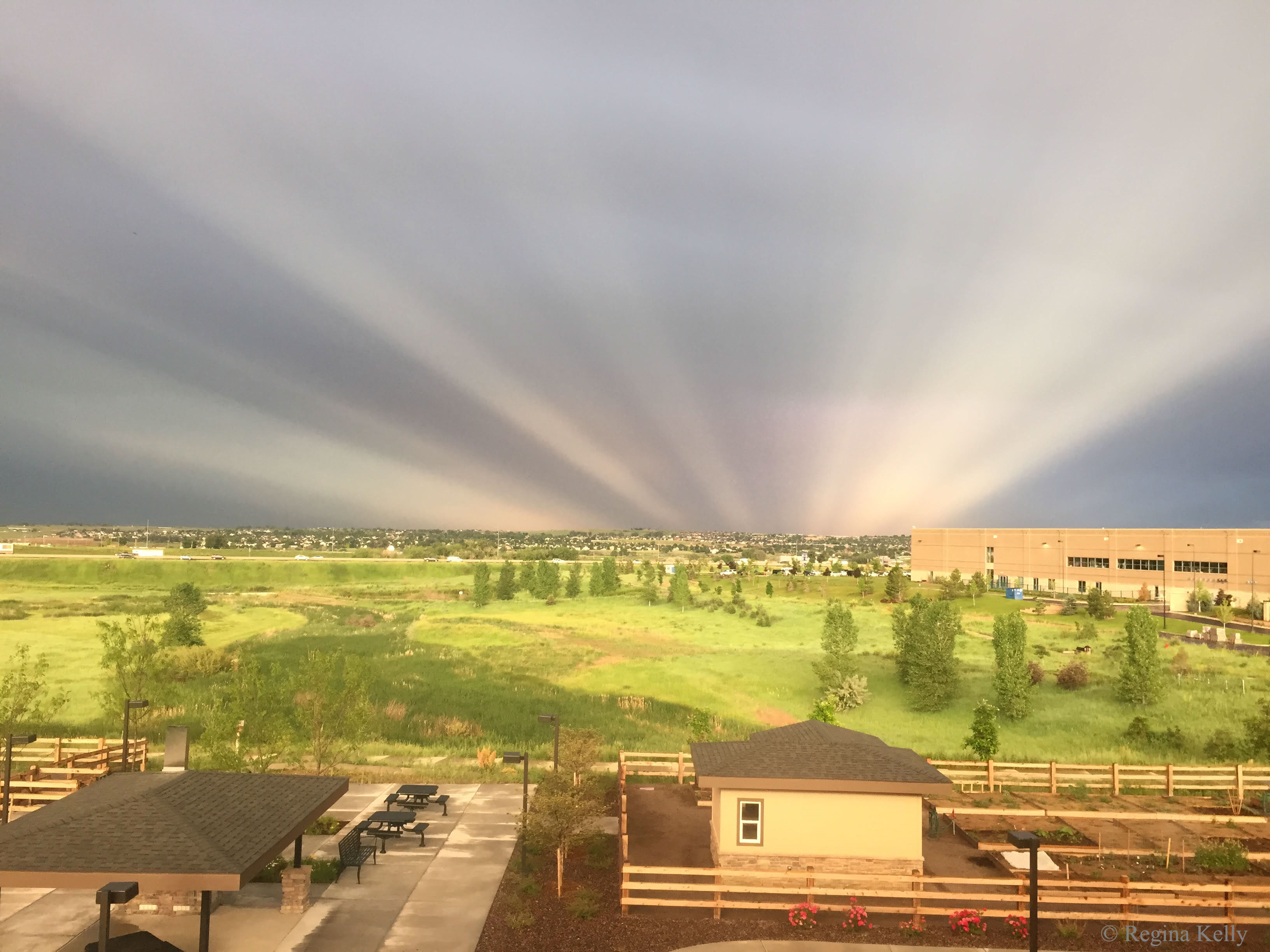
Astronomy picture of the day - 2016 June 27 - Anticrepuscular Rays over Colorado (II)

See Explanation.  Clicking on the picture will download
 the highest resolution version available.
Anticrepuscular Rays over Colorado (II) 
Image Credit & Copyright: Regina Kelly
Explanation: What's happening over the horizon? Although the scene may appear somehow supernatural, nothing more unusual is occurring than a setting Sun and some well placed clouds. Pictured above are anticrepuscular rays. To understand them, start by picturing common crepuscular rays that are seen any time that sunlight pours though scattered clouds. Now although sunlight indeed travels along straight lines, the projections of these lines onto the spherical sky are great circles. Therefore, the crepuscular rays from a setting (or rising) sun will appear to re-converge on the other side of the sky. At the anti-solar point 180 degrees around from the Sun, they are referred to as anticrepuscular rays. Featured here is a particularly striking display of anticrepuscular rays photographed earlier this month in WestminsterColoradoUSA.

2016-06-26

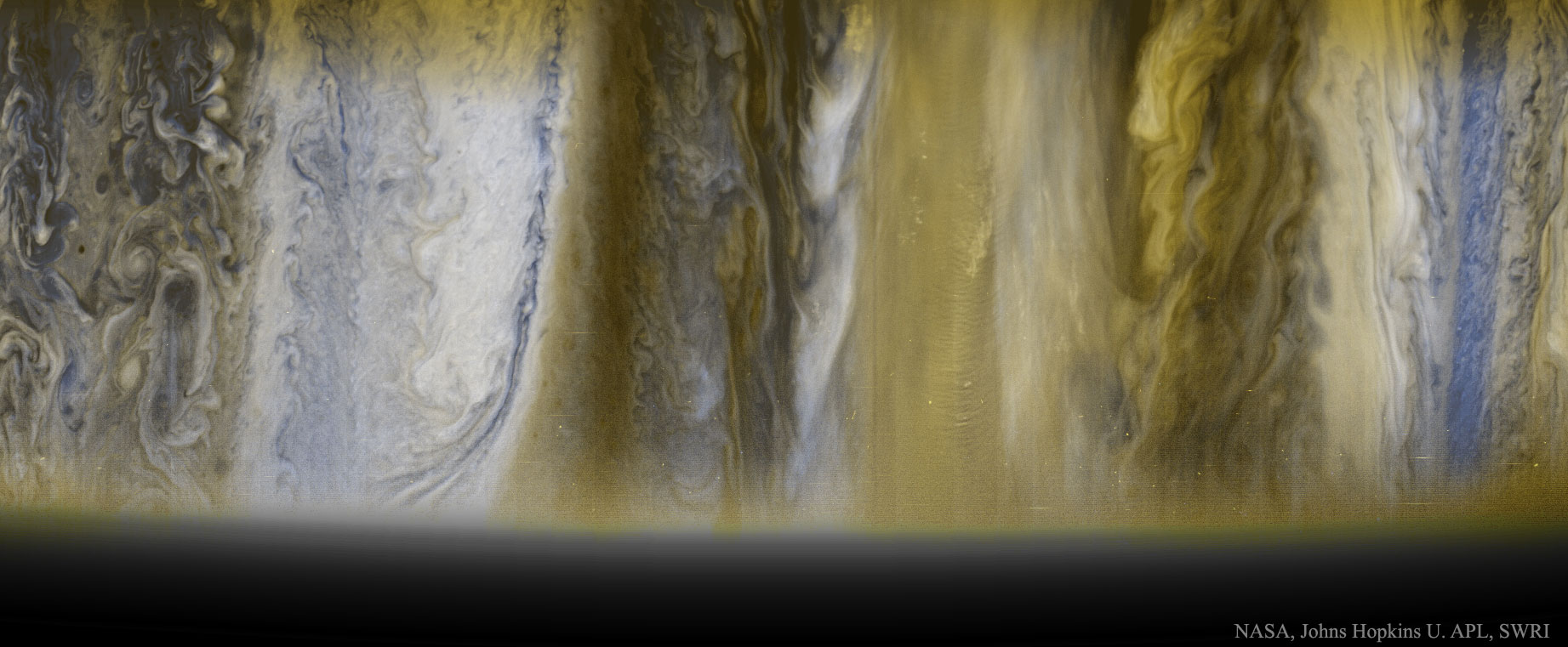
Astronomy picture of the day - 2016 June 26 - Jupiter's Clouds from New Horizons

See Explanation.  Clicking on the picture will download
 the highest resolution version available.
Jupiter's Clouds from New Horizons 
Image Credit: NASAJohns Hopkins U. APLSWRI
Explanation: The New Horizons spacecraft took some stunning images of Jupiter on its way out to Pluto. Famous for its Great Red Spot, Jupiter is also known for its regular, equatorial cloud bands, visible through even modest sized telescopes. The featured image, horizontally compressed, was taken in 2007 near Jupiter's terminator and shows the Jovian giant's wide diversity of cloud patterns. On the far left are clouds closest to Jupiter's South Pole. Here turbulentwhirlpools and swirls are seen in a dark region, dubbed a belt, that rings the planet. Even light colored regions, called zones, show tremendous structure, complete with complex wave patterns. The energy that drives these waves surely comes from below. New Horizons is the fastest space probe ever launched, has successfully complete its main flyby of Pluto in 2015, and is now heading further out and on track to flyby Kuiper belt object 2014 MU69 in 2019. In the near term, many space enthusiasts excitedly await Juno's arrival at Jupiter next Monday.

Roberto Carlos - "Oração pela familia" - Video - Musica - Ao vivo

"Oração pela familia"

2016-06-25

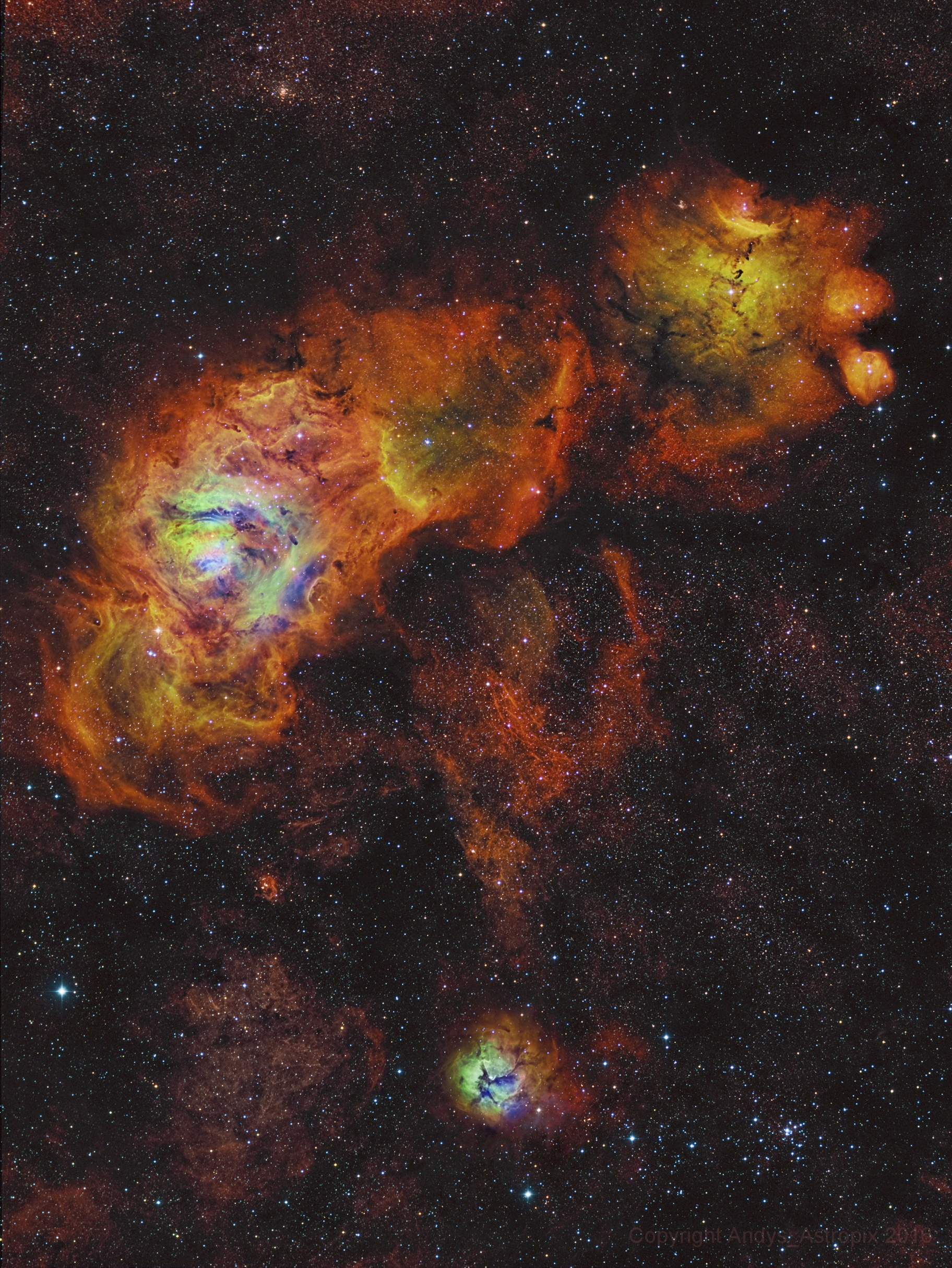
Astronomy picture of the day - 2016 June 24 - Sagittarius Sunflowers

See Explanation.  Clicking on the picture will download
 the highest resolution version available.
Sagittarius Sunflowers 
Image Credit & CopyrightAndrew Campbell
Explanation: These three bright nebulae are often featured in telescopic tours of the constellation Sagittarius and the crowded starfields of the central Milky Way. In fact, 18th century cosmic tourist Charles Messier cataloged two of them; M8, the large nebula left of center, and colorful M20 near the bottom of the frame The third, NGC 6559, is right of M8, separated from the larger nebula by dark dust lanes. All three are stellar nurseries about five thousand light-years or so distant. The expansive M8, over a hundred light-years across, is also known as the Lagoon Nebula. M20's popular moniker is the Trifid. In the composite image, narrowband data records ionized hydrogen, oxygen, and sulfur atoms radiating at visible wavelengths. The mapping of colors and range of brightness used to compose this cosmic still life were inspired by Van Gogh's famous Sunflowers. Just right of the Trifid one of Messier's open star clusters, M21, is also included on the telescopic canvas.

2016-06-24

Astronomy picture of the day - 2016 June 24 - Sagittarius Sunflowers

See Explanation.  Clicking on the picture will download
 the highest resolution version available.
Sagittarius Sunflowers 
Image Credit & CopyrightAndrew Campbell
Explanation: These three bright nebulae are often featured in telescopic tours of the constellation Sagittarius and the crowded starfields of the central Milky Way. In fact, 18th century cosmic tourist Charles Messier cataloged two of them; M8, the large nebula left of center, and colorful M20 near the bottom of the frame The third, NGC 6559, is right of M8, separated from the larger nebula by dark dust lanes. All three are stellar nurseries about five thousand light-years or so distant. The expansive M8, over a hundred light-years across, is also known as the Lagoon Nebula. M20's popular moniker is the Trifid. In the composite image, narrowband data records ionized hydrogen, oxygen, and sulfur atoms radiating at visible wavelengths. The mapping of colors and range of brightness used to compose this cosmic still life were inspired by Van Gogh's famous Sunflowers. Just right of the Trifid one of Messier's open star clusters, M21, is also included on the telescopic canvas.

2016-06-23

"Cristiano Ronaldo cometeu um crime"


Cristiano Ronaldo Caricature:
O presidente da Comissão da Carteira Profissional de Jornalista, Henrique Pires Teixeira, afirmou que Cristiano Ronaldo cometeu um crime à liberdade de informação quando atirou, esta quarta-feira, um microfone da CMTV para um lago de Lyon. "Está em causa um crime de atentado à liberdade de informação. O jornalista da CMTV estava a trabalhar e a cumprir a sua função. Só resta saber se Ronaldo agiu com intenção de o impedir de informar ou se havia alguma picardia anterior entre ambos. Trata-se de um crime público e o Ministério Público terá de investigar", afirmou, em declarações ao Expresso. Luís Filipe Simões, jornalista do diário A Bola e que faz parte da direção do Sindicato de Jornalistas, condenou a atitude do capitão da seleção das quinas. "É um comportamento não adequado, muito menos por parte do capitão da seleção nacional. O que torna ainda mais grave é ter sido um ato agressivo levado a cabo pelo capitão. Mesmo que não se pudessem colocar questões, não devia responder com agressividade. A atitude não constitui uma violação, mas sim um atropelo à liberdade de imprensa e um crime de dano, caso o microfone tenha ficado danificado", salientou. 

Correio da Manhã - Portugal

Astronomy picture of the day - 2016 June 23 - Solstice Dawn and Full Moonset

See Explanation.  Clicking on the picture will download
 the highest resolution version available.
Solstice Dawn and Full Moonset 
Image Credit & CopyrightLaurie Hatch
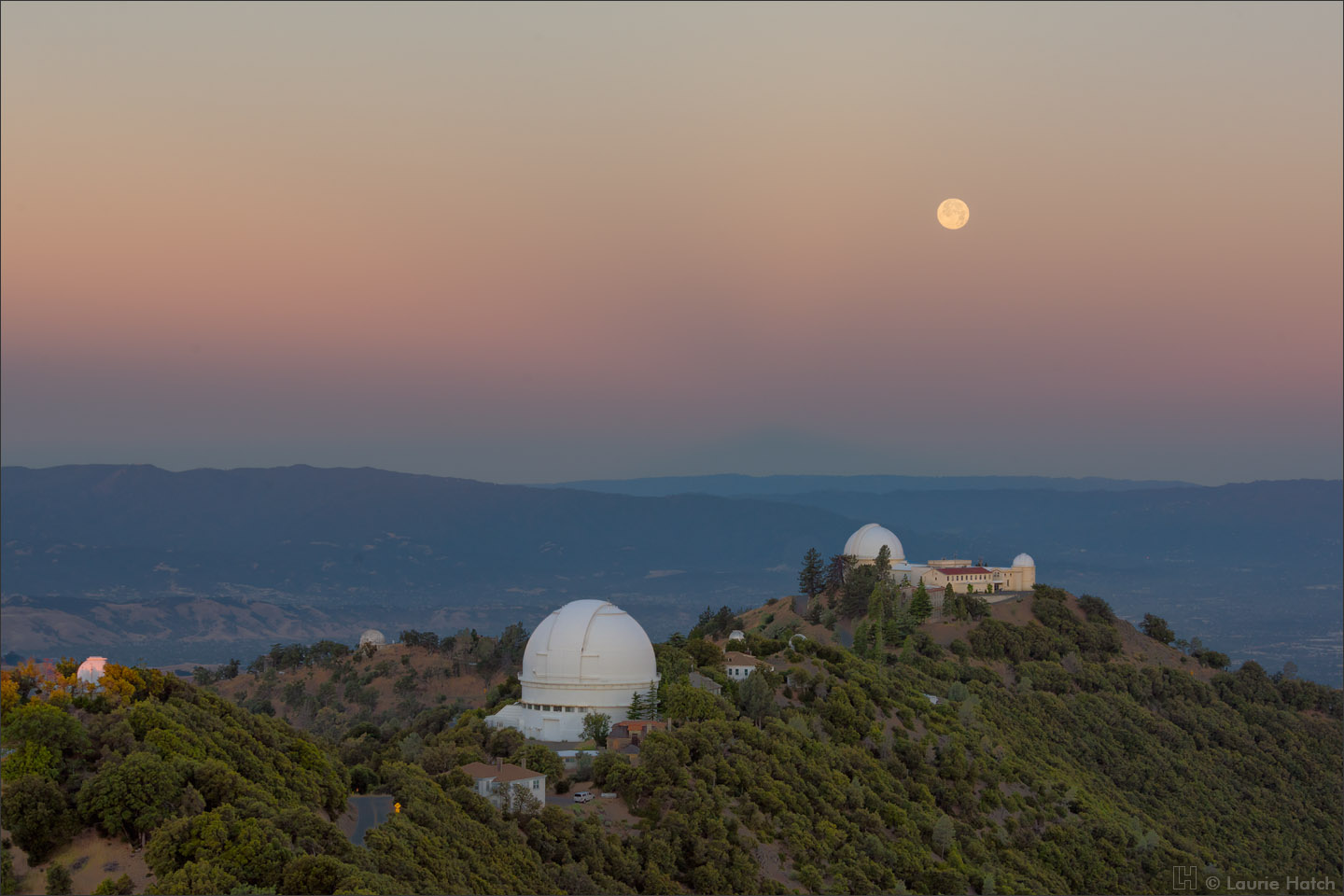
Explanation: A Full Moon sets as the Solstice Sun rises in this June 20 dawn skyscape. Captured from a nearby peak in central California, planet Earth, the scene looks across the summit of Mount Hamilton and Lick Observatorydomes on a calendar date that marks an astronomical change of seasons and hemispherical extremes of daylight hours. Earth's shadow stretches toward the Santa Cruz Mountains on the western horizon. Just above the atmospheric grey shadowband is a more colorful anti-twilight arch, a band of reddened, backscattered sunlight also known as the Belt of Venus. The interplay of solstice dates and lunar months does make this solstice and Full Moon a rare match-up. The next June solstice and Full Moon will fall on the same calendar date on June 21, 2062.