2018-02-22

Alita Pinheiro - "Diva divina" - Pintura contemporânea

"Diva divina"

Article - Au Portugal, le gouvernement célèbre “la croissance du siècle”


Selon l’estimation de l’Institut national de la statistique divulguée le 14 février, la croissance de l’économie portugaise en 2017 atteint 2,7 %.

Dans son édition en ligne, Expresso se réjouit de ces “bonnes nouvelles” – le rythme de croissance, actuellement au-dessus de la moyenne des pays de la zone euro (2,5 %), n’avait pas été aussi élevé depuis l’année 2000 – mais il souligne aussi les “moins bonnes” – lePIB reste inférieur à celui de 2008, avant que la crise économique ne frappe le pays.

Pour le chef du gouvernement socialiste, António Costa – dont le ministre des Finances, Mário Centeno, dirige la zone euro depuis décembre –, “il serait difficile de minimiser le plus fort taux de croissance du siècle”. Son principal opposant, Hugo Soares, leader des sociaux-démocrates au Parlement, lui a rétorqué qu’il se contentait d’“une toute petite ambition”.

L’opposition va devoir “réajuster ses arguments”, note le quotidien de centre droit Diário de Notícias, qui concède :

La croissance a été plus forte que prévu, le chômage a baissé, le déficit a été réduit et la dette aussi.”

“Redescendons sur terre”

“Dans une conjoncture marquée par différents risques, cette nouvelle accélération de l’économie donne des raisons d’être optimistes pour l’avenir”, commente prudemment le quotidien Público. De son côté, le Jornal Económico analyse que cette croissance est le fruit d’une “envolée de l’investissement”, qui a entraîné une hausse de la demande intérieure, mais aussi des exportations.

Le Jornal de Negócios est plus tranchant. “Redescendons sur terre”, tempère André Veríssimo dans son éditorial :

Ces 2,7 % brillent d’un éclat d’autant plus vif sur la toile de fond d’une décennie perdue.”

Le directeur du quotidien libéral voit dans cette “croissance du siècle” le verre à moitié vide :

Le Parti communiste et le Bloco de esquerda [Bloc de gauche, gauche radicale] assurent que ces bonnes performances économiques s’expliquent par la politique de restitution de pouvoir d’achat. Le gouvernement y ajoute la tenue rigoureuse des comptes publics et le rétablissement du système bancaire et de la confiance à l’étranger. La droite, elle, y voit l’effet des réformes menées en son temps. Il faut ajouter à tout cela les efforts réalisés par les entreprises, mais chacun, au fond, a sa part de vérité. Sauf que ça ne suffit pas.”

Courrier International - France

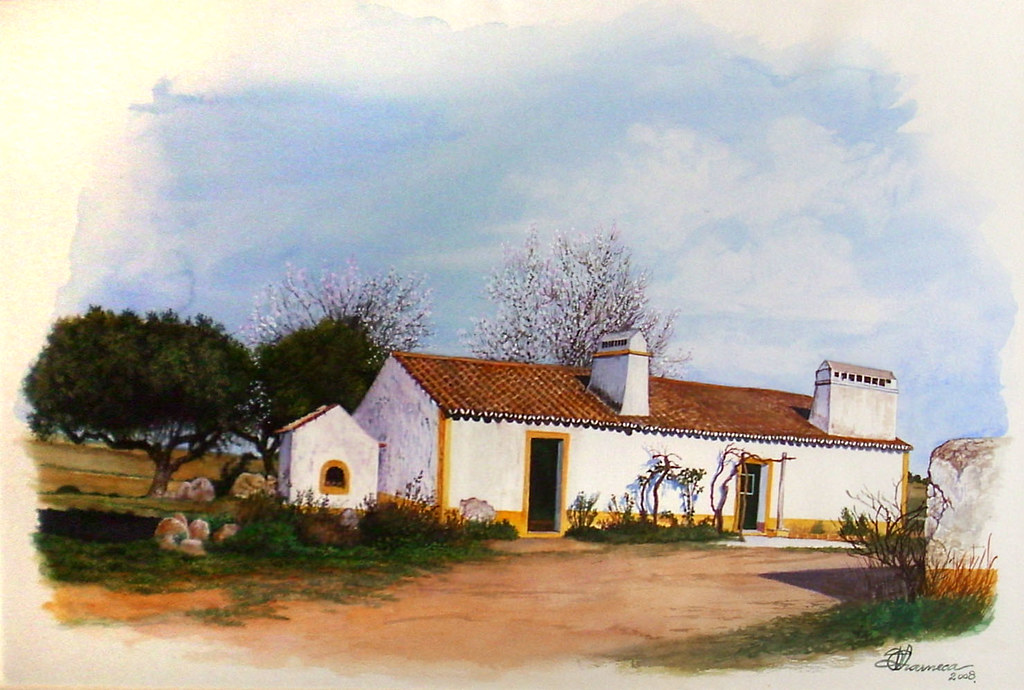
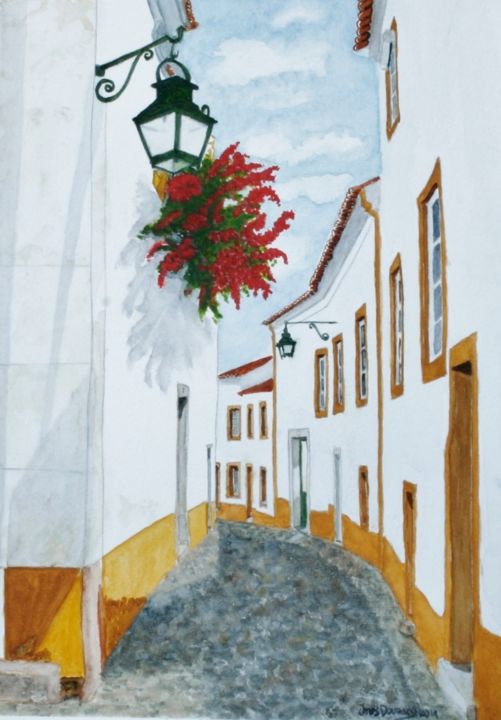
Francisco Charneca - "Monte do Alentejo" - Aguarela

Résultat de recherche d'images pour "aguarelas alentejo"
"Monte do Alentejo"

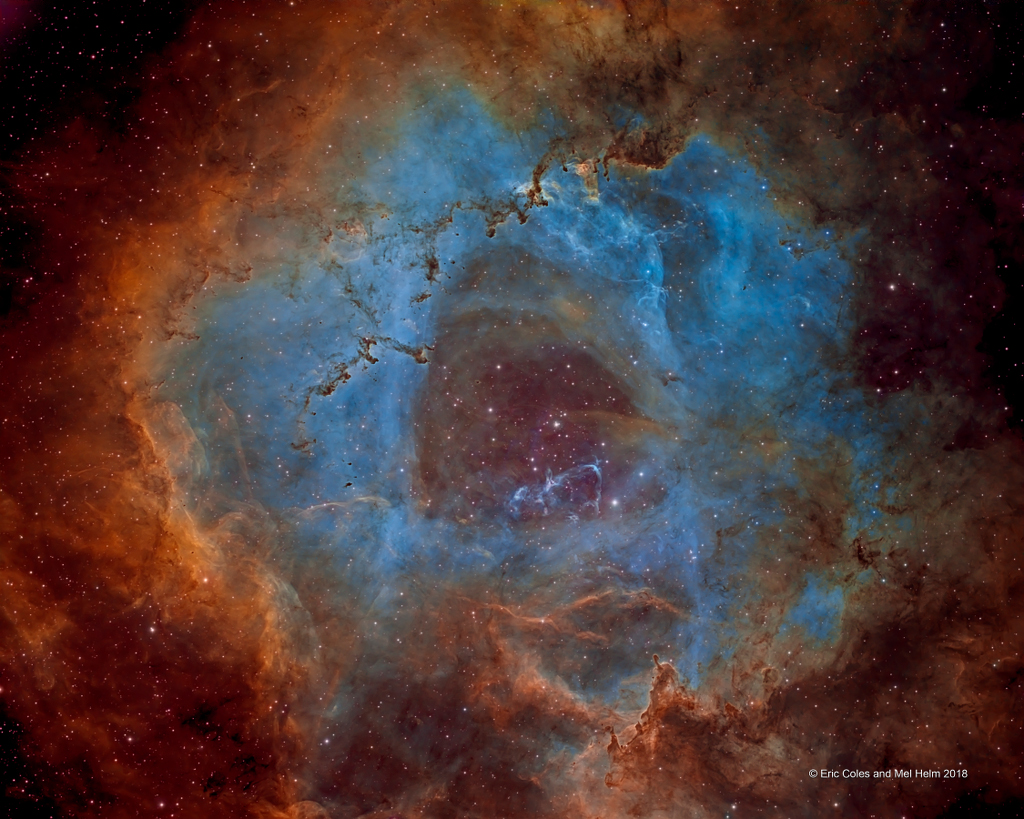
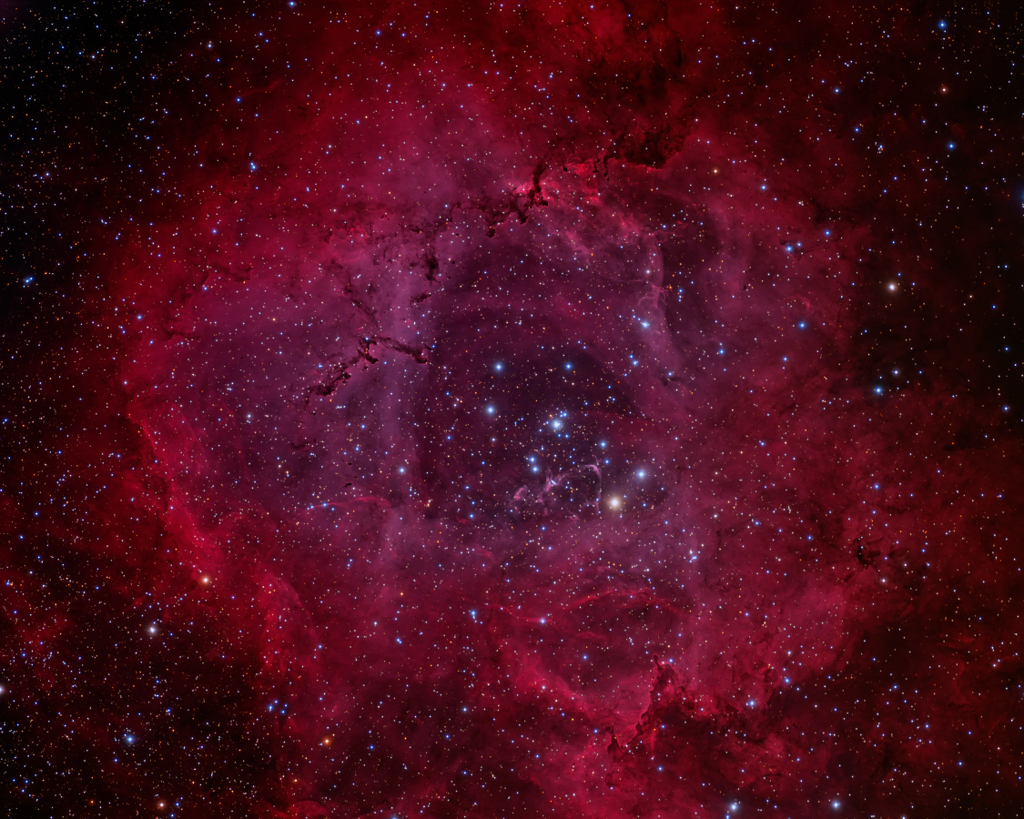
Astronomy picture of the day - 2018 February 22 - When Roses Aren't Red

See Explanation.
Moving the cursor over the image will bring up an annotated version.
Clicking on the image will bring up the highest resolution version
available.
When Roses Aren't Red 
Image Credit & CopyrightEric Coles and Mel Helm
Explanation: Not all roses are red of course, but they can still be very pretty. Likewise, the beautiful Rosette Nebula and other star forming regions are often shown in astronomical images with a predominately red hue, in part because the dominant emission in the nebula is from hydrogen atoms. Hydrogen's strongest optical emission line, known as H-alpha, is in the red region of the spectrum, but the beauty of an emission nebula need not be appreciated in red light alone. Other atoms in the nebula are also excited by energetic starlight and produce narrow emission lines as well. In this gorgeous view of the Rosette Nebula, narrowband images are combined to show emission from sulfur atoms in red, hydrogen in blue, and oxygen in green. In fact, the scheme of mapping these narrow atomic emission lines into broader colors is adopted in many Hubble images of stellar nurseries. The image spans about 100 light-years in the constellation Monoceros, at the 3,000 light-year estimated distance of the Rosette Nebula. To make the Rosette red, just follow this link or slide your cursor over the image.

2018-02-21

Alita Pinheiro - "Walking in the rain" - Pintura contemporânea

"Walking in the rain"

2017
Alita Pinheiro

Steve Hanks - "Enviando flores" - Aguarela

Steve Hanks, aquarelas
"Enviando flores"

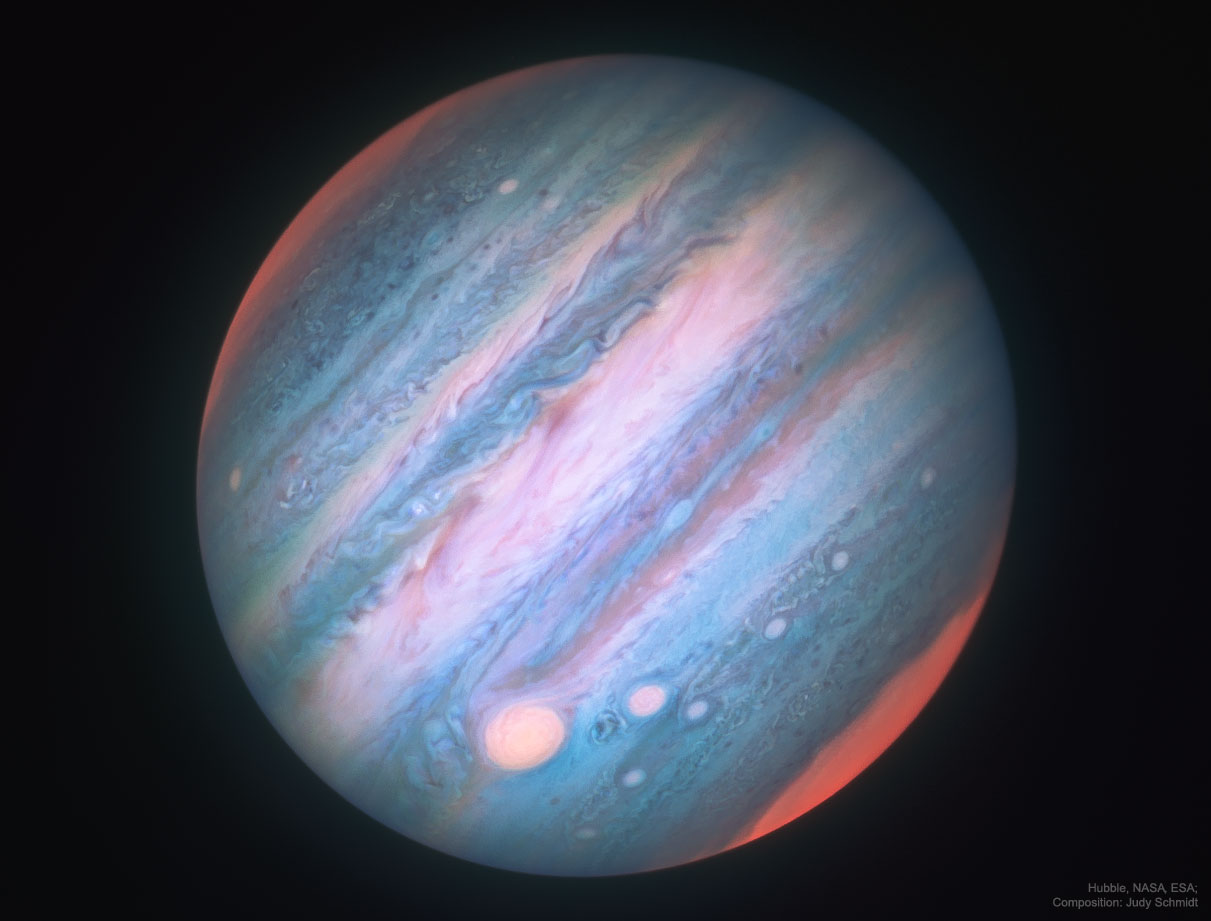
Astronomy picture of the day - 2018 February 21 - Jupiter in Infrared from Hubble

See Explanation.  Clicking on the picture will download
 the highest resolution version available.
Jupiter in Infrared from Hubble 
Image Credit: NASAESAHubbleData: Michael Wong (UC Berkeleyet al.Processing & LicenseJudy Schmidt
Explanation: Jupiter looks a bit different in infrared light. To better understand Jupiter's cloud motions and to help NASA's robotic Juno spacecraft understand the Hubble Space Telescope is being directed to regularly image the entire Jovian giant. The colors of Jupiter being monitored go beyond the normal human visual range to include both ultraviolet and infrared light. Featured here in 2016, three bands of near-infrared light have been digitally reassigned into a mapped color image. Jupiter appears different in infrared partly because the amount of sunlight reflected back is distinct, giving differing cloud heights and latitudes discrepant brightnesess. Nevertheless, many familiar features on Jupiterremain, including the light zones and dark belts that circle the planet near the equator, the Great Red Spot on the lower left, and the string-of-pearls storm systems south of the Great Red Spot. The poles glow because high altitute haze there is energized by charged particles from Jupiter's magnetosphereJuno has now completed 10 of 12 planned science orbits of Jupiter and continues to record data that are helping humanity to understand not only Jupiter's weather but what lies beneath Jupiter's thick clouds.

2018-02-20

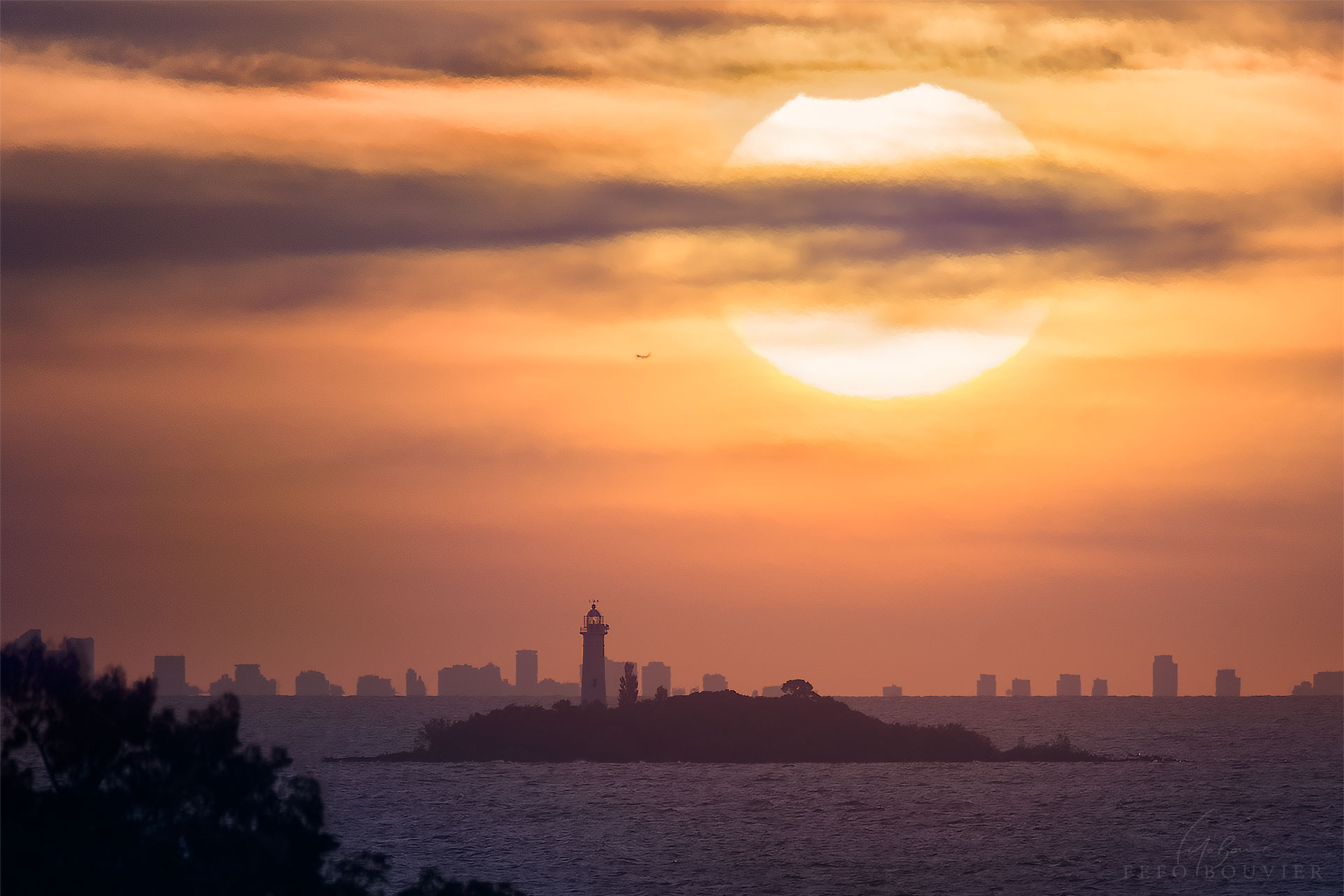
Astronomy picture of the day - 2018 February 20 - A Partial Solar Eclipse over Buenos Aires

See Explanation.  Clicking on the picture will download
 the highest resolution version available.
A Partial Solar Eclipse over Buenos Aires 
Image Credit & Copyright: Fefo Bouvier
Explanation: What's happened to top of the Sun? Last week, parts of Earth's southern hemisphere were treated to a partial solar eclipse, where the Moon blocks out part of the Sun. The featured image was taken toward the end of the eclipse from the coast of Uruguay overlooking Argentina's Buenos Aires. Light-house adorned Farallón Island is seen in the foreground, and a plane is visible just to the left of the Sun. The image is actually a digital combination of two consecutive exposures taken with the same camera using the same settings -- one taken of the landscape and another of the background Sun. The next solar eclipse visible on Earth will be another partial eclipse occurring in mid-July and visible from parts of southern Australia including Tasmania.