2018-03-23

Astronomy picture of the day - 2018 March 23 - Rotating Moon from LRO

Rotating Moon from LRO 
Video Credit: LRO, Arizona State U., NASA
Explanation: No one, presently, sees the Moon rotate like this. That's because the Earth's moon is tidally locked to the Earth, showing us only one side. Given modern digital technology, however, combined with many detailed images returned by the Lunar Reconnaissance Orbiter (LRO), a high resolution virtual Moon rotation movie has been composed. The above time-lapse video starts with the standard Earth view of the Moon. Quickly, though, Mare Orientale, a large crater with a dark center that is difficult to see from the Earth, rotates into view just below the equator. From an entire lunar month condensed into 24 seconds, the video clearly shows that the Earth side of the Moon contains an abundance of dark lunar maria, while the lunar far side is dominated by bright lunar highlands. Currently, over 20 new missions to the Moon are under active development from four different countries, most of which have expected launch dates either this year or next.

2018-03-22

Queen - "Who wants to live forever" - Video - Music

"Who wants to live forever"


Astronomy picture of the day - 2018 March 22 - NGC 253: Dusty Island Universe

See Explanation.  Clicking on the picture will download
 the highest resolution version available.
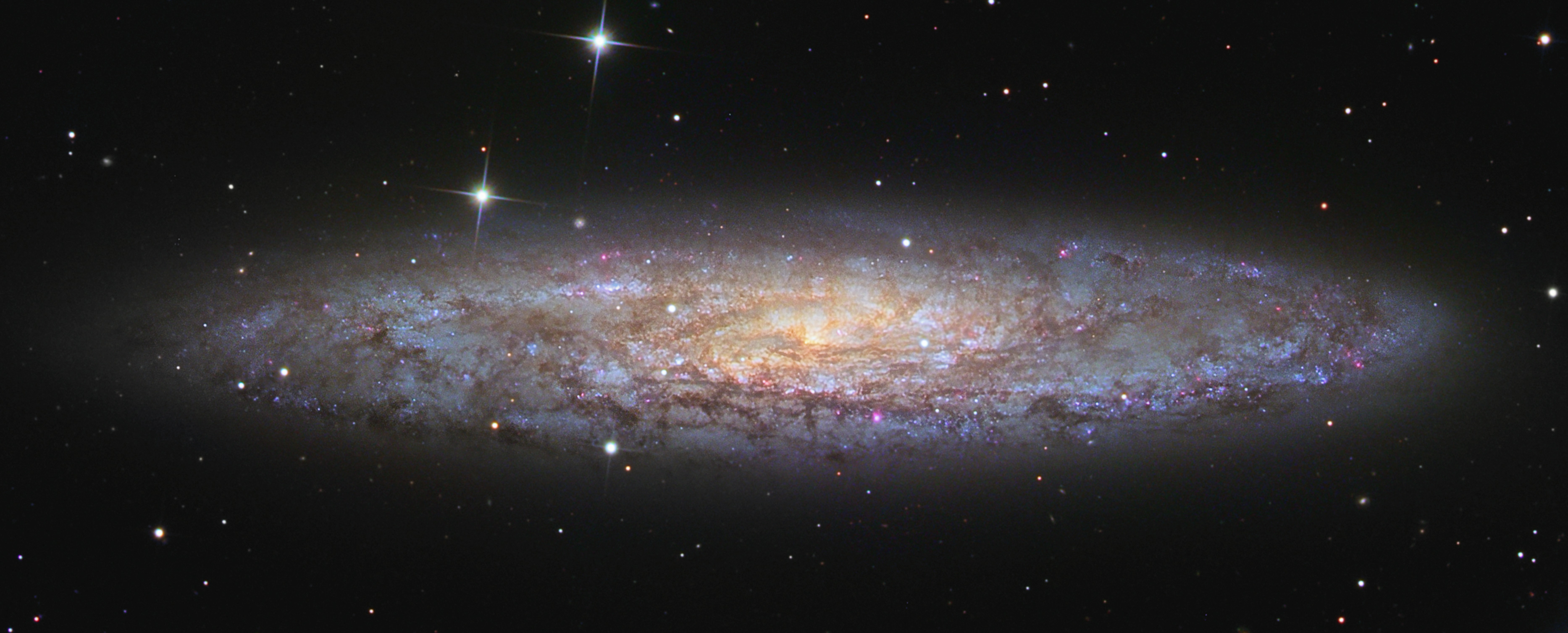
NGC 253: Dusty Island Universe 
Image Credit & CopyrightStefano CancelliPaul Mortfield
Explanation: Shiny NGC 253 is one of the brightest spiral galaxies visible, and also one of the dustiest. Some call it the Silver Dollar Galaxy for its appearance in small telescopes, or just the Sculptor Galaxy for its location within the boundaries of the southern constellation Sculptor. Discovered in 1783 by mathematician and astronomer Caroline Herschel, the dusty island universe lies a mere 10 million light-years away. About 70 thousand light-years across, NGC 253 is the largest member of the Sculptor Group of Galaxies, the nearest to our own Local Group of Galaxies. In addition to its spiral dust lanes, tendrils of dust seem to be rising from a galactic disk laced with young star clusters and star forming regions in this sharp color image. The high dust content accompanies frantic star formation, earning NGC 253 the designation of a starburst galaxy. NGC 253 is also known to be a strong source of high-energy x-rays and gamma rays, likely due to massive black holes near the galaxy's center. Take a trip through extragalactic space in this short video flyby of NGC 253.

2018-03-20

Vanessa d'Azevedo - "Reguengos de Monsaraz" - Aguarelas


Reguengos de Monsaraz, Portugal Watercolour on paper by Vanessa d'Azevedo www.vanessazevedoart.com
"Reguengos de Monsaraz"

Astronomy picture of the day - 2018 March 20 - Chicagohenge: Equinox in an Aligned City

See Explanation.  Clicking on the picture will download
 the highest resolution version available.
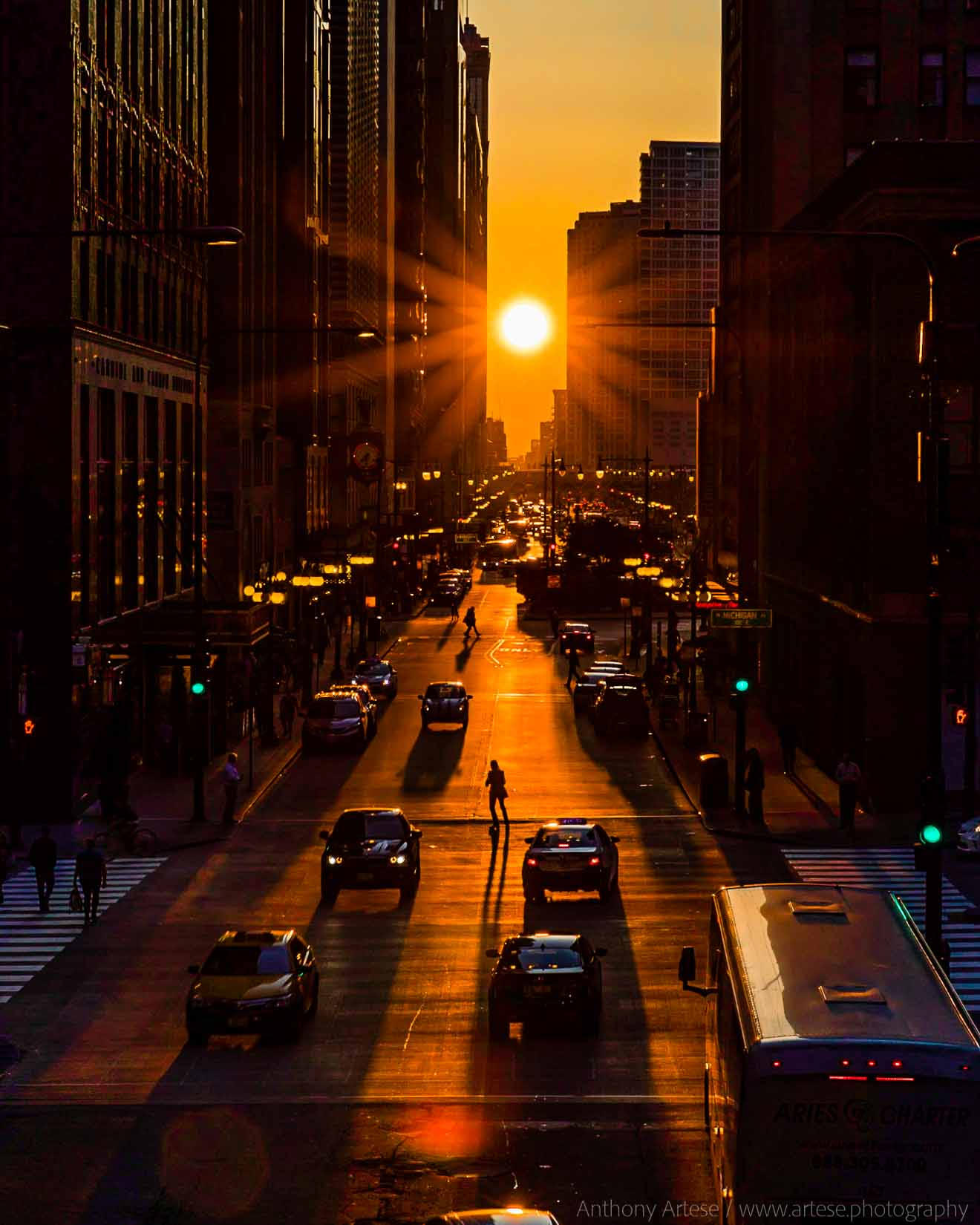
Chicagohenge: Equinox in an Aligned City 
Image Credit & Copyright: Anthony Artese
Explanation: Sometimes, in a way, Chicago is like a modern Stonehenge. The way is east to west, and the time is today. Today, and every equinox, the Sun will set exactly to the west, everywhere on Earth. Therefore, today inChicago, the Sun will set directly down the long equatorially-aligned grid of streets and buildings, an event dubbed #chicagohengeFeatured here is a Chicago Henge picture taken during the last equinox in mid-September of 2017 looking along part of Upper Wacker DriveMany cities, though, have streets or other features that are well-aligned to Earth's spin axis. Therefore, quite possibly, your favorite street may also run east - west. Tonight at sunset, with a quick glance, you can actually find out.

2018-03-17

Astronomy picture of the day - 2018 March 17 - The Crab from Space

See Explanation.  Clicking on the picture will download
 the highest resolution version available.
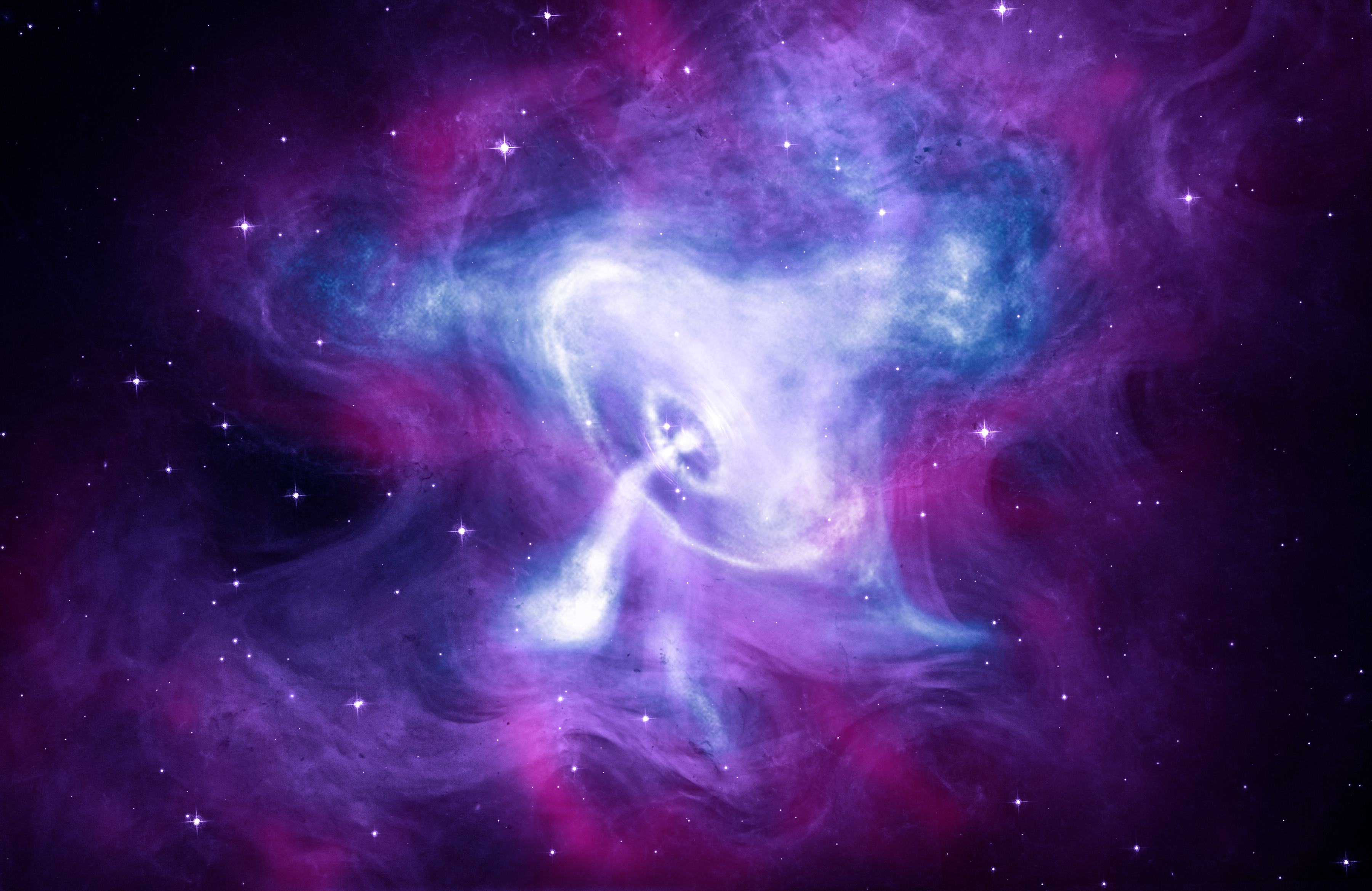
The Crab from Space 
Image Credit: NASA - X-ray: CXC, Optical: STSCI, Infrared: JPL-Caltech,
Explanation: The Crab Nebula is cataloged as M1, the first object on Charles Messier's famous list of things which are not comets. In fact, the Crab is now known to be a supernova remnant, expanding debris from the death explosion of a massive star. This intriguing false-color image combines data from space-based observatories, ChandraHubble, and Spitzer, to explore the debris cloud in X-rays (blue-white), optical (purple), and infrared (pink) light. One of the most exotic objects known to modern astronomers, the Crab Pulsar, a neutron star spinning 30 times a second, is the bright spot near picture center. Like a cosmic dynamo, this collapsed remnant of the stellar core powers the Crab's emission across the electromagnetic spectrum. Spanning about 12 light-years, the Crab Nebula is 6,500 light-years away in the constellation Taurus.

2018-03-16

JoanMira - "Primavera à porta" - Fotos

- Quem bateu?
- é a Primavera à porta.

Astronomy picture of the day - 2018 March 16 - The Seagull and the Duck

See Explanation.  Clicking on the picture will download
 the highest resolution version available.
The Seagull and the Duck 
Image Credit & CopyrightRaul Villaverde Fraile
Explanation: Seen as a seagull and a duck, these nebulae are not the only cosmic clouds to evoke images of flight. But both are winging their way across this broad celestial landscape, spanning almost 7 degrees across planet Earth's night sky toward the constellation Canis Major. The expansive Seagull (top center) is itself composed of two major cataloged emission nebulae. Brighter NGC 2327 forms the head with the more diffuse IC 2177 as the wings and body. Impressively, the Seagull's wingspan would correspond to about 250 light-years at the nebula's estimated distance of 3,800 light-years. At the lower right, the Duck appears much more compact and would span only about 50 light-years given its 15,000 light-year distance estimate. Blown by energetic winds from an extremely massive, hot star near its center, the Duck nebula is cataloged as NGC 2359. Of course, the Duck's thick body and winged appendages also lend it the slightly more dramatic popular moniker, Thor's Helmet.