2018-03-28

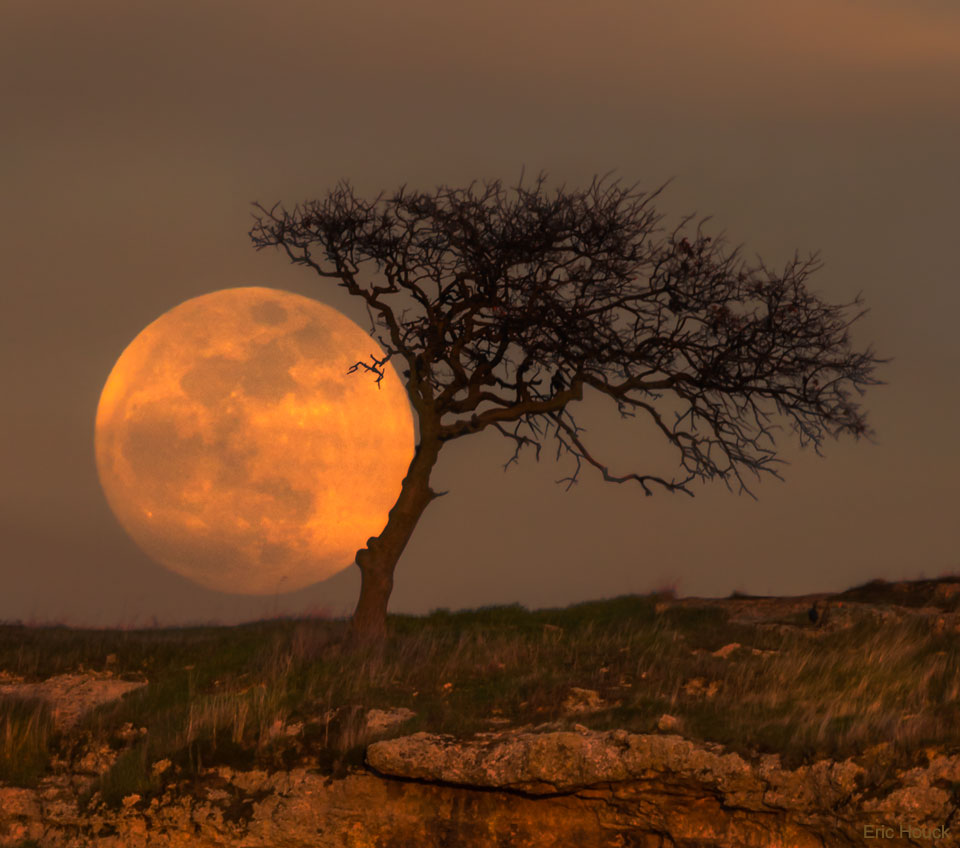
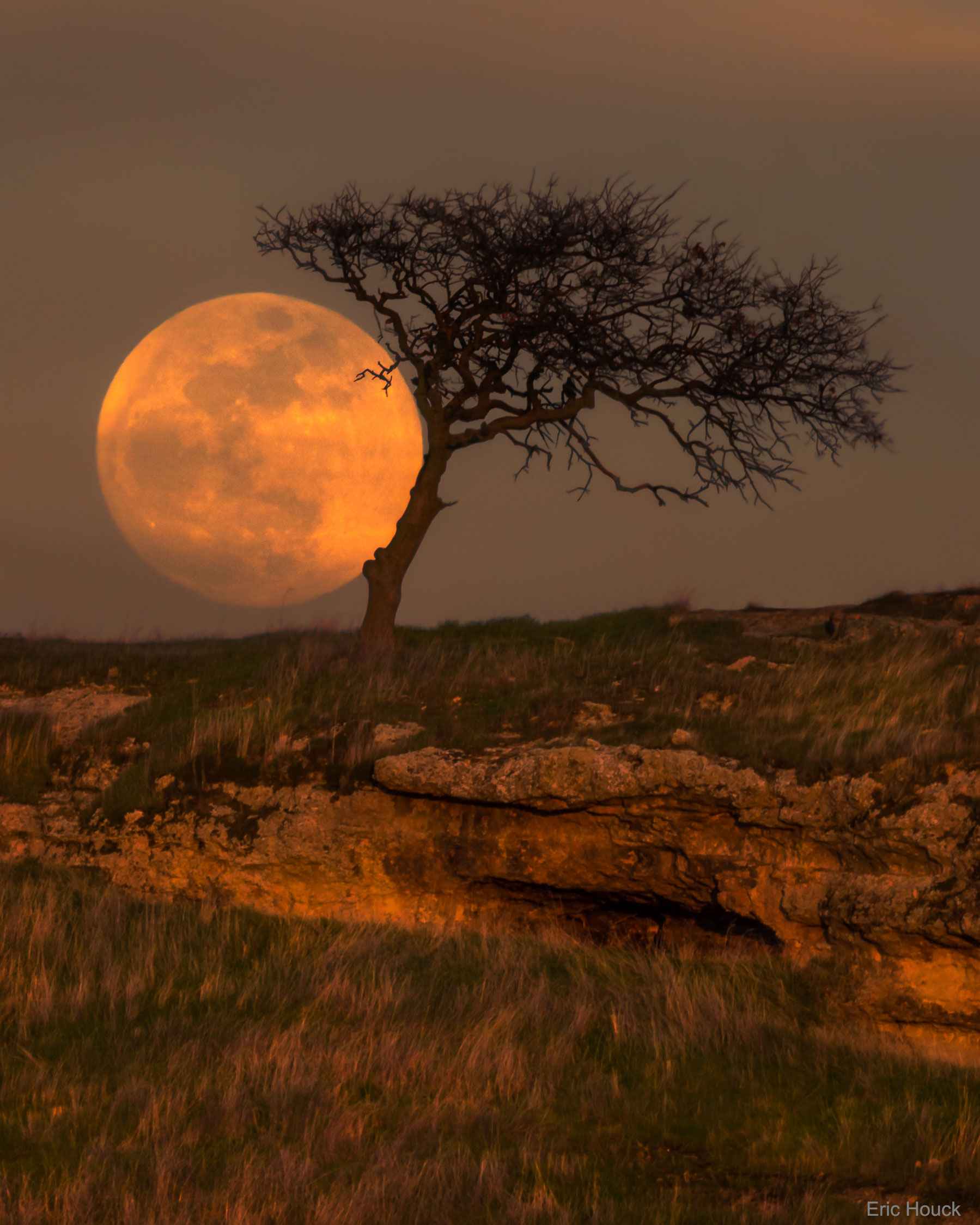
Astronomy picture of the day - 2018 March 28 - Blue Moon Tree

See Explanation.  Clicking on the picture will download
 the highest resolution version available.
Blue Moon Tree 
Image Credit & Copyright: Eric Houck
Explanation: Does an alignment like this occur only once in a blue moon? No, although it was during a blue moon that this single-shot image was taken. During a full moon that happened to be the second of the month -- the situation that defines a blue moon -- the photographer created the juxtaposition in late January by quickly moving around to find just the right spot to get the background Moon superposed behind the arc of a foreground tree. Unfortunately, in this case, there seemed no other way than getting bogged down in mud and resting the camera on a barbed-wire fence. The arc in the oak tree was previously created by hungry cows in Knight's FerryCaliforniaUSA. Quirky Moon-tree juxtapositions like this can be created during any full moon though, given enough planning and time. Another opportunity will arise this weekend, coincidently during another blue moon. Then, the second blue moon in 2018 will occur, meaning that for the second month this year, two full moons will appear during a single month (moon-th). Double blue-moon years are relatively rare, with the last occurring in 1999, and the next in 2037.
JoanMira - "Através da vidraça" - Fotos

"Através da vidraça"

28-03-2018
JoanMira

JoanMira - "A Primavera a crescer" - Fotos

"A Primavera a crescer"

28-03-2018
JoanMira

JoanMira - "what an angel : Haïzé" - Fotos

"what an angel : Haïzé"

28-03-2018
JoanMira

2018-03-27

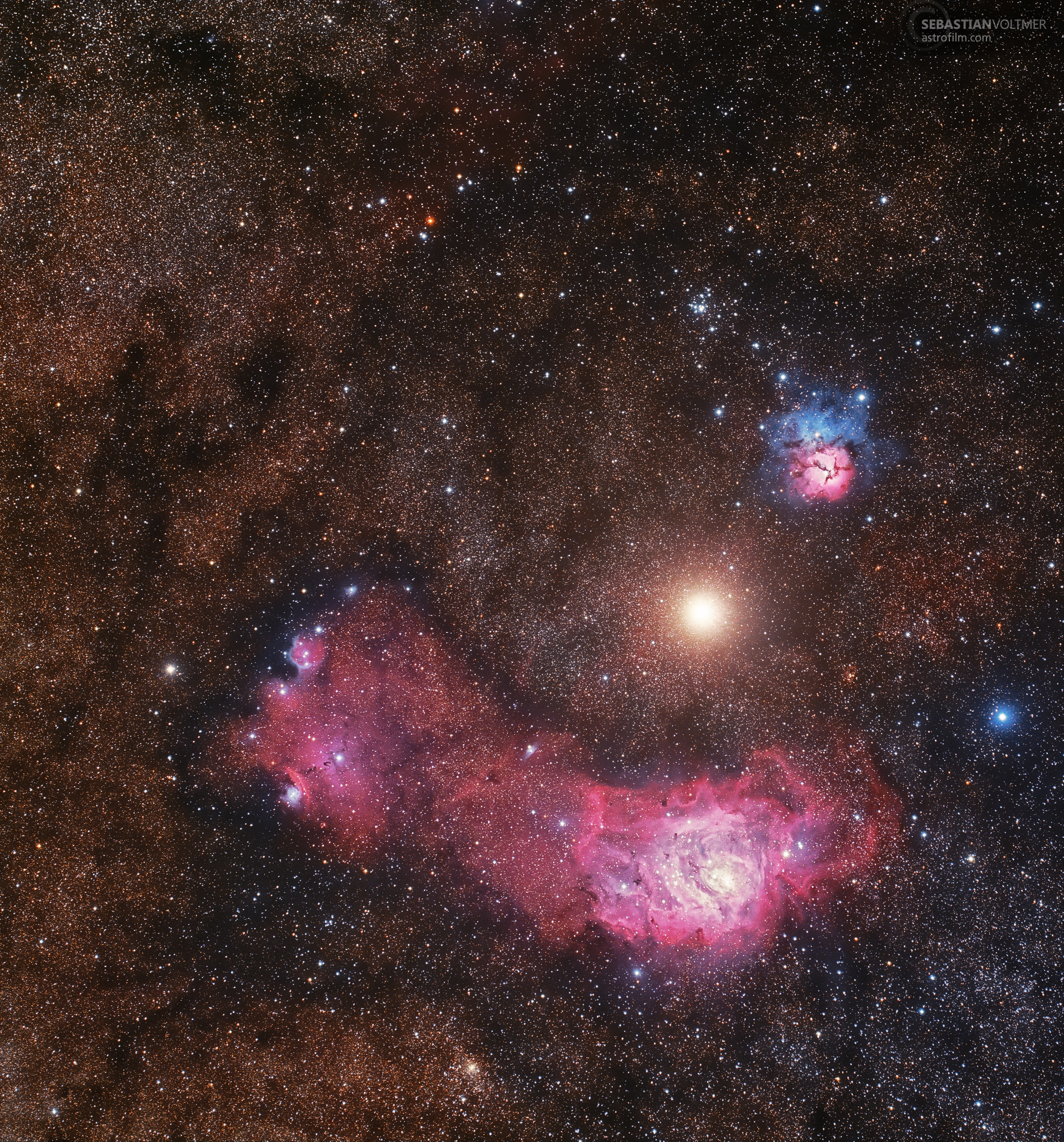
Astronomy picture of the day - 2018 March 27 - Mars Between Nebulas

See Explanation.  Clicking on the picture will download
 the highest resolution version available.
Mars Between Nebulas 
Image Credit & Copyright: Sebastian Voltmer
Explanation: What that bright red spot between the Lagoon and Trifid Nebulas? Mars. This gorgeous color deep-sky photograph captured the red planet passing between the two notable nebulas -- cataloged by the 18th century cosmic registrar Charles Messier as M8 and M20. M20 (upper right of center), the Trifid Nebula, presents a striking contrast in red/blue colors and dark dust lanes. Across the bottom right is the expansive, alluring red glow of M8, the Lagoon Nebula. Both nebulae are a few thousand light-years distant. By comparison, temporarily situated between them both, is the dominant "local" celestial beacon Mars. Taken last week, the red planet was only about 10 light-minutes away.

2018-03-26

JoanMira - "Dia... interrompido..." - Fotos

"Dia... interrompido..."

26-03-2018
JoanMira

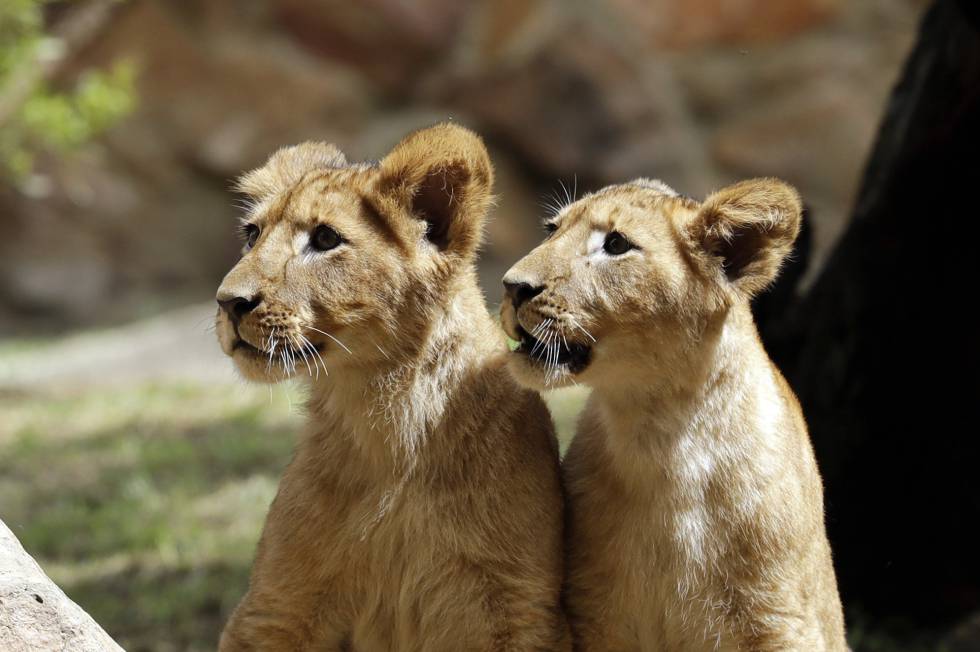
No mundo dos leões - Imagens do Mundo, Africa do Sul - Animais

Dos cachorros de león en el zoo de Johannesburgo (Sudáfrica).
"No mundo dos leões"
- Don't talk me about Sporting...
- Sporting Clube de Braga ?
- No,  Lisbon !

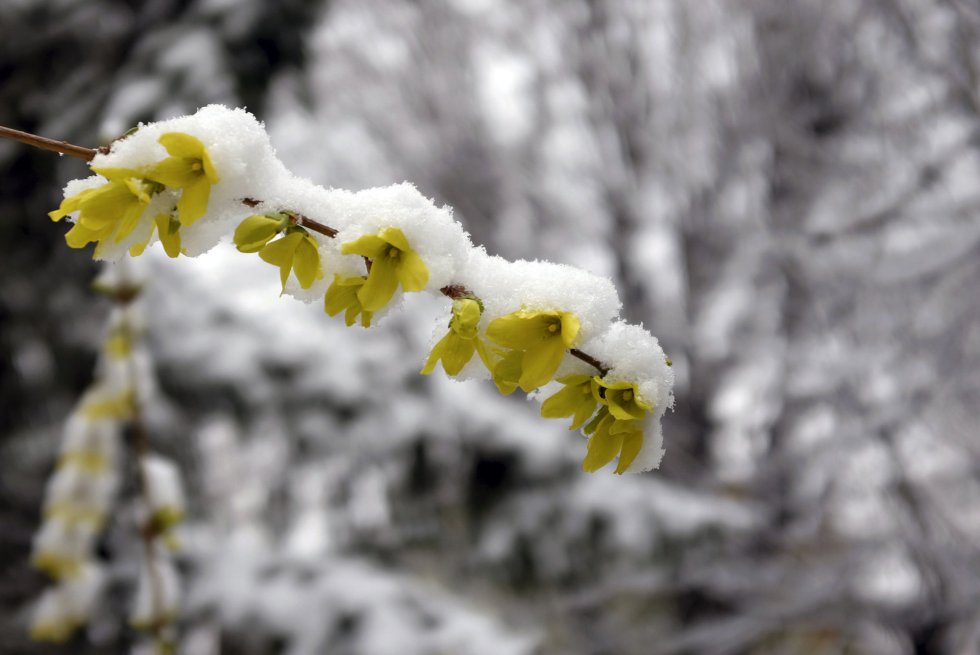
Flores de Belgrado - Imagens do Mundo - Vegetais

Flores cubiertas de nieve en Belgrado (Serbia).
Flores cobertas de neve em Belgrado (Servia).

Macacos de Jerusalem - Imagens do Mundo - Animais

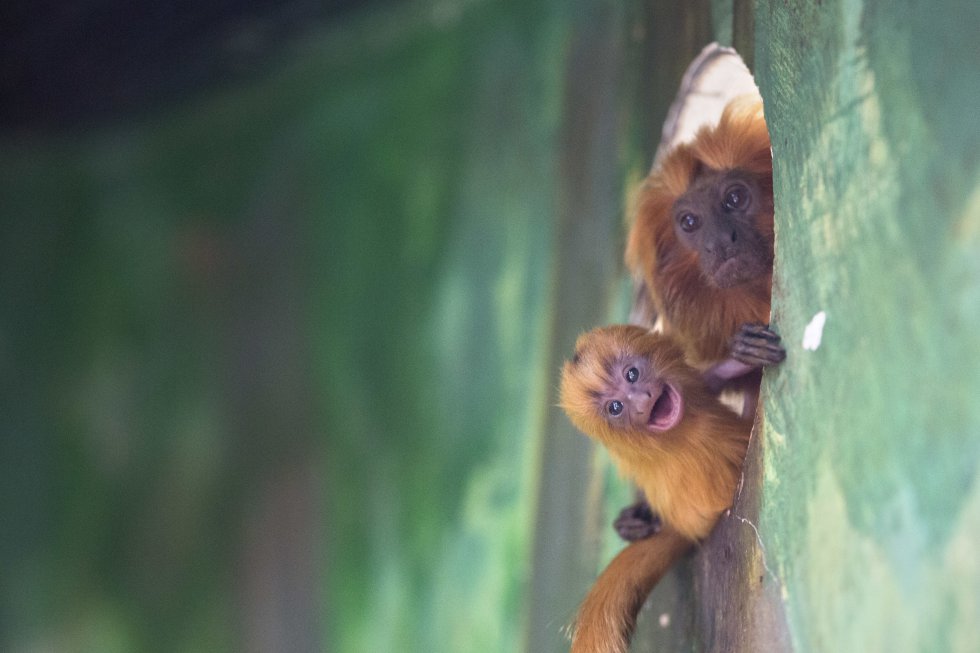
Un mono tamarino león dorado sostiene a su bebé recién nacido en un zoológico en Jerusalén.
"Macacos me mordam ; quem estaa espiando ?!"

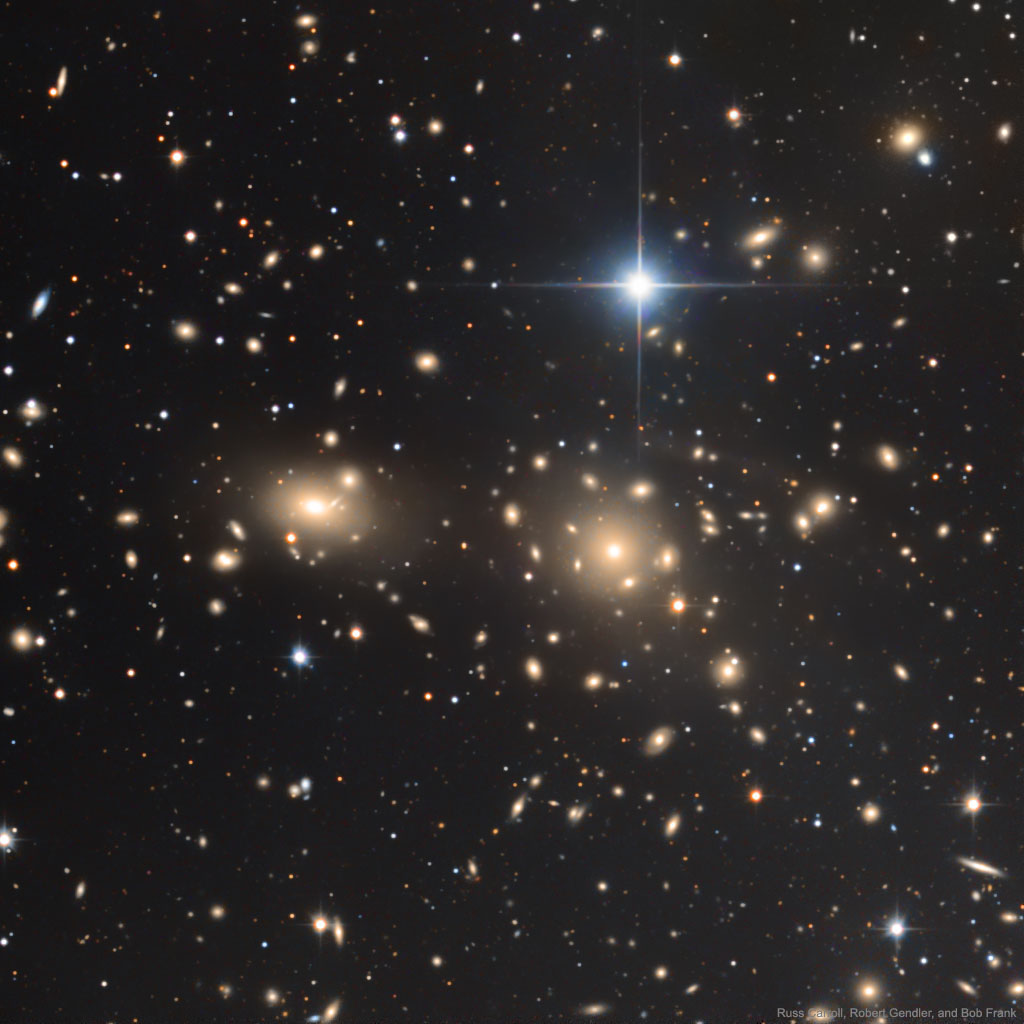
Astronomy picture of the day - 2018 March 26 - The Coma Cluster of Galaxies

See Explanation.  Clicking on the picture will download
 the highest resolution version available.
The Coma Cluster of Galaxies 
Image Credit: Russ CarrollRobert Gendler, & Bob Frank; Dan Zowada Memorial Observatory
Explanation: Almost every object in the above photograph is a galaxy. The Coma Cluster of Galaxies pictured here is one of the densest clusters known - it contains thousands of galaxies. Each of these galaxies houses billions of stars - just as our own Milky Way Galaxy does. Although nearby when compared to most other clusters, light from the Coma Cluster still takes hundreds of millions of years to reach us. In fact, the Coma Cluster is so big it takes light millions of years just to go from one side to the other. Most galaxies in Coma and other clusters are ellipticals, while most galaxies outside of clusters are spirals. The nature of Coma's X-ray emission is still being investigated.