2016-10-16

Imagens de Lisboa - Interiores secretos - Capela da Universidade Lusíada

A noble residence, built in 1740 on Rua da Junqueira in the Belém district, is now occupied by Lusíada University. It maintains a small chapel from 1740, with beautiful tile panels depicting Christ's crucifixion, and four stucco medallions on the ceiling with the images of the four Evangelists. In order to see these works of art that very few get to see, join the Thursday Mass at 1:10PM.
Capela da Universidade Lusíada, Lisboa
Uma casa nobre na Rua da Junqueira em Belém, construída em 1740, é hoje ocupada pela Universidade Lusíada. Mantém uma pequena capela, de 1740, com belíssimos painéis de azulejos ilustrando a crucificação de Cristo, e quatro medalhões no teto com as figuras em estuque dos quatro Evangelistas. Para poder admirar estas obras que muito poucos conhecem, assista à missa às quintas-feiras, às 13H10.

Pictures from my mind - "Bouquet"

"Bouquet"

07-03-2015
JoanMira

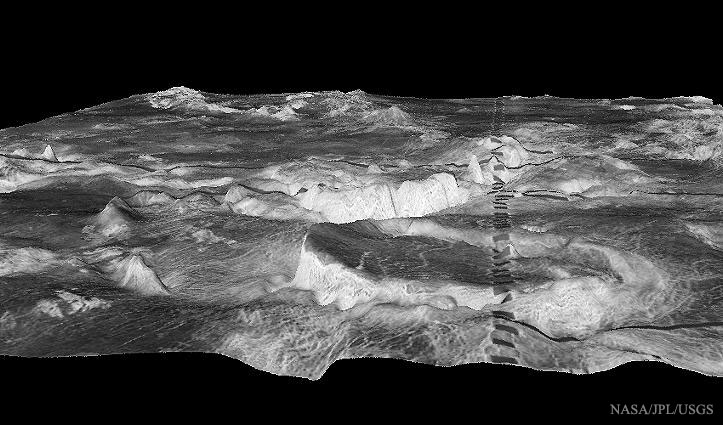
Astronomy picture of the day - 2016 October 16 - Cylindrical Mountains on Venus

See Explanation.  Clicking on the picture will download
 the highest resolution version available.
Cylindrical Mountains on Venus 
Image Credit: Magellan Spacecraft TeamUSGSNASA
Explanation: What could cause a huge cylindrical mountain to rise from the surface of Venus? Such features that occur on Venus are known as coronas. Pictured here in the foreground is 500-kilometer wide Atete Corona found in a region of Venus known as the Galindo. The featured image was created by combining multiple radar maps of the region to form a computer-generated three-dimensional perspective. The series of dark rectangles that cross the image from top to bottom were created by the imaging procedure and are not real. The origin of massive coronas remains a topic of research although speculation holds they result from volcanism. Studying Venusian coronas help scientists better understand the inner structure of both Venus and Earth.

2016-10-15

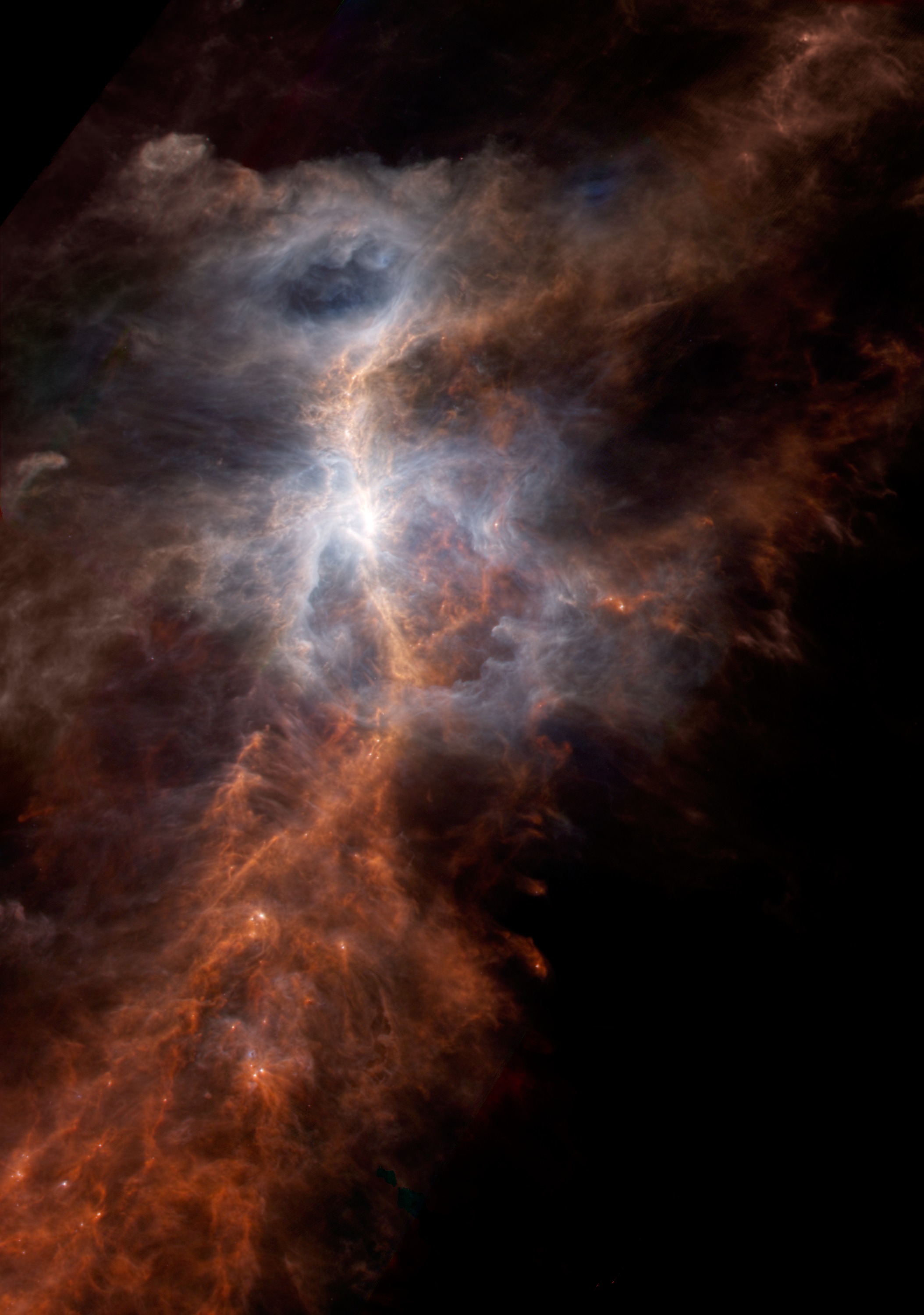
Astronomy picture of the day - 2016 October 15 - Herschel's Orion

See Explanation.  Clicking on the picture will download
 the highest resolution version available.
Herschel's Orion 
Image Credit & CopyrightESA/Herschel/PACS/SPIRE
Explanation: This dramatic image peers within M42, the Orion Nebula, the closest large star-forming region. Using data at infrared wavelengths from the Herschel Space Observatory, the false-color composite explores the natal cosmic cloud a mere 1,500 light-years distant. Cold, dense filaments of dust that would otherwise be dark at visible wavelengths are shown in reddish hues. Light-years long, the filaments weave together bright spots that correspond to regions of collapsing protostars. The brightest bluish area near the top of the frame is warmer dust heated by the hot Trapezium cluster stars that also power the nebula's visible glow. Herschel data has recently indicated ultraviolet starlight from the hot newborn stars likely contributes to the creation of carbon-hydrogen molecules, basic building blocks of life. This Herschel image spans about 3 degrees on the sky. That's about 80 light-years at the distance of the Orion Nebula.

2016-10-14

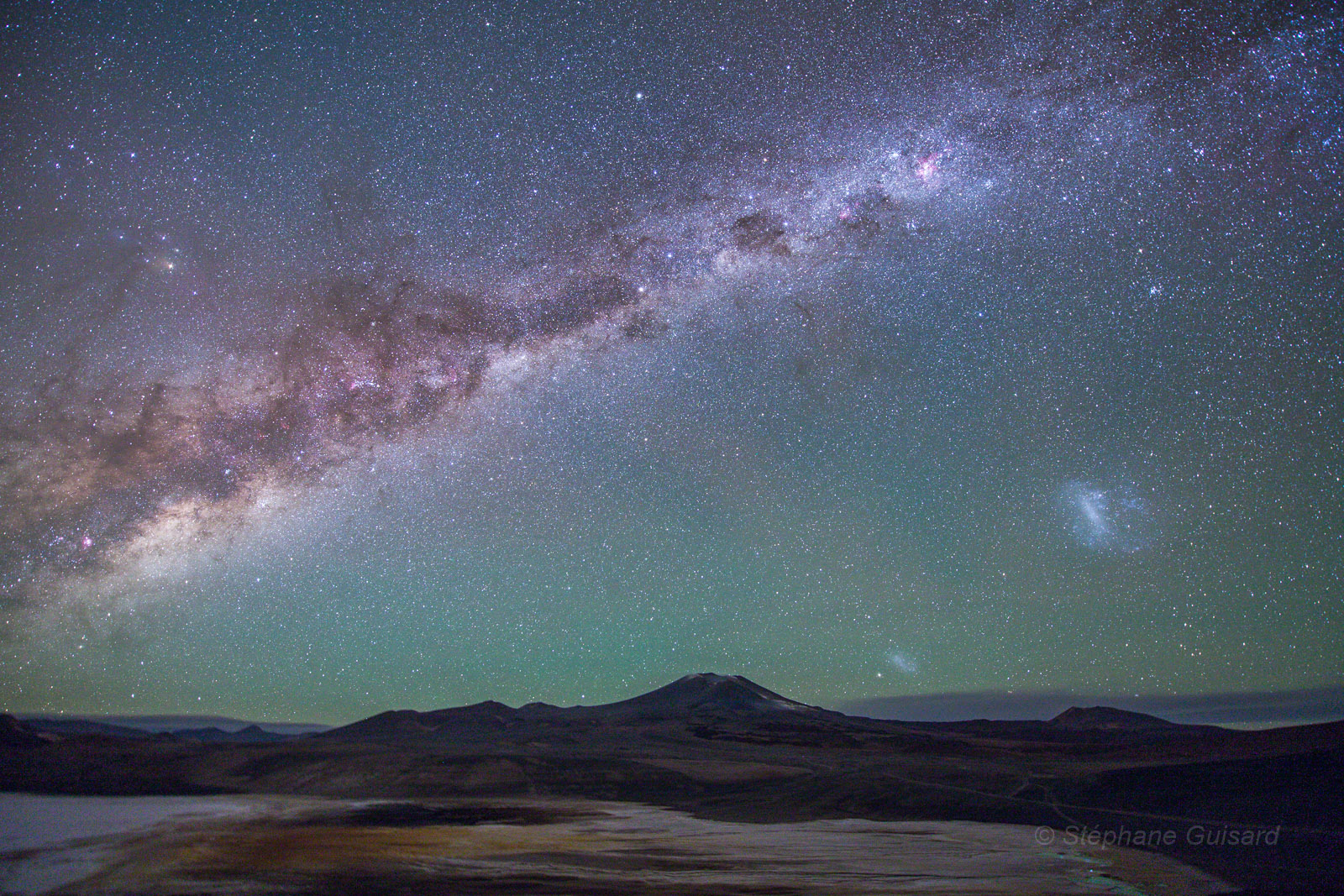
Astronomy picture of the day - 2016 October 14 - Galaxies from the Altiplano

See Explanation.  Clicking on the picture will download
 the highest resolution version available.
Galaxies from the Altiplano 
Image Credit & CopyrightStéphane Guisard (Los Cielos de AmericaTWAN)
Explanation: The central bulge of our Milky Way Galaxy rises over the northern Chilean Atacama altiplano in this postcard from planet Earth. At an altitude of 4500 meters, the strange beauty of the desolate landscape could almost belong to another world though. Brownish red and yellow tinted sulfuric patches lie along the whitish salt flat beaches of the Salar de Aguas Calientes region. In the distance along the Argentina border is the stratovolcano Lastarria, its peak at 5700 meters (19,000 feet). In the clear, dark sky above, stars, nebulae, and cosmic dust clouds in the Milky Way echo the colors of the altiplano at night. Extending the view across extragalactic space, the Large and SmallMagellanic Clouds, satellite galaxies of the Milky Way, shine near the horizon through a faint greenish airglow.

2016-10-12

Serões do Alentejo - "Serpas de Guadalupe" - Slides - Musica

Afficher l'image d'origine
"Serpas de Guadalupe"

Os Panteras - "Verde Minho" - Video - Musica

Afficher l'image d'origine
"Verde Minho"

Imagenes del Mundo - Un ciervo en el parque Richmond en Londres

Un ciervo durante la época de celo en el parque Richmond en Londres (Reino Unido).
TOBY MELVILLE REUTERS

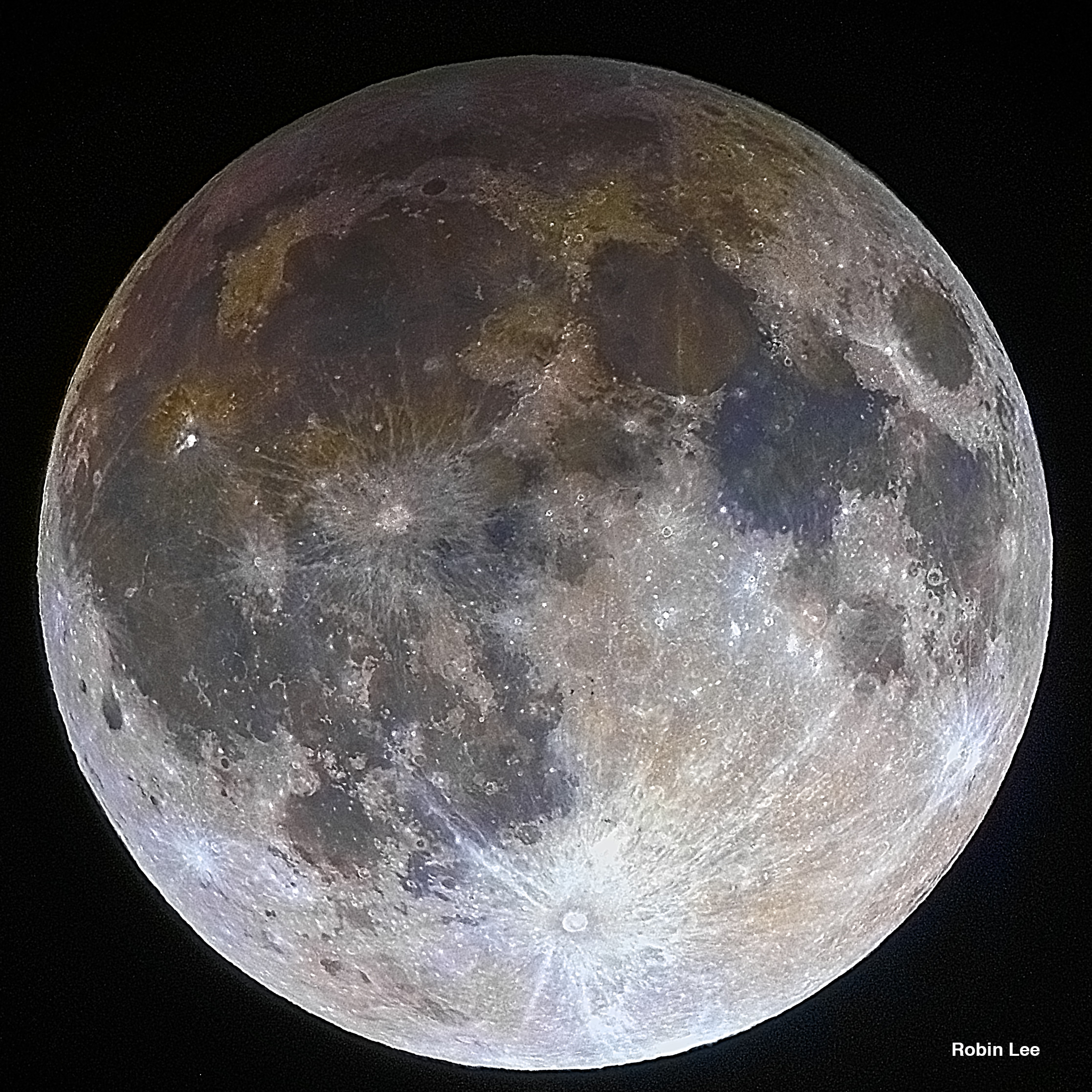
Astronomy picture of the day - 2016 October 12 - Penumbral Lunar Eclipse

See Explanation.
Moving the cursor over the image will bring up an annotated version.
Clicking on the image will bring up the highest resolution version
available.
Penumbral Lunar Eclipse 
Image Credit & Copyright: Robin Lee
Explanation: Does this Moon look a little different to you? Although shown in spectacular detail, the full face of Earth's most familiar satellite appears slightly darker than usual, in particular on the upper left, because it is undergoing apenumbral lunar eclipse. The image was captured in Hong KongChina, on September 16 when the Moon crossed through part of Earth's shadow -- but not the darkest where the Earth shades the entire Sun. A lunar eclipse can only occur during a full moon, and many know this particular full moon as the Harvest moon for its proximity to northern harvests. The next full moon will occur this coming Sunday. Some cultures refer to it as a Leaf Falling Moon, named for its proximity to northern autumn. The second full moon of the same month ("moonth") is sometimes called a Blue moon; meanwhile, this month features a rare second new moon, an event known to some as a Black moon.

2016-10-11

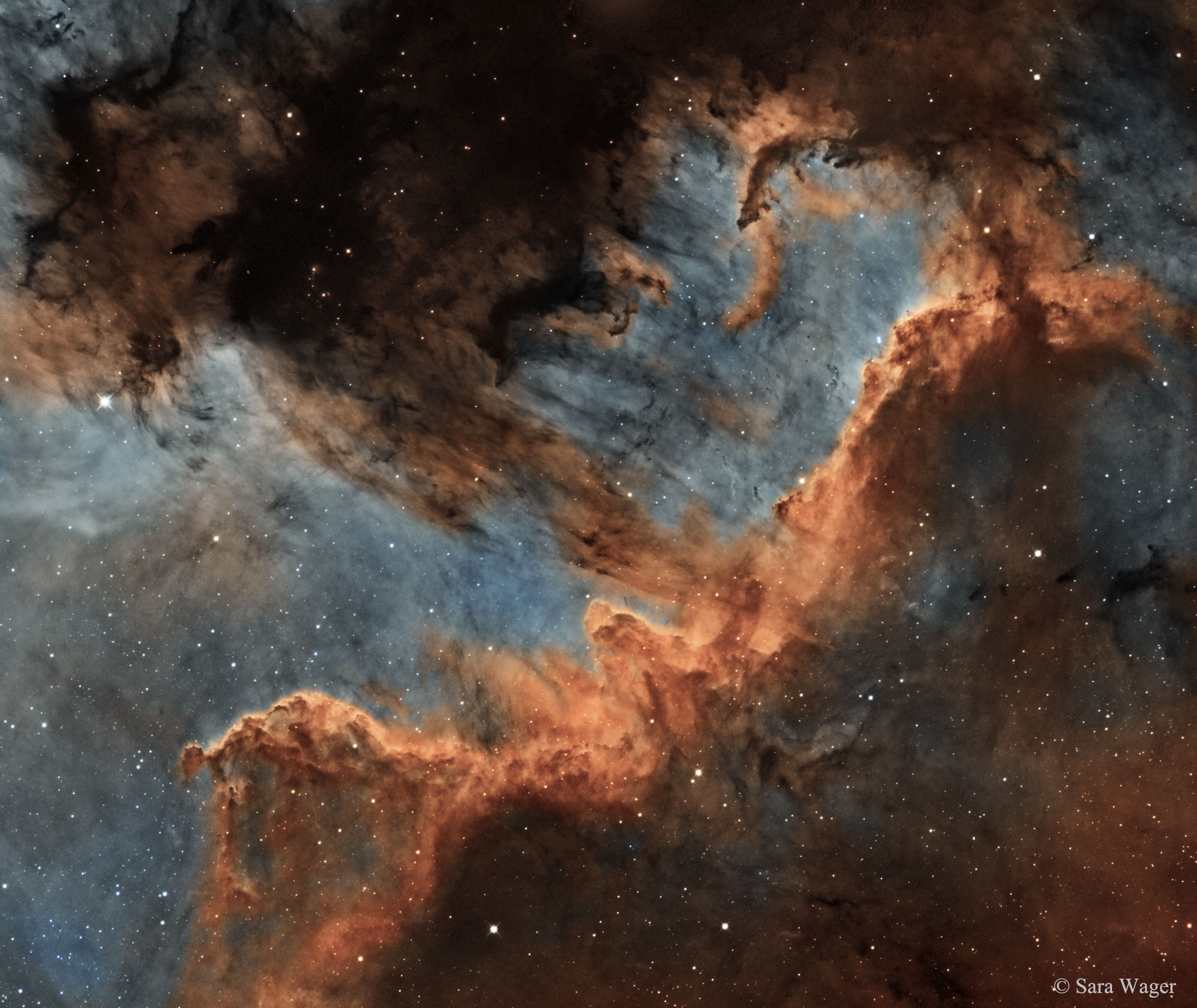
Astronomy picture of the day - 2016 October 11 - The Cygnus Wall of Star Formation

See Explanation.  Clicking on the picture will download
 the highest resolution version available.
The Cygnus Wall of Star Formation 
Image Credit & Copyright: Sara Wager
Explanation: Sometimes, stars form in walls -- bright walls of interstellar gas. In this vivid skyscape, stars are forming in the W-shaped ridge of emission known as the Cygnus Wall. Part of a larger emission nebula with a distinctive outline popularly called The North America Nebula, the cosmic ridge spans about 20 light-years. Constructed using narrowband data to highlight the telltale reddish glow from ionized hydrogen atoms recombining with electrons, the image mosaic follows an ionization front with fine details of dark, dusty forms in silhouette. Sculpted by energetic radiation from the region's young, hot, massive stars, the dark shapes inhabiting the view are clouds of cool gas and dust with stars likely forming within. The North America Nebula itself, NGC 7000, is about 1,500 light-years away.