2018-01-24

Sesimbra, Portugal - Fotos


Sesimbra, 30-03-2017
JoanMira

Joe Francis Dowd - "Caminhos" - Aguarela

"Caminhos" 

Astronomy picture of the day - 2018 January 24 - The Tadpoles of IC 410

See Explanation.  Clicking on the picture will download
 the highest resolution version available.
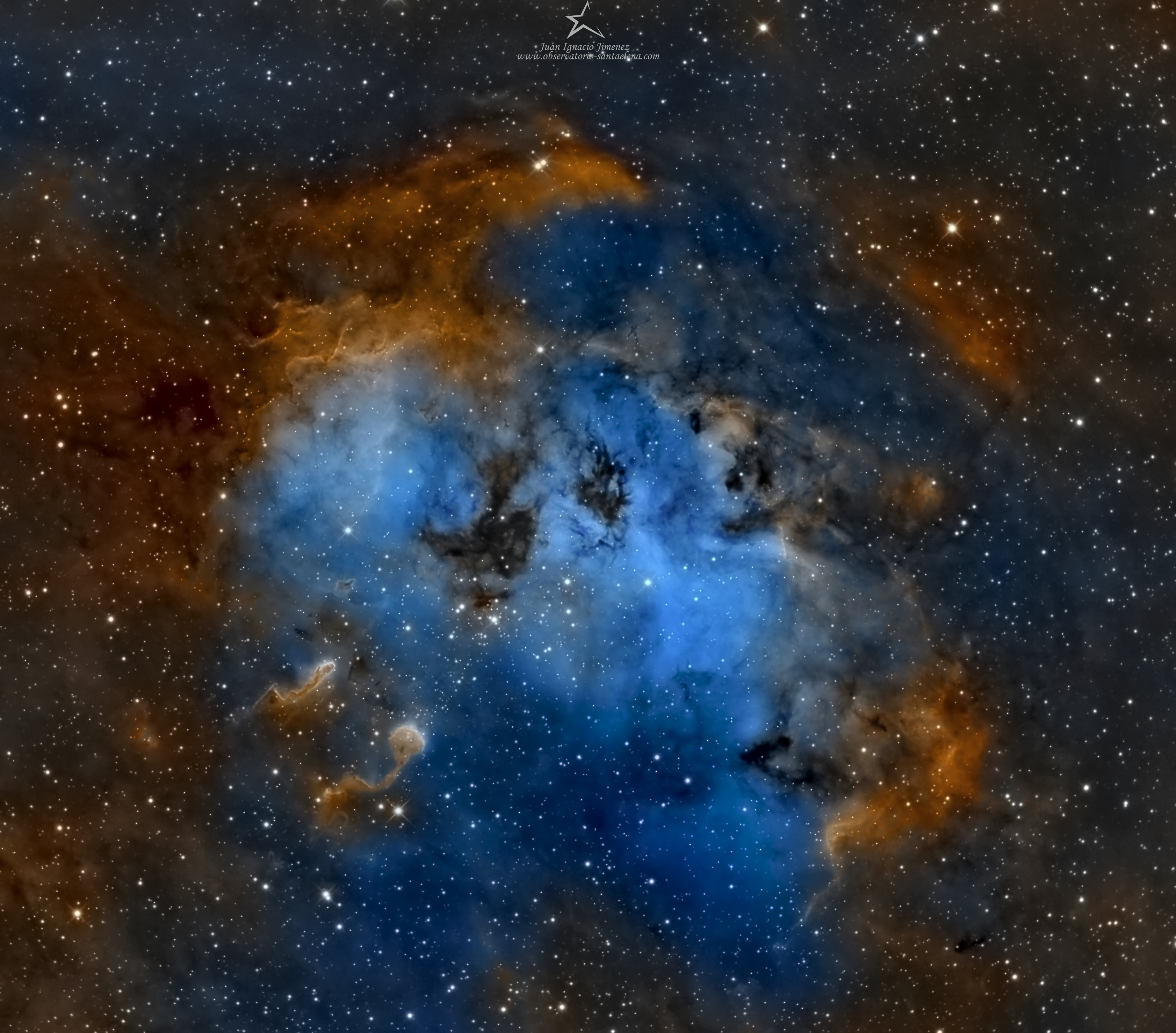
The Tadpoles of IC 410 
Image CreditJuan Ignacio Jimenez
Explanation: This telescopic close-up shows off the otherwise faint emission nebula IC 410. It also features two remarkable inhabitants of the cosmic pond of gas and dust below and left of center, the tadpoles of IC 410. Partly obscured by foreground dust, the nebula itself surrounds NGC 1893, a young galactic cluster of stars. Formed in the interstellar cloud a mere 4 million years ago, the intensely hot, bright cluster stars energize the glowing gas. Composed of denser cooler gas and dust, the tadpoles are around 10 light-years long and are likely sites of ongoing star formationSculpted by winds and radiation from the cluster stars, their heads are outlined by bright ridges of ionized gas while their tails trail away from the cluster's central region. IC 410 lies some 10,000 light-years away, toward the nebula-rich constellation Auriga.

2018-01-23

Myo Win Ong - "Segredos do Oriente" - Aguarela

"Segredos do Oriente" 

Astronomy picture of the day - 2018 January 23 - Ribbons and Pearls of Spiral Galaxy NGC 1398

See Explanation.  Clicking on the picture will download
 the highest resolution version available.
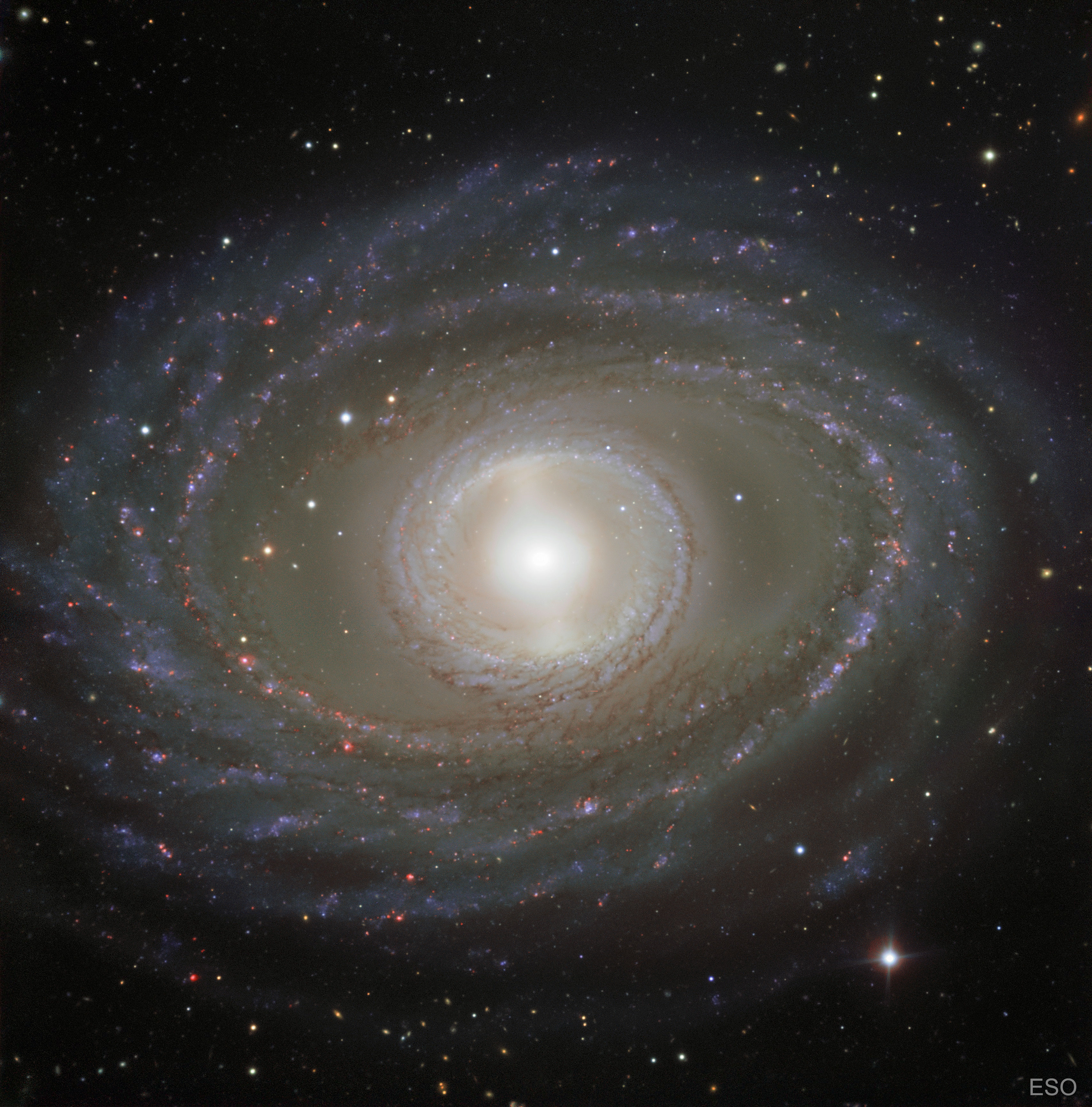
Ribbons and Pearls of Spiral Galaxy NGC 1398 
Image Credit: European Southern Observatory
Explanation: Why do some spiral galaxies have a ring around the center? Spiral galaxy NGC 1398 not only has a ring of pearly stars, gas and dust around its center, but a bar of stars and gas across its center, and spiral arms that appear like ribbons farther out. The featured image was taken with ESO's Very Large Telescope at the Paranal Observatory in Chile and resolves this grand spiral in impressive detail. NGC 1398 lies about 65 million light years distant, meaning the light we see today left this galaxy when dinosaurs were disappearing from the Earth. The photogenic galaxy is visible with a small telescope toward the constellation of the Furnace (Fornax). The ring near the center is likely an expanding density wave of star formation, caused either by a gravitational encounter with another galaxy, or by the galaxy's own gravitational asymmetries.

2018-01-22

Joseph Zbukvich - "Tardes calmas" - Aguarela

Tardes calmas 

Astronomy picture of the day - 2018 January 22 - An Immersive Visualization of the Galactic Center

An Immersive Visualization of the Galactic Center 
Video Credit: NASACXCPontifical Catholic Univ. of ChileC. Russell et al.
Explanation: What if you could look out from the center of our Galaxy -- what might you see? Two scientifically-determined possibilities are shown in the featured video, an immersive 360-degree view which allows you to look around in every direction. The pictured computer simulation is based on infrared data from ESO's Very Large Telescope in Chile and X-ray data from NASA's orbiting Chandra X-ray Observatory. As the video starts, you quickly approach Sgr A*, the supermassive black hole in the Galactic center. Then looking out, this 500-year time-lapse simulation shows glowing gas and many points of light orbiting all around you. Many of these points are young Wolf-Rayet stars that have visible hot winds blowing out into surrounding nebulas. Clouds approaching close become elongated, while objects approaching too close fall in. Toward the video's end the simulation repeats, but this time with the dynamic region surrounding Sgr A* expelling hot gas that pushes back against approaching material.

2018-01-21

Thierry Duval - "O Charme de Paris" - Aguarela


O Charme de Paris

Astronomy picture of the day - 2018 January 21 - The Upper Michigan Blizzard of 1938

See Explanation.  Clicking on the picture will download
 the highest resolution version available.
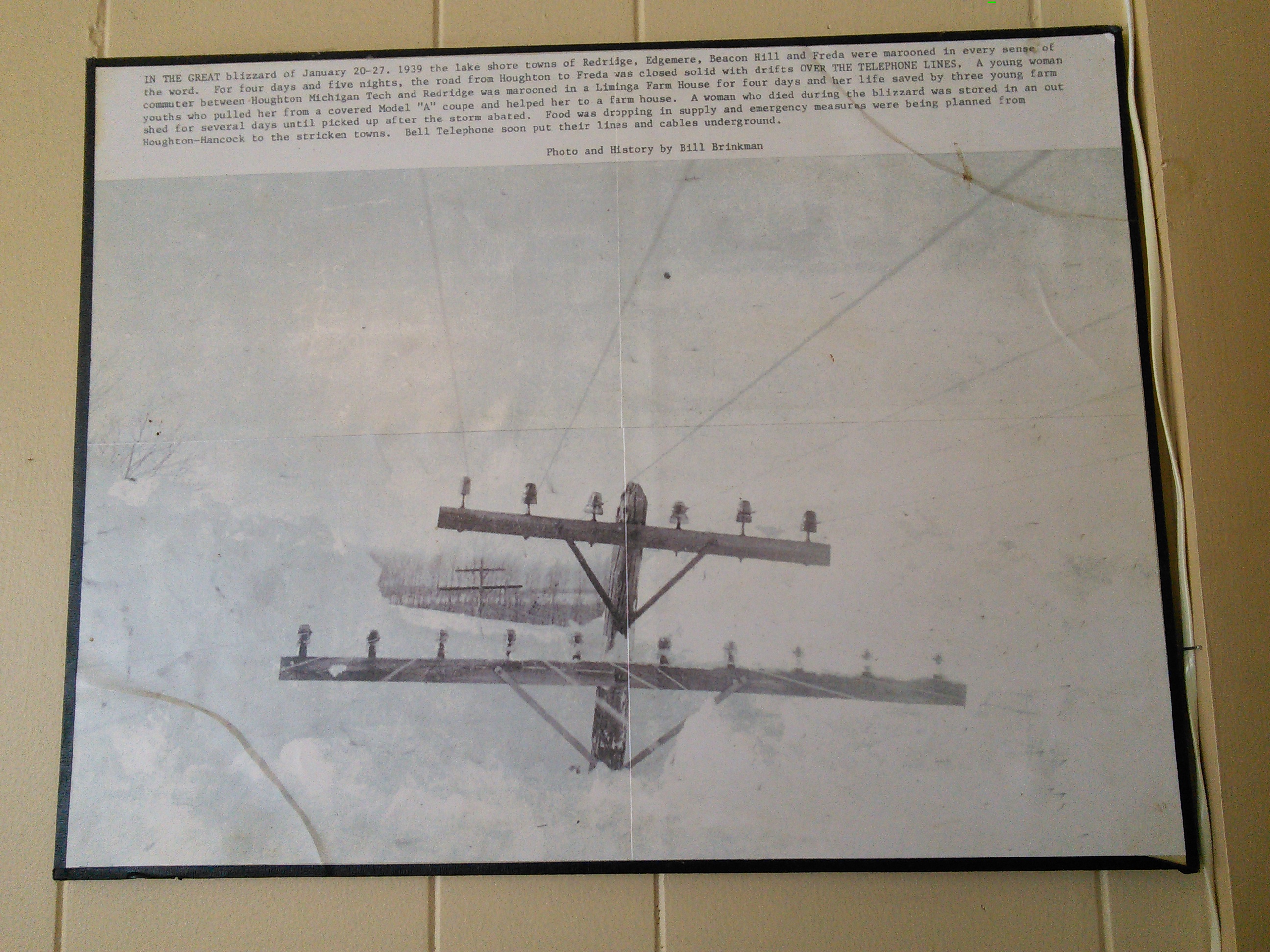
The Upper Michigan Blizzard of 1938 
Image Credit: Bill Brinkman; Courtesy: Paula Rocco
Explanation: Yes, but can your blizzard do this? In Upper Michigan's Storm of the Century in 1938, some snow drifts reached the level of utility poles. Nearly a meter of new and unexpected snow fell over two days in a storm that started 80 years ago this week. As snow fell and gale-force winds piled snow to surreal heights; many roads became not only impassable but unplowable; people became stranded; cars, school buses and a train became mired; and even a dangerous fire raged. Fortunately only two people were killed, although some students were forced to spend several consecutive days at school. The featured image was taken by a local resident soon after the storm. Although all of this snow eventually melted, repeated snow storms like this help build lasting glaciers in snowy regions of our planet Earth.