2015-06-10

Astronomy picture of the day - 2015 June 10 - The Milky Way over the Temple of Poseidon

See Explanation.
Moving the cursor over the image will bring up an annotated version.
Clicking on the image will bring up the highest resolution version
available.
The Milky Way over the Temple of Poseidon 
Image Credit & Copyright: Alexandros MaragosRollover Annotation: Judy Schmidt
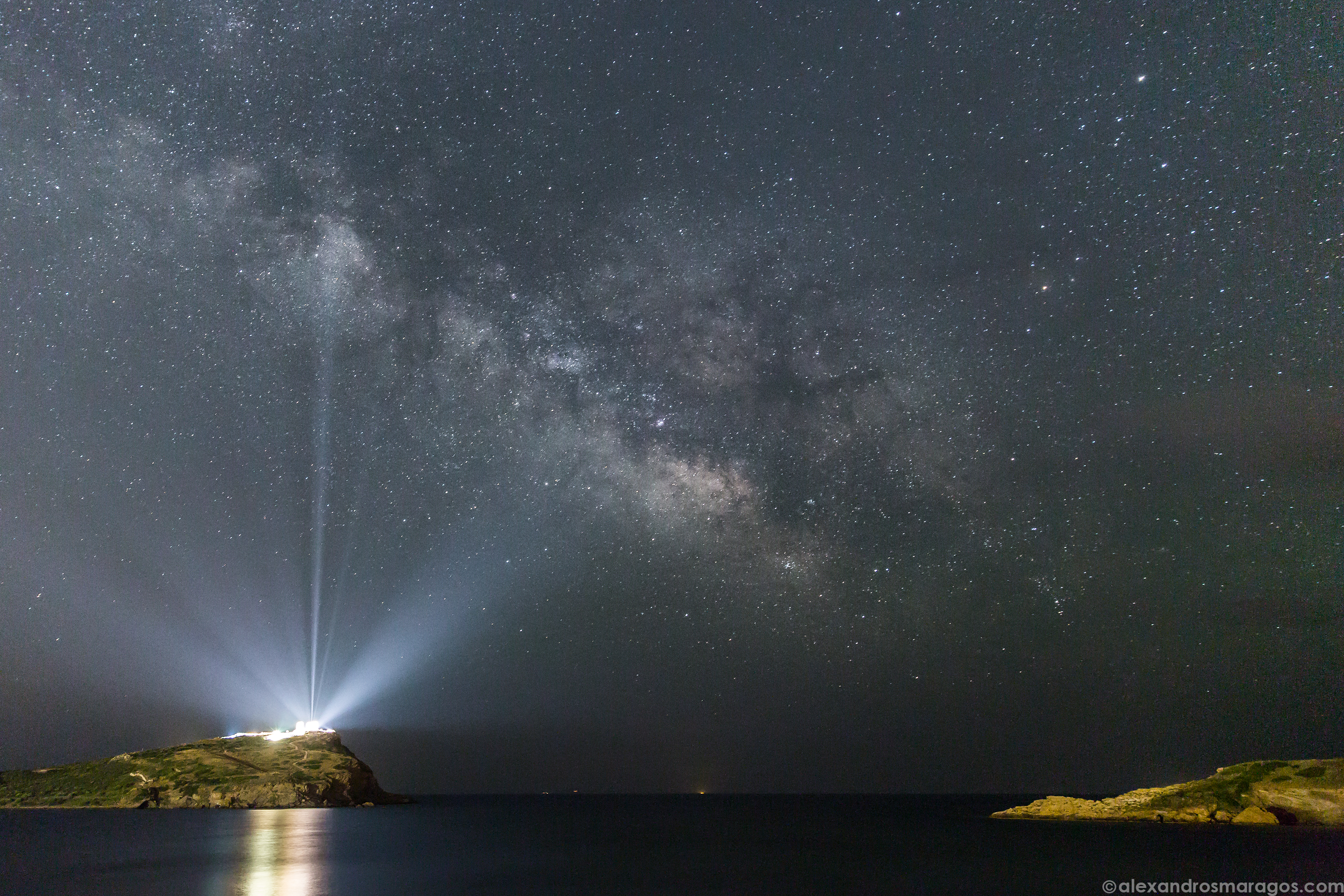
Explanation: What's that glowing in the distance? Although it may look like a lighthouse, the rays of light near the horizon actually emanate from the Temple of Poseidon at Cape SounionGreece. Some temple lights are even reflected in the Aegean Sea in the foreground. Although meant to be a monument to the sea, in this image, the temple's lights seem to be pointing out locations on the sky. For example, the wide ray toward the right fortuitously points toward theLagoon Nebula in the central band of our Milky Way, which runs diagonally down the image from the upper left. Also, the nearly vertical beam seems to point toward the star clouds near the direction of the Wild Duck open cluster of stars. The featured image was taken less than three weeks ago.

2015-06-07

Foto - Toulouse - "Rue Bahour-Lormian"

"Rue Bahour-Lormian"

02-03-2015
JoanMira

Astronomy picture of te day - 2015 June 7 - NGC 3132: The Eight Burst Nebula

2015 June 7
See Explanation.  Clicking on the picture will download
 the highest resolution version available.
NGC 3132: The Eight Burst Nebula 
Image Credit: NASAESA, and the Hubble Heritage Team (STScI/AURA)
Explanation: It's the dim star, not the bright one, near the center of NGC 3132 that created this odd but beautiful planetary nebula. Nicknamed the Eight-Burst Nebula and the Southern Ring Nebula, the glowing gas originated in the outer layers of a star like our Sun. In this representative color picture, the hot blue pool of light seen surrounding this binary system is energized by the hot surface of the faint star. Although photographed to explore unusual symmetries, it's the asymmetries that help make this planetary nebula so intriguing. Neither the unusual shape of the surrounding cooler shell nor the structure and placements of the cool filamentary dust lanes running across NGC 3132 are well understood.

Ivete Sangalo - "Quando a chuva passar" - Video - Musica - Ao vivo


"Quando a chuva passar"

2015-06-06

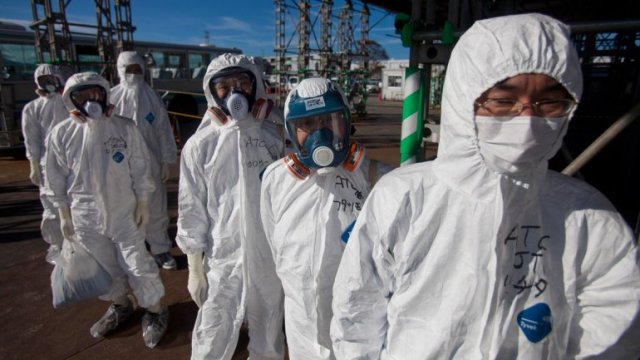
Radioactividad: El peligro que escondem a nosuetros


1fukushima

El mal uso de los elementos atómicos y el desecho de los mismos han puesto en peligro a poblaciones enteras en varios lugares del planeta. Los efectos nocivos de la radioactividad son acumulativos.
Una exposición mínima pero continua, se convierte en peligrosa después de cierto tiempo, lo que puede ser fatal para el ser humano y demás seres vivos.
El genio humano, en pos de generar grandes cantidades de energía a un considerable bajo costo o en su afán por generar armas de destrucción masiva, ocasionaron terribles alteraciones en el medio ambiente.
Investigando un poco más en el asunto uno se da cuenta de dos cosas: la primera, hay un pequeño error cuando en internet se habla de las zonas más radiactivas del planeta, ya que en realidad se están refiriendo más bien a las áreas más contaminadas por radiactividad. Puede parecer lo mismo, pero hay una sutil diferencia: en la Tierra existen numerosos lugares con un nivel alto de radiactividad, mayor aún que la que encontramos en las zonas que en breve describiremos, pero en ellos la radiactividad se encuentra controlada por el hombre o proviene de la naturaleza. Alguno de estos lugares puede ser, por ejemplo, el interior de cualquier reactor de las aproximadamente 450 centrales nucleares que hoy en día se encuentran en funcionamiento, o las playas de Guarapari, en Brasil. Aquí, por tanto, nos referiremos a zonas donde la causa de la radiactividad se debe a la intervención del hombre, bien en forma de catástrofes en centrales nucleares o bien en forma de desechos de productos radiactivos.
Y lo segundo que uno observa es que ninguna de las fuentes consultadas aporta datos numéricos relevantes sobre el nivel de radiactividad actual, por lo que la comparación directa para situar cada lugar correctamente en dicha clasificación es complicada y puede dar lugar a mucho debate.
Conoce los lugares que debido a accidentes o pruebas con materiales radiactivos han quedado marcados para siempre. La contaminación radiactiva se basa en la manipulación incorrecta de sustancias nucleares que representan un peligro constante para el medio ambiente y los seres vivos. 
Fot'Arte - "Olhar" - 07-03-2015

"Olhar"

Toulouse, 07-03-2015
JoanMira

Aconteceu a 6 de junho

 1502 - Nascimento de D. João III      Faleceu a 11 de Junho de 1557
A 6 de Junho de 1502, nasce, em Lisboa, D. João III, cognominado O Piedoso ou O Pio pela sua devoção religiosa. Foi o décimo-quinto Rei de Portugal. Era filho do rei Manuel I de Portugal e de Maria de Aragão, princesa de Espanha. Sucedeu a seu pai em 1521.
Texto online recomendado: D. João III e asua época, in Revista da Armada, Setembro e Outubro 2002, p. 161
1 Depois de aceder à Revista, procure, do lado esquerdo, a miniatura 306 e clique-a.
 

 1944 – II Guerra Mundial: dia D - Início da invasão da Normandia
A França estava ocupada pelos nazis desde 1940. A 6 de Junho de 1944, forças dos Estados Unidos, Reino Unido e outros países aliados desembarcam na Normandia, a fim de libertar o território francês do domínio alemão. Essa data ficou conhecida na história como a Batalha da Normandia ou dia D.
Fonte: Diário de Lisboa n.º 7734, 2.ª Edição, de 06-06-1944, 24.º ano de publicação, pp. 1, 4, 5 e 8
  

Astronomy picture of the day - 2015 June 6 - Into the Void

See Explanation.  Clicking on the picture will download
 the highest resolution version available.
Into the Void 
Image Credit: NASAGemini Project, James McDivitt
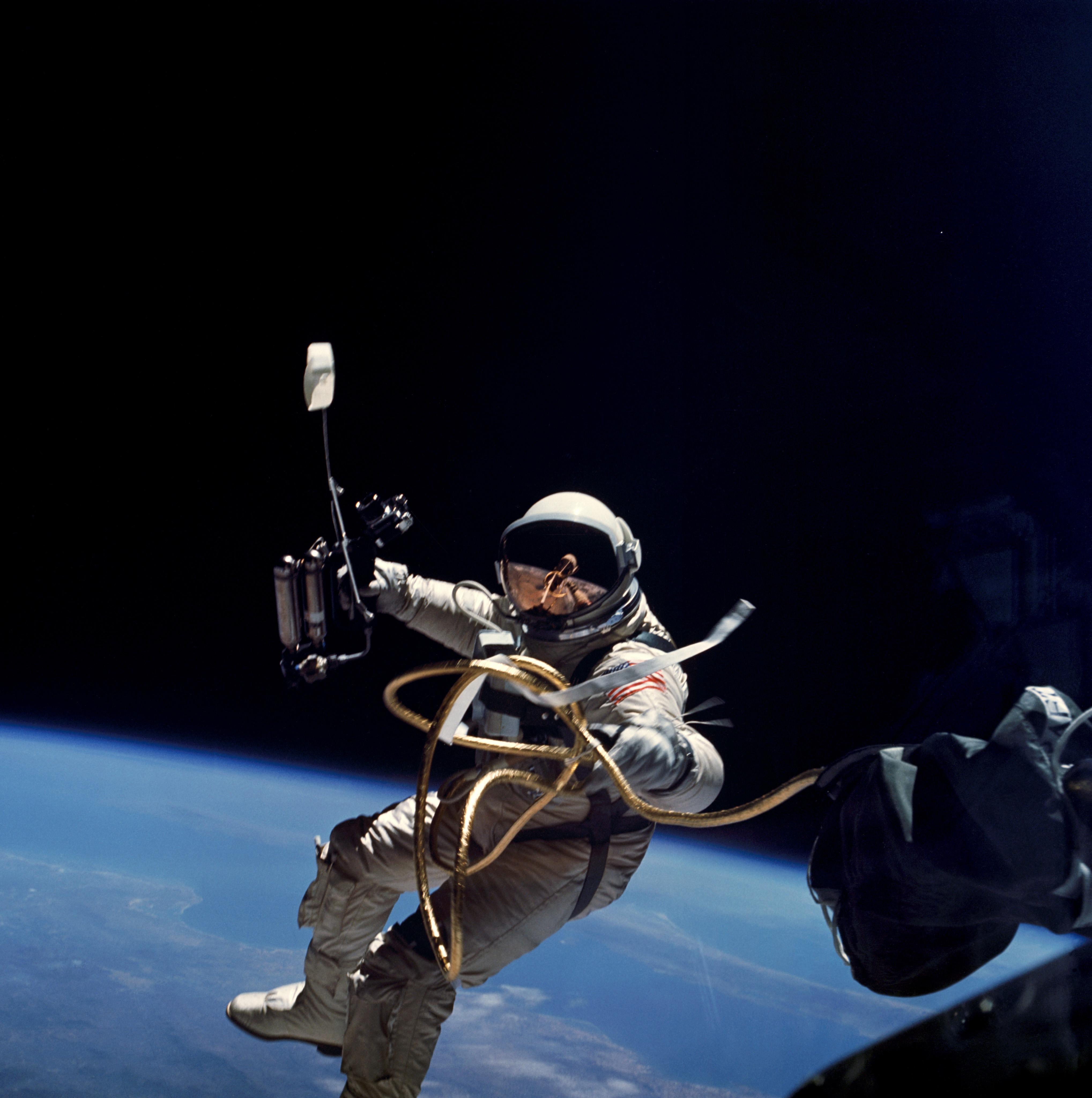
Explanation: Fifty years ago, on June 3, 1965, Edward White stepped out of the orbiting Gemini 4 spacecraft to become the first US astronaut to walk in space. White is captured in this photo taken by mission commander James McDivit from inside the capsule as White's spacewalk began over the Pacific Ocean on Gemini 4's third orbit. Planet Earth, spacecraft, and tether are reflected in White's gold tinted helmet visor. A gas powered manuevering gun is held in his right hand. Though the gun ran out of gas after only 3 minutes, he continued to manuever by twisting his body and pulling on the tether for the remainder of the 23 minute long Extra Vehicular Activity. White later described hishistoric spacewalk as the most comfortable part of the mission, and said the order to end it was the "saddest moment" of his life.

Classicos de Ouro do Cinema Português - "A canção de Lisboa"

A Canção de Lisboa
"A canção de Lisboa"
Vasco Leitão, estudante de medicina, sobrevive na capital à custa da mesada das tias de Trás-os-Montes, que nunca vieram a Lisboa e o consideram um aluno exemplar. Todavia, o alegre estudante prefere às aulas os retiros e os arraiais, as cantigas populares e as mulheres bonitas.
Release date: 7 November 1933