2015-11-22

TEXTO - "Lino" - Roberto Carlos - "Amigo"

"Amigo"

Como não associar o Adelino Pereira a Roberto Carlos... Tantas são as recordações felizes de tardes, noite adentro até à aurora quando ja nada bolia no nosso mundo imediato... Ganhavamos sempre por desistência ou por falta de resistência 

Ela não nos faltava! E o Lino cantava Roberto e iamos bebendo uns copos!

Bastava uma anedota parva para que a risada fosse imediata e unânime (entre nos, claro, porque para outros, o sono era imprescindivel!). E aurora chegando ainda tinhamos faculdade de rir, como dois parvonias,  com  anedotas cretinas, simples que so a gente compreendia...

Ressonava-se ao lado... As mulheres ja não podiam mais...E repentinamente, levanta-se o Lino: "Vamos beber um copo"!!! Vamos la, ecoei!

Bordeaux, 22-11-2015
JoanMira

Fotos - Marseille - "Le Vieux Port" - 22-11-2015


"Le vieux port"

Marseille, 22-11-2015
NiMira

Fotos do passado - Paris - 26 de agosto de 1944

El París de Capa

Robert Capa, uno de los fundadores de la agencia Magmun, tomó esta instantánea en París el 26 de agosto de 1944, un día después de la liberación de París. La imagen es una de las incluidas en el libro 'París Magnum', editado por La Fábrica.

Las razas de perros mas raras en el mundo - 1) Lundehund noruego


1) Lundehund noruego
Es físicamente diferente a cualquier otro: ¡tiene seis dedos en cada pata! La raza fue creada alrededor del siglo XV para la caza del frailecillo, un pájaro típico de Noruega. El sexto dedo fue añadido para aumentar su agarre a las rocas y evitar que se cayera. Otra particularidad está en la unión de sus huesos. Son capaces de girar la cabeza hacia atrás sobre la columna vertebral y de estirar las patas hasta quedar en 90 grados, como los brazos de los humanos.

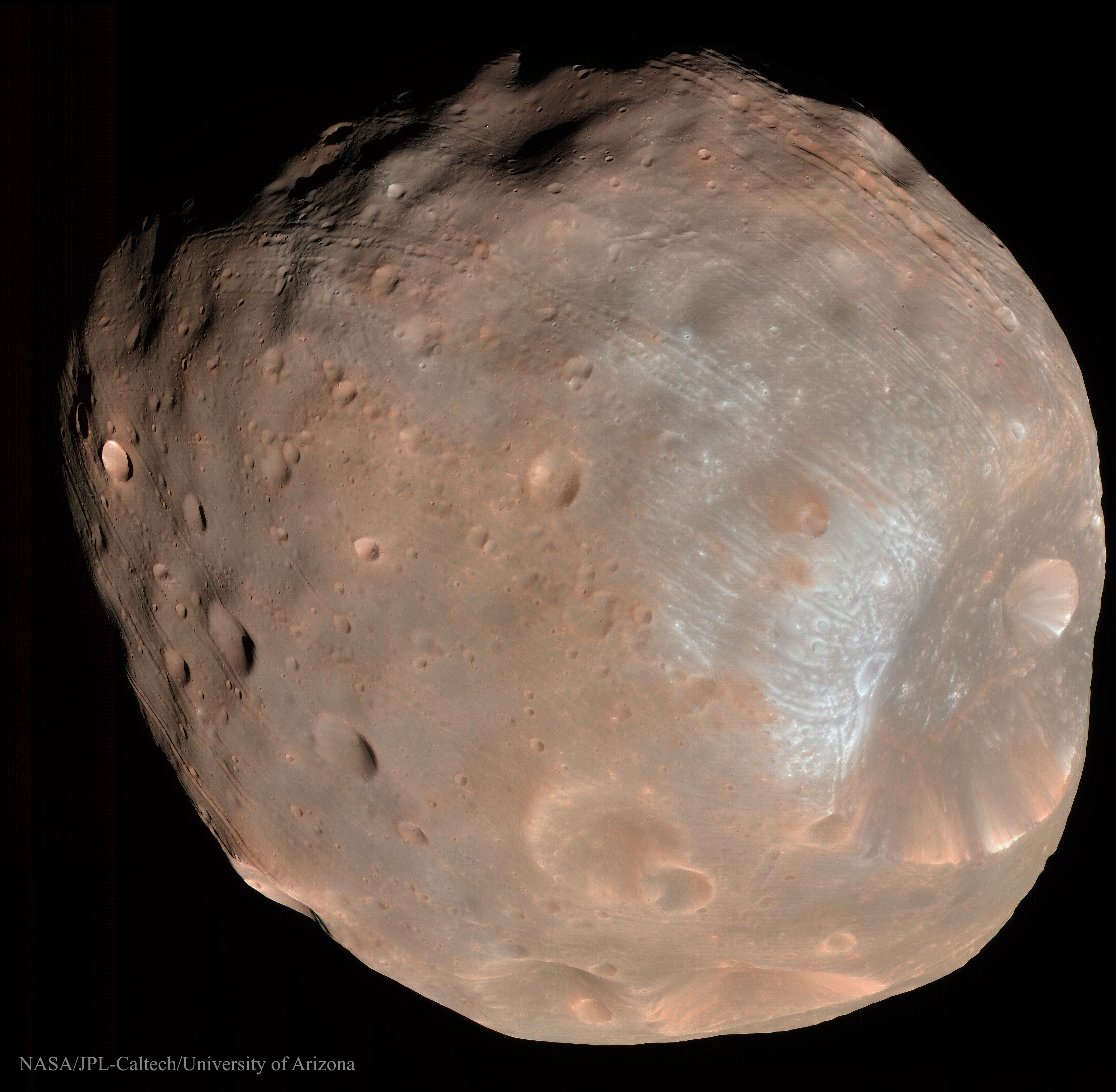
Astronomy picture of the day - 22-11-2015 - Phobos: Doomed Moon of Mars

2015 November 22
See Explanation.  Clicking on the picture will download
 the highest resolution version available.
Phobos: Doomed Moon of Mars 
Image Credit: HiRISEMROLPL (U. Arizona)NASA
Explanation: This moon is doomed. Mars, the red planet named for the Roman god of war, has two tiny moons, Phobos and Deimos, whose names are derived from the Greek for Fear and Panic. These martian moons may well be captured asteroids originating in the main asteroid belt between Mars and Jupiter or perhaps from even more distant reaches of the Solar System. The larger moon, Phobos, is indeed seen to be a cratered, asteroid-like object in thisstunning color image from the robotic Mars Reconnaissance Orbiter, recorded at a resolution of about seven meters per pixel. But Phobos orbits so close to Mars - about 5,800 kilometers above the surface compared to 400,000 kilometers for our Moon - that gravitational tidal forces are dragging it down. A recent analysis of the long grooves indicates that they may result from global stretching caused by tides -- the differing force of Mars' gravity on different sides of Phobos. These grooves may then be an early phase in the disintegration of Phobos into a ring of debris around Mars.

2015-11-21

Fotos - "Barreiro dormitando" - 18-07-2011

"Barreiro dormitando"

18-07-2011
JoanMira

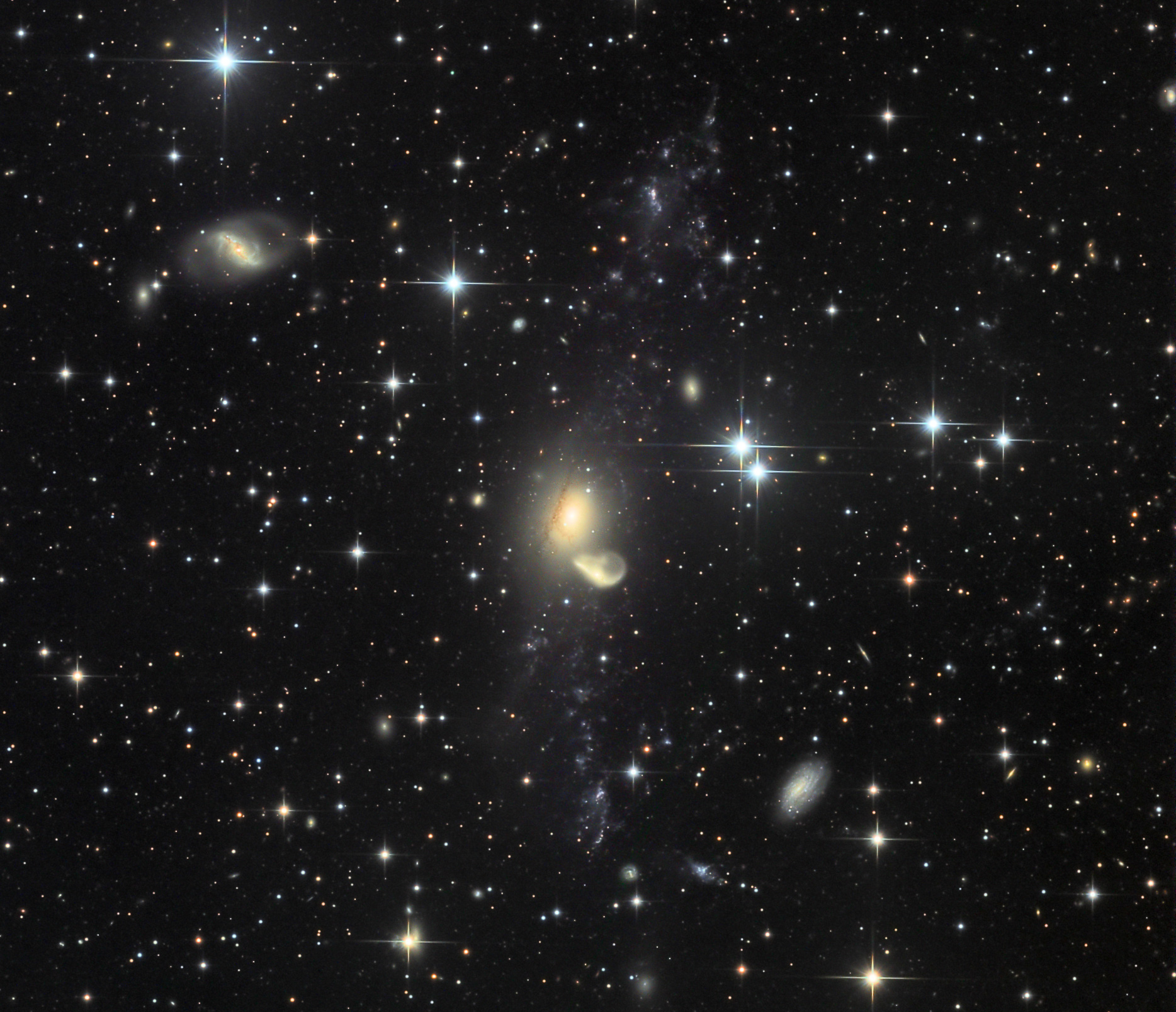
Astronomy picture of the day - 2015 November 21 - Recycling NGC 5291

See Explanation.  Clicking on the picture will download
 the highest resolution version available.
Recycling NGC 5291 
Image Credit & CopyrightCHART32 TeamProcessing - Johannes Schedler
Explanation: Following an ancient galaxy-galaxy collision 200 million light-years from Earth, debris from a gas-rich galaxy, NGC 5291, was flung far into intergalactic space. NGC 5291 and the likely interloper, also known as the "Seashell" galaxy, are captured near the center of this spectacular scene. The sharp, ground-based telescopic image looks toward the galaxy cluster Abell 3574 in the southern constellation Centaurus. Stretched along the 100,000 light-year long tidal tails, are clumps resembling dwarf galaxies, but lacking old stars, apparently dominated by young stars and active star forming regions. Found to be unusually rich in elements heavier than hydrogen and helium, the dwarf galaxies were likely born in intergalactic space, recycling the enriched debris from NGC 5291 itself.

Pintura - Thor Vickstrom - "Lumière du Nord"

Lumiere du nord, Art Students League. Grande Peinture a l'huile sur toile, Impressionniste
"Lumière du Nord"

Now, it's time to say goodbye.Ciao!


Ciao, ciao, ciao...

Fotos - "Barreiro do passado" (Portugal)

"Barreiro do passado"