2016-01-28

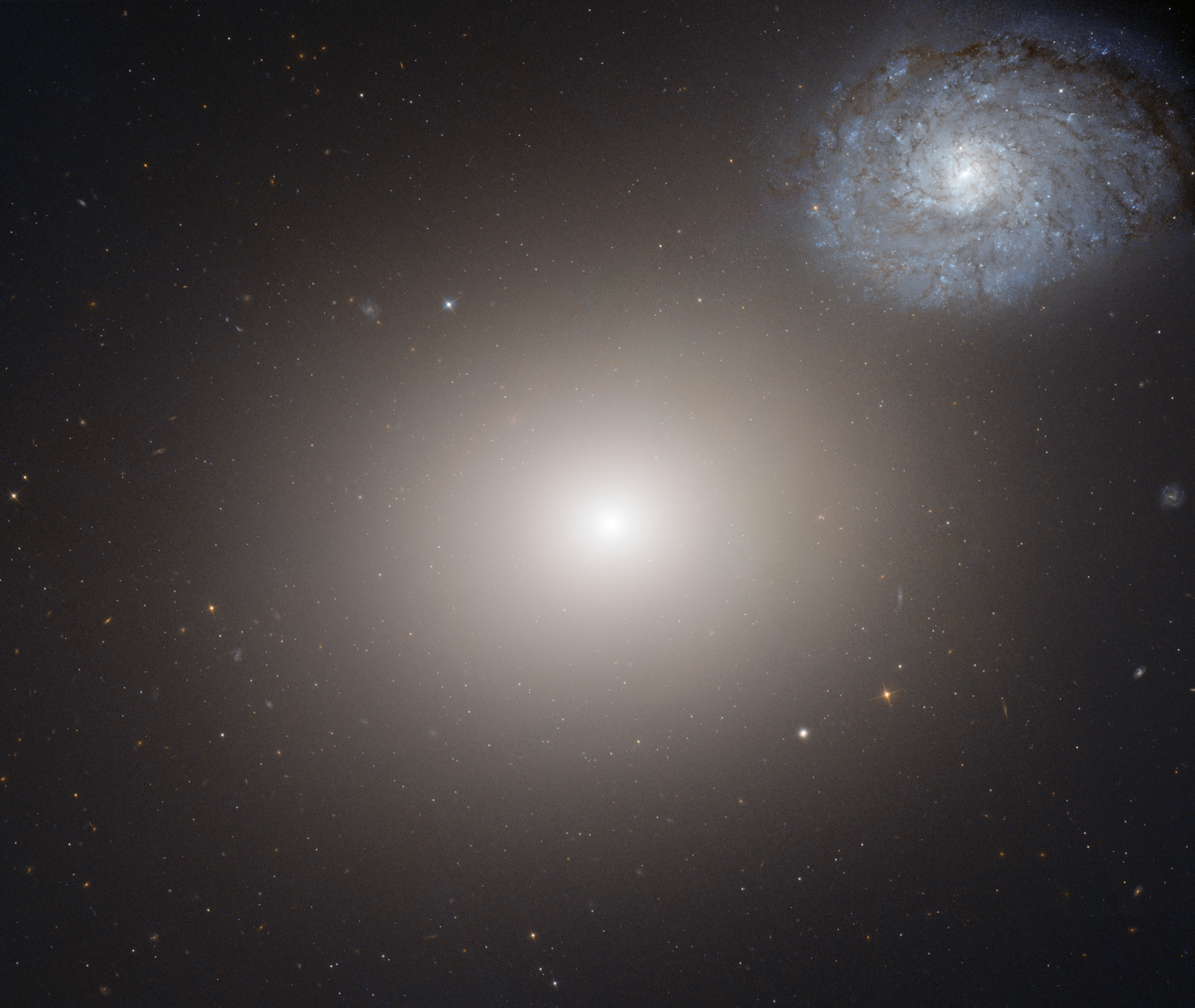
Astronomy picture of the day - 2016 January 28 - Elliptical M60, Spiral NGC 4647

See Explanation.  Clicking on the picture will download
 the highest resolution version available.
Elliptical M60, Spiral NGC 4647 
Image Credit & CopyrightNASAESAHubble Heritage Team (STScI/AURA)
Explanation: Giant elliptical galaxy M60 and spiral galaxy NGC 4647 do look like an odd couple in this sharp cosmic portrait from the Hubble Space Telescope. But they are found in a region of space where galaxies tend to gather, on the eastern side of the nearby Virgo Galaxy Cluster. About 54 million light-years distant, bright M60's simpler egg-like shape is created by its randomly swarming older stars, while NGC 4647's young blue stars, gas and dust are organized into winding arms rotating in a flattened disk. Spiral NGC 4647 is estimated to be more distant than M60, some 63 million light-years away. Also known as Arp 116, the pair of galaxies may be on the verge of a significant gravitational encounter, though. M60 (aka NGC 4649) is about 120,000 light-years across. The smaller NGC 4647 spans around 90,000 light-years, about the size of our own Milky Way.

2016-01-27

Imagens do Mundo - Wallasey - Grã Bretanha


Una mujer pasea su perro junto al Faro de Perch Rocka frente a la playa de New Brighton, cerca de Wallasey en Gran Bretaña.

Astronomy picture of the day - 2016 January 27 - An Airglow Fan from Lake to Sky

See Explanation.
Moving the cursor over the image will bring up an annotated version.
Clicking on the image will bring up the highest resolution version
available.
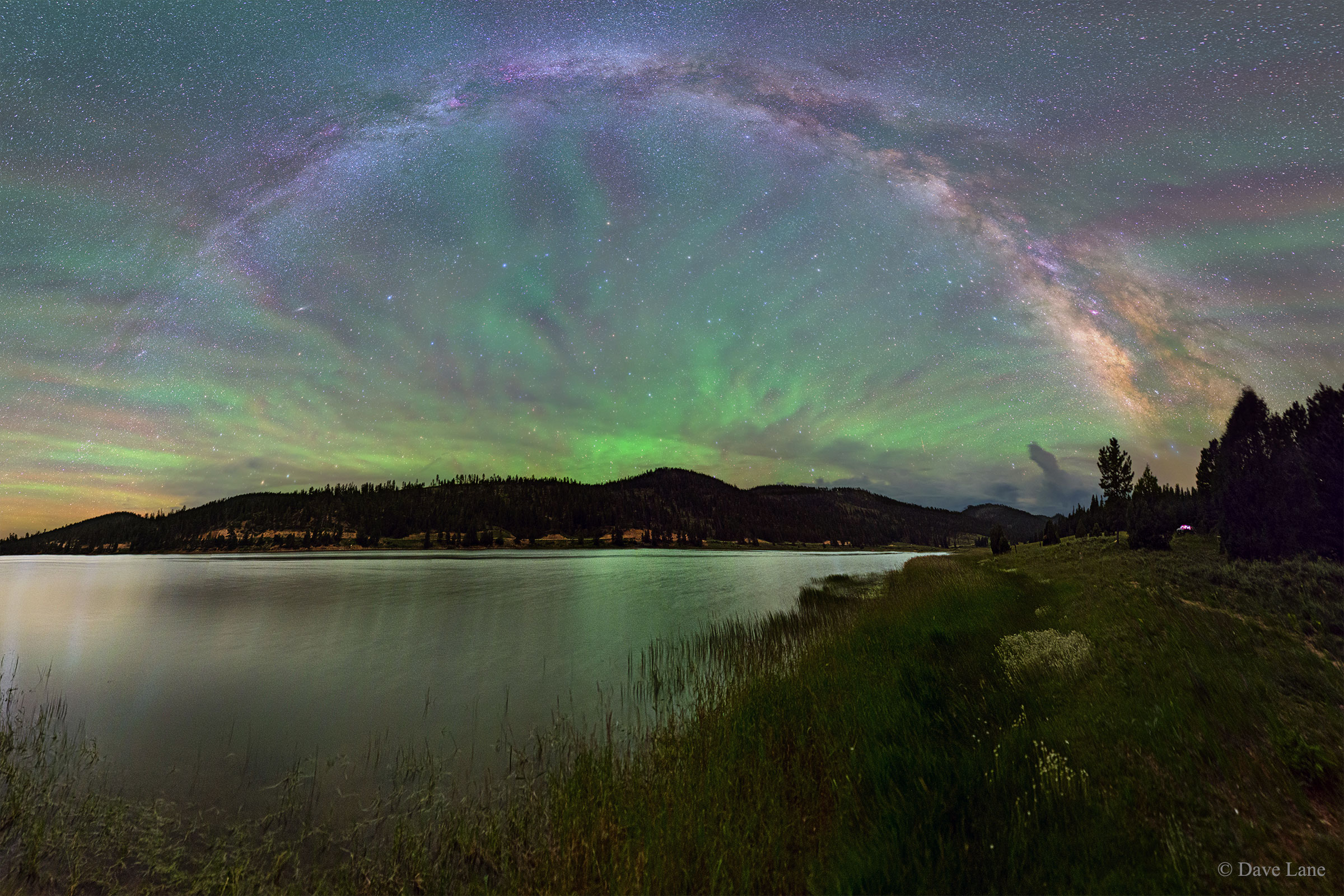
An Airglow Fan from Lake to Sky 
Image Credit & Copyright: Dave LaneRollover Annotation: Judy Schmidt
Explanation: Why would the sky look like a giant fan? Airglow. The featured intermittent green glow appeared to rise from a lake through the arch of our Milky Way Galaxy, as captured last summer next to Bryce Canyon in Utah, USA. The unusual pattern was created by atmospheric gravity waves, ripples of alternating air pressure that can grow with height as the air thins, in this case about 90 kilometers up. Unlike auroras powered by collisions with energetic charged particles and seen at high latitudes, airglow is due to chemiluminescence, the production of light in a chemical reaction. More typically seen near the horizon, airglow keeps the night sky from ever being completely dark.

2016-01-26

Pénétrez à l'intérieur d'un tableau de Salvador Dali - Video


Depuis le 23 janvier, le musée Salvador-Dalí, installé à St. Petersburg en Floride, propose à ses visiteurs de pénétrer à l’intérieur du tableau Réminiscence archéologique de l’Angélus de Millet, peint en 1935 par l’artiste catalan.
L’établissement utilise une vidéo à 360 degrés et des casques de réalité virtuelle “afin que ses clients se déplacent littéralement dans une représentation en trois dimensions du chef-d’œuvre de l’artiste”.

Astronomy picture of the day - 2016 January 26 - A Candidate for the Biggest Boom Yet Seen

See Explanation.  Clicking on the picture will download
 the highest resolution version available.
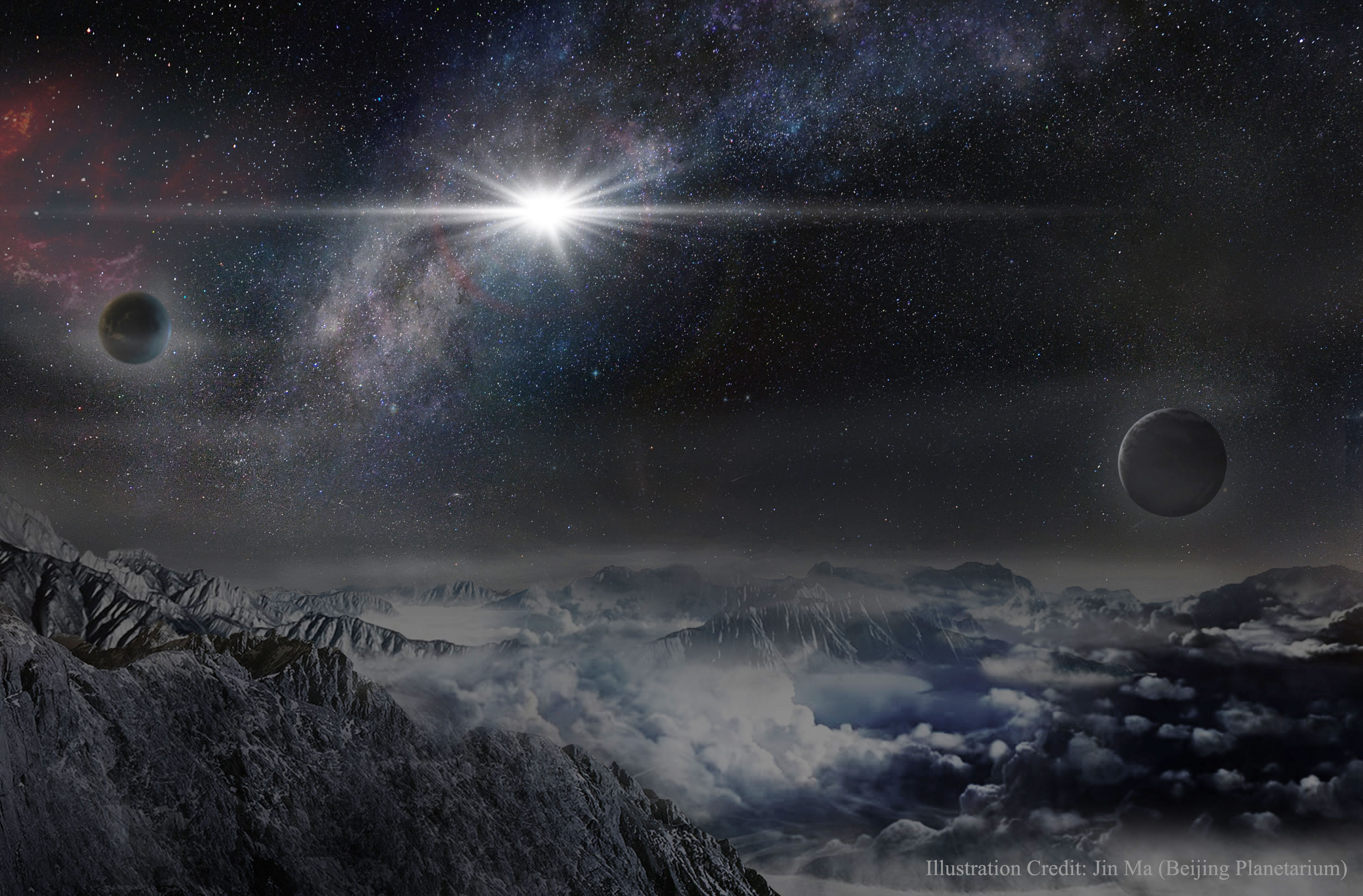
A Candidate for the Biggest Boom Yet Seen 
Illustration Credit: Jin Ma (Beijing Planetarium)
Explanation: It is a candidate for the brightest and most powerful explosion ever seen -- what is it? The flaring spot of light was found by the All Sky Automated Survey for Supernovae (ASASSN) in June of last year and labelledASASSN-15lh. Located about three billion light years distant, the source appears tremendously bright for anything so far away: roughly 200 times brighter than an average supernova, and temporarily 20 times brighter than all of the stars in our Milky Way Galaxy combined. Were light emitted by ASASSN-15lh at this rate in all directions at once, it would be the most powerful explosion yet recorded. No known stellar object was thought to create an explosion this powerful, although pushing the theoretical limits for the spin-down of highly-magnetized neutron star -- a magnetar -- gets close. Assuming the flare fades as expected later this year, astronomers are planning to use telescopes includingHubble to zoom in on the region to gain more clues. The above-featured artist's illustration depicts a hypothetical night sky of a planet located across the host galaxy from the outburst.

2016-01-25

Efemérides - 25 de janeiro de 1942 - Nascimento de Eusébio da Silva Ferreira


25 DE JANEIRO

 1942 - Nascimento de Eusébio da Silva Ferreira
A 25 de Janeiro de 1942, nasce, em Moçambique, nos subúrbios da cidade de Lourenço Marques (actual Maputo), o futebolista português Eusébio da Silva Ferreira.


 1946 - Morte de Afonso Lopes Vieira      Nasceu a 26 de Janeiro de 1878
A 25 de Janeiro de 1946, morre, em Lisboa, o poeta Afonso Lopes Vieira. Foi um dos primeiros representantes do Neogarretismo e esteve ligado ao movimento cultural Renascença Portuguesa.
Fonte: Diário Popular n.º 8321, de 25-01-1946, 25º ano de publicação, p. 1


 1967 - Morte de D. Sebastião Soares de Resende, Bispo da Beira      Nasceu a 14 de Junho de 1906
A 25 de Janeiro de 1967, morre, vitimado por doença cancerosa, D. Sebastião Soares de Resende, Bispo da Beira. Foi um acérrimo defensor dos direitos humanos.
Fonte: Diário Popular n.º 8720, de 25-01-1967, 25º ano de publicação, p. 1 e 8

Em 1944, recém-chegado de Moçambique, D. Sebastião Soares de Resende teve a coragem de denunciar que, nas roças do algodão da região da Beira, havia trabalhadores numa situação de escravatura, obrigados a laborar debaixo de pancadaria. Quando participou, em Roma, no Concílio Vaticano II, condenou, nas suas intervenções, as ditaduras e o colonialismo.

Marcelo Rebelo de Sousa eleito Presidente da Republica Portuguesa

Afficher l'image d'origine

Marcelo Rebelo de Sousa eleito Presidente da Republica Portuguesa. Cavacuo - e a sua mal-humorada mulher - vai Para o infinito e mais além...


Viagem para o (Ca) vacuo!!!

Astronomy picture of the day - 2016 January 25 - Proxima Centauri: The Closest Star

See Explanation.  Clicking on the picture will download
 the highest resolution version available.
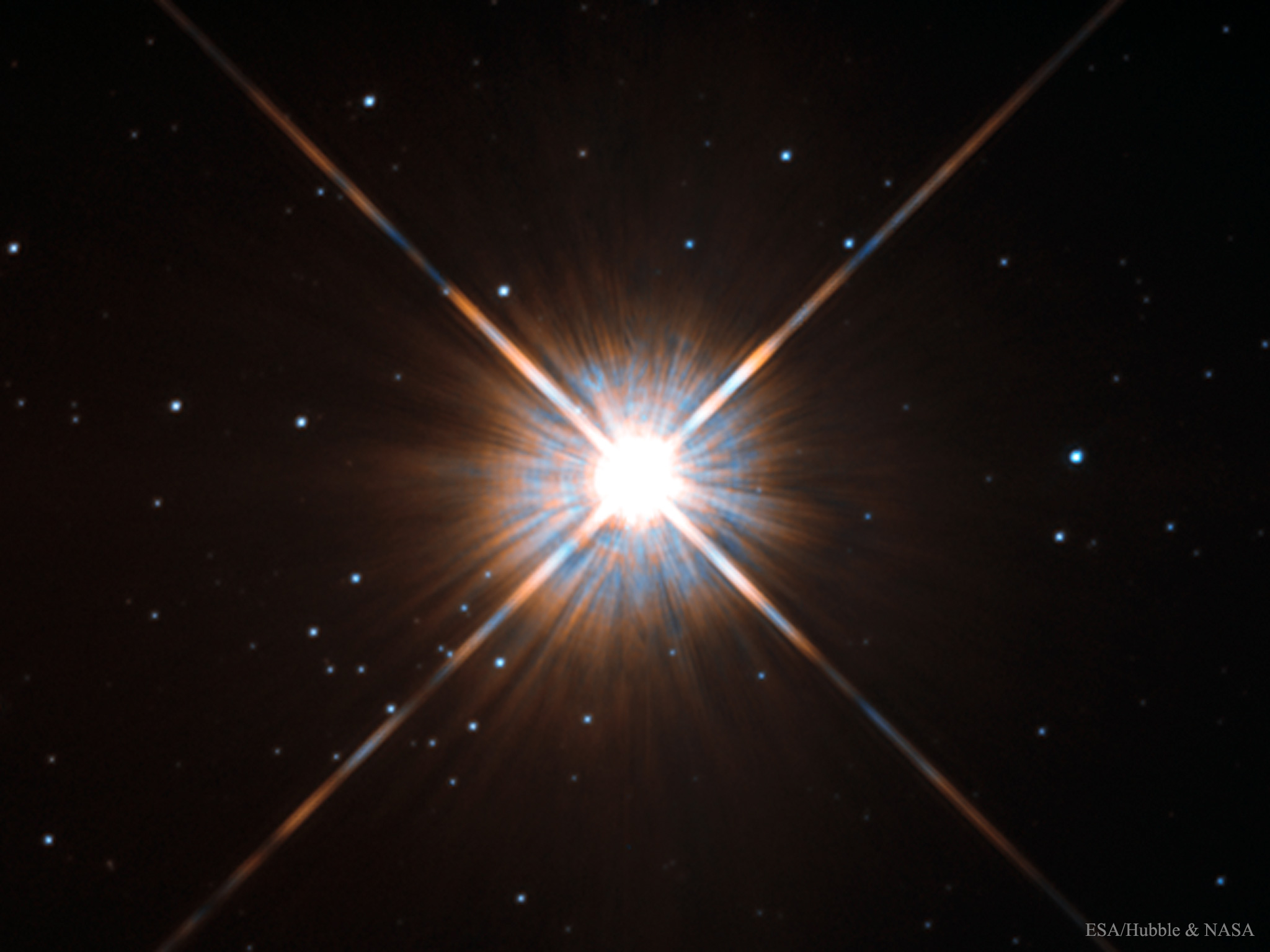
Proxima Centauri: The Closest Star 
Image Credit: ESA/Hubble & NASA
Explanation: Does the closest star to our Sun have planets? No one is sure -- but you can now follow frequent updates of a new search that is taking place during the first few months of this year. The closest star, Proxima Centauri, is the nearest member of the Alpha Centauri star system. Light takes only 4.24 years to reach us from Proxima Centauri. This small red star, captured in the center of the featured image by the Hubble Space Telescope, is so faint that it was only discovered in 1915 and is only visible through a telescope. Telescope-created X-shaped diffraction spikes surround Proxima Centauri, while several stars further out in our Milky Way Galaxy are visible in the background. The brightest star in the Alpha Centauri system is quite similar to our Sun, has been known as long as recorded history, and is the third brightest star in the night sky. The Alpha Centauri system is primarily visible from Earth's Southern Hemisphere. Starting last week, the European Southern Observatory's Pale Red Dot project began investigating slight changes in Proxima Centauri to see if they result from a planet -- possibly an Earth-sized planet. Although unlikely, were a modern civilization found living on a planet orbiting Proxima Centauri, its proximity makes it a reasonable possibility that humanity could communicate with them.

2016-01-24

Imagens do Mundo - Tempestade de neve nos Estados Unidos

Una mujer camina por una calle nevada en Filadelfia (EE UU).

Astronomy picture of the day - 2016 January 24 - Star Cluster R136 Bursts Out

See Explanation.  Clicking on the picture will download
 the highest resolution version available.
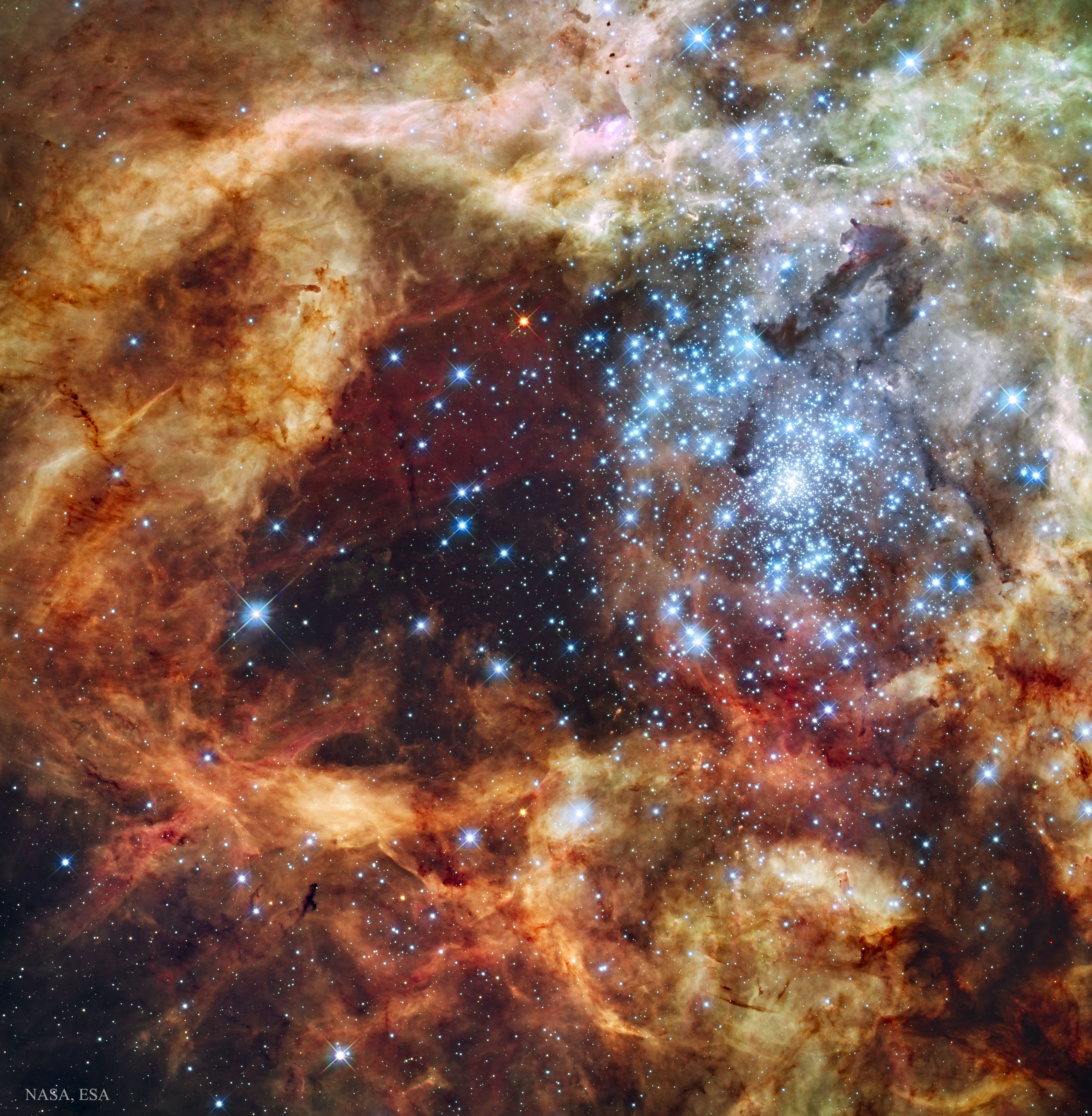
Star Cluster R136 Bursts Out 
Image Credit: NASAESA, & F. Paresce (INAF-IASF), R. O'Connell (U. Virginia), & the HST WFC3 Science Oversight Committee
Explanation: In the center of star-forming region 30 Doradus lies a huge cluster containing some of the largest, hottest, and most massive stars known. These stars, known collectively as star cluster R136, were captured in the featured image in visible light by the Wide Field Camera 3 in 2009 peering through the Hubble Space Telescope. Gas and dust clouds in 30 Doradus, also known as the Tarantula Nebula, have been sculpted into elongated shapes by powerfulwinds and ultraviolet radiation from these hot cluster stars. The 30 Doradus Nebula lies within a neighboring galaxy known as the Large Magellanic Cloud and is located a mere 170,000 light-years away.