2016-02-04

Expressões populares portuguesas - "Até vir a mulher da fava rica"

    Afficher l'image d'origine

"Olha a fava riiiiiiiiica!" foi dos últimos pregões a ouvir-se em Lisboa, já o século XX tinha começado. Estas frases gritadas, com que os vendedores ambulantes anunciavam os seus produtos, soavam nas ruas da capital logo às primeiras horas da manhã. As mulheres que apregoavam a fava rica percorriam alguns dos bairros mais populares da cidade, como a Graça ou a Madragoa, de panela à cabeça, e o pregão servia para anunciar a sopa quente de fava que vendiam para confortar os estômagos de quem se levantava cedo para ir trabalhar. Ou de quem estava a chegar a casa depois de uma noite de trabalho. A sopa era tão boa que havia mesmo quem não se importasse de esperar - às vezes muito - que chegasse a mulher da fava-rica. Consta que valia a pena! 
Os ingredientes da receita incluíam fava seca, demolhada durante longas horas, cozida e depois refogada com azeite e alhos. Da história do pregão só resta mesmo a memória e a expressão.  

Sitios imperdiveis em Lisboa - Contemplar o Rio Tejo do alto do Castelo São Jorge


Contemplar o Rio Tejo do alto do Castelo São Jorge.

Sitios imperdiveis em Lisboa - Café A Brasileira

Conhecer o famoso café onde Fernando Pessoa costumava ir, o Café A Brasileira.

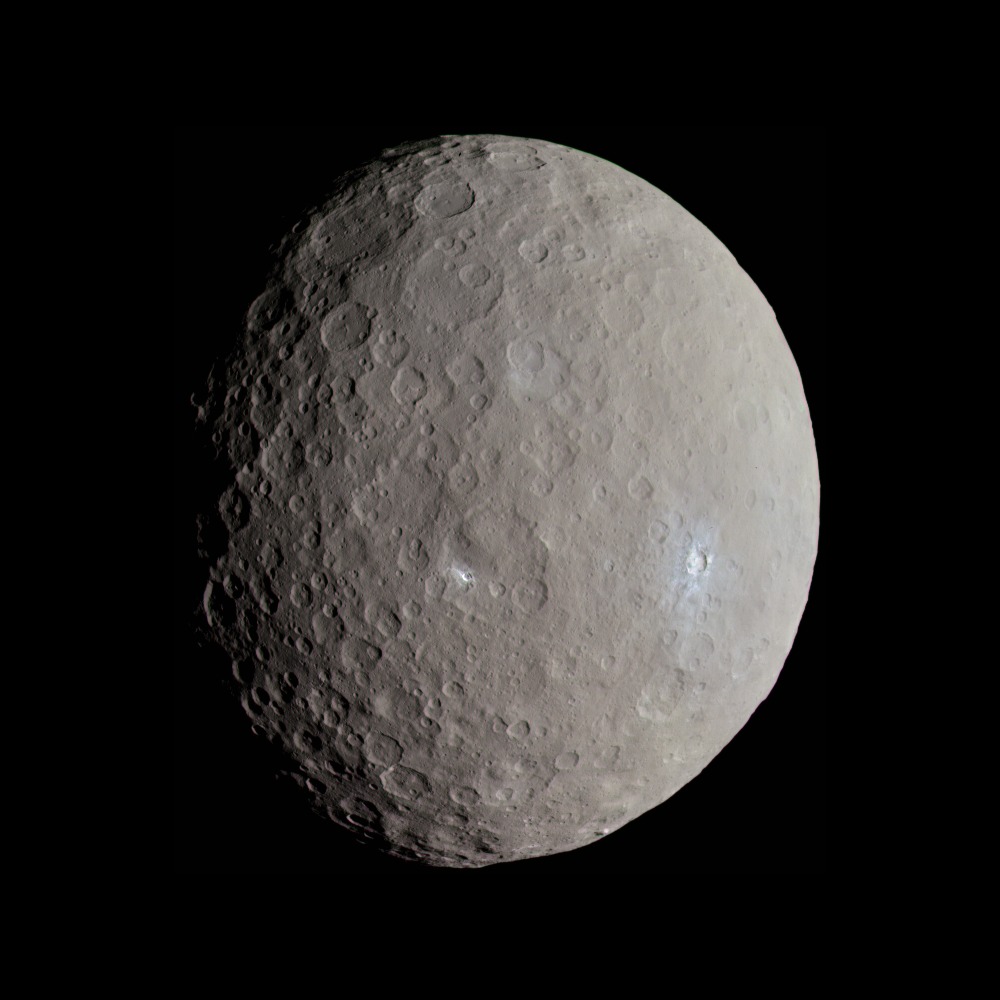
Astronomy picture of the day - 2016 February 4 - Dwarf Planet Ceres

See Explanation.  Clicking on the picture will download
 the highest resolution version available.
Dwarf Planet Ceres 
Image Credit & LicenseNASAJPL-CaltechUCLA, MPS,DLR,IDA - Composition: Justin Cowart
Explanation: Dwarf planet Ceres is the largest object in the Solar System's main asteroid belt, with a diameter of about 950 kilometers (590 miles). Ceres is seen here in approximately true color, based on image data from the Dawn spacecraft recorded on May 4, 2015. On that date, Dawn's orbit stood 13,642 kilometers above the surface of the small world. Two of Ceres' famous mysterious bright spots at Oxo crater and Haulani crater are near center and center right of this view. Casting a telltale shadow at the bottom is Ceres' cone-shaped, lonely mountain Ahuna Mons. Presently some 385 kilometers above the Cerean surface, the ion-propelled Dawn spacecraft is now returning images from its closest mapping orbit.

2016-02-03

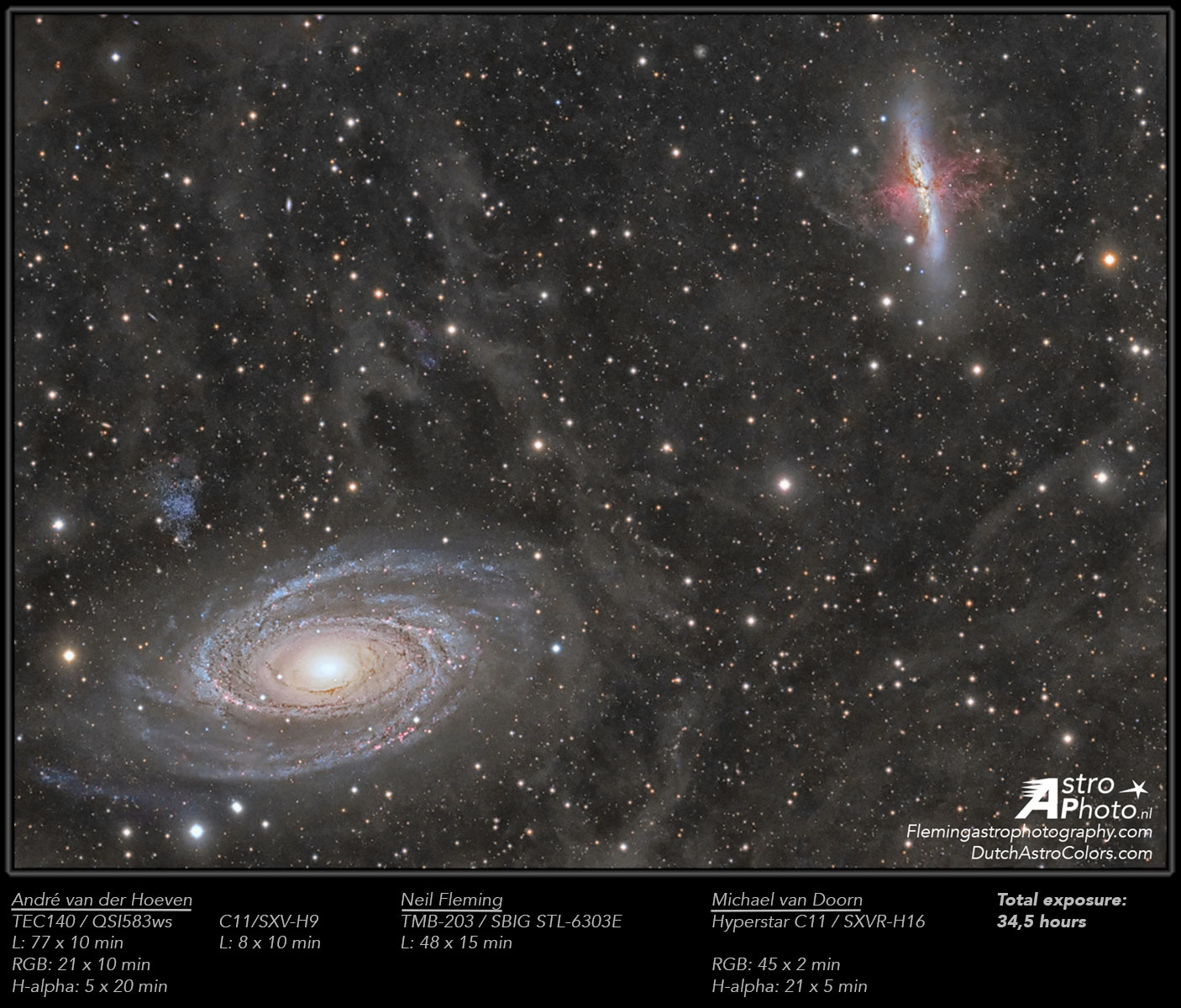
Astronomy picture of the day - 2016 February 3 - Galaxy Wars: M81 versus M82

See Explanation.  Clicking on the picture will download
 the highest resolution version available.
Galaxy Wars: M81 versus M82 
Image Credit & Copyright: André van der HoevenNeil Fleming & Michael Van Doorn
Explanation: In the lower left corner, surrounded by blue spiral arms, is spiral galaxy M81. In the upper right corner, marked by red gas and dust clouds, is irregular galaxy M82. This stunning vista shows these two mammoth galaxies locked in gravitational combat, as they have been for the past billion years. The gravity from each galaxy dramatically affects the other during each hundred million-year pass. Last go-round, M82's gravity likely raised density waves rippling around M81, resulting in the richness of M81's spiral arms. But M81 left M82 with violent star forming regions and colliding gas clouds so energetic the galaxy glows in X-rays. This big battle is seen from Earth through the faint glow of an Integrated Flux Nebula, a little studied complex of diffuse gas and dust clouds in our Milky Way Galaxy. In a few billion years only one galaxy will remain.

2016-02-02

Imagens do Mundo - Ondas e o farol de Porthcawl (Pais de Gales)

Olas rompren sobre el faro en Porthcawl (Gales).

Insolito - Lagartos travam duelo feroz no meio da rua (Video)


Batalha de lagartos no meio do asfalto


Motoristas que passavam por uma rua - a localidade não é conhecida - tiveram que lidar com um evento incomum. Dois lagartos-monitores resolveram duelar no meio do asfalto, enquanto carros e motos passavam. Quando toda a rivalidade parecia estar resolvida, os animais retomaram a feroz batalha na calçada. Assista:
 O Globo - Brasil

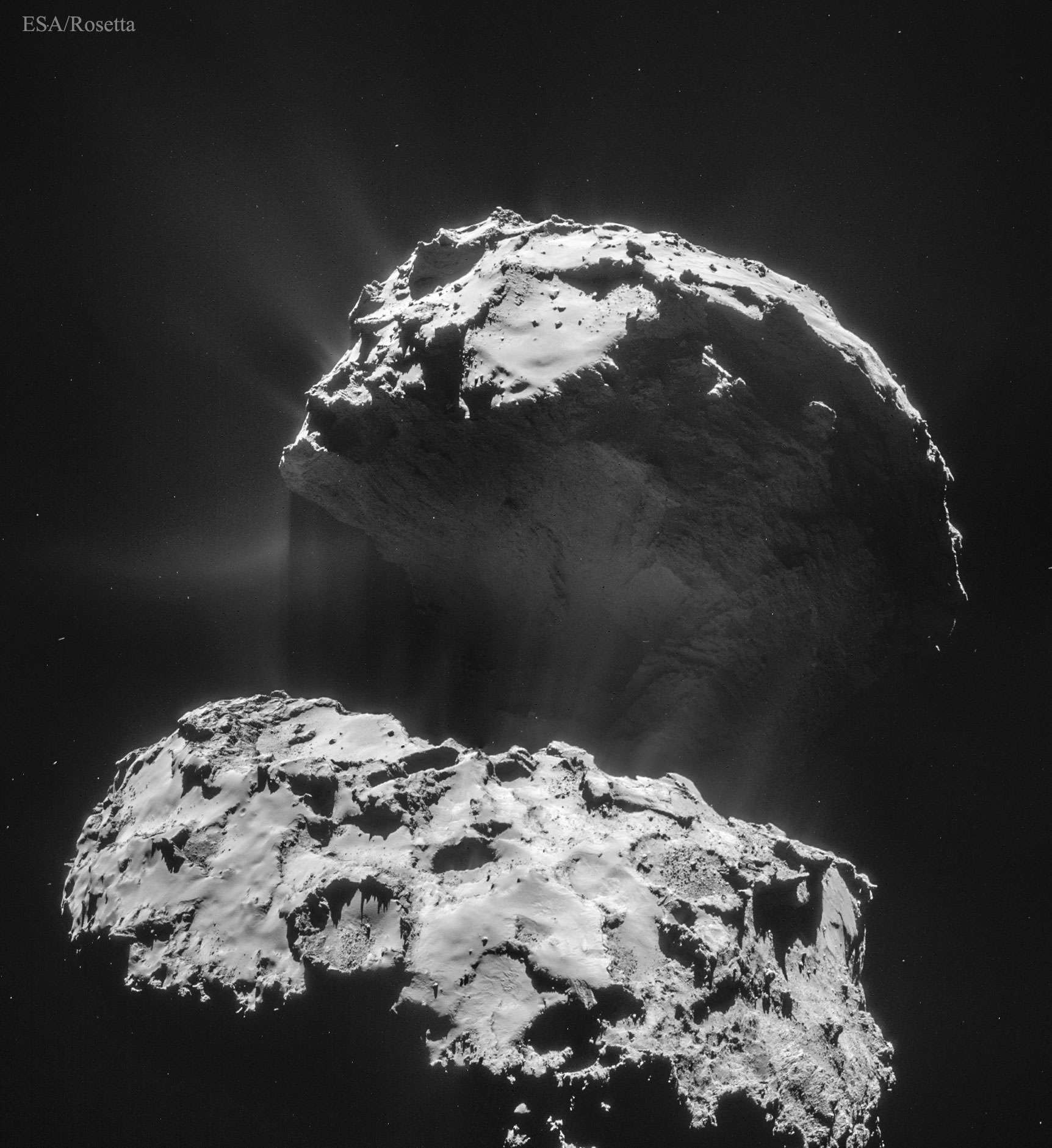
Astronomy picture of the day - 2016 February 2 - Comet 67P from Spacecraft Rosetta

See Explanation.  Clicking on the picture will download
 the highest resolution version available.
Comet 67P from Spacecraft Rosetta 
Image Credit & LicenceESARosetta, NAVCAM
Explanation: Spacecraft Rosetta continues to circle and map Comet Churyumov-Gerasimenko. Crossing the inner Solar System for ten years to reach the vicinity of the comet in 2014, the robotic spacecraft continues to image the unusual double-lobed comet nucleus. The featured image, taken one year ago, shows dust and gas escaping from the comet's nucleus. Although appearing bright here, the comet's surface reflects only about four percent of impinging visible light, making it as dark as coal. Comet 67P/Churyumov–Gerasimenko spans about four kilometers in length and has a surface gravity so low that an astronaut could jump off of it. With Rosetta in tow, Comet 67P passed its closest to the Sun last year and is now headed back to the furthest point -- just past the orbit of Jupiter.

2016-02-01

Imagens do Mundo - Carnaval: festa nas ruas do Rio de Janeiro

Cordão do Boitatá comemora seus 20 anos neste carnaval Fernando Lemos / Agência O Globo


Carnaval: festa nas ruas do Rio de Janeiro

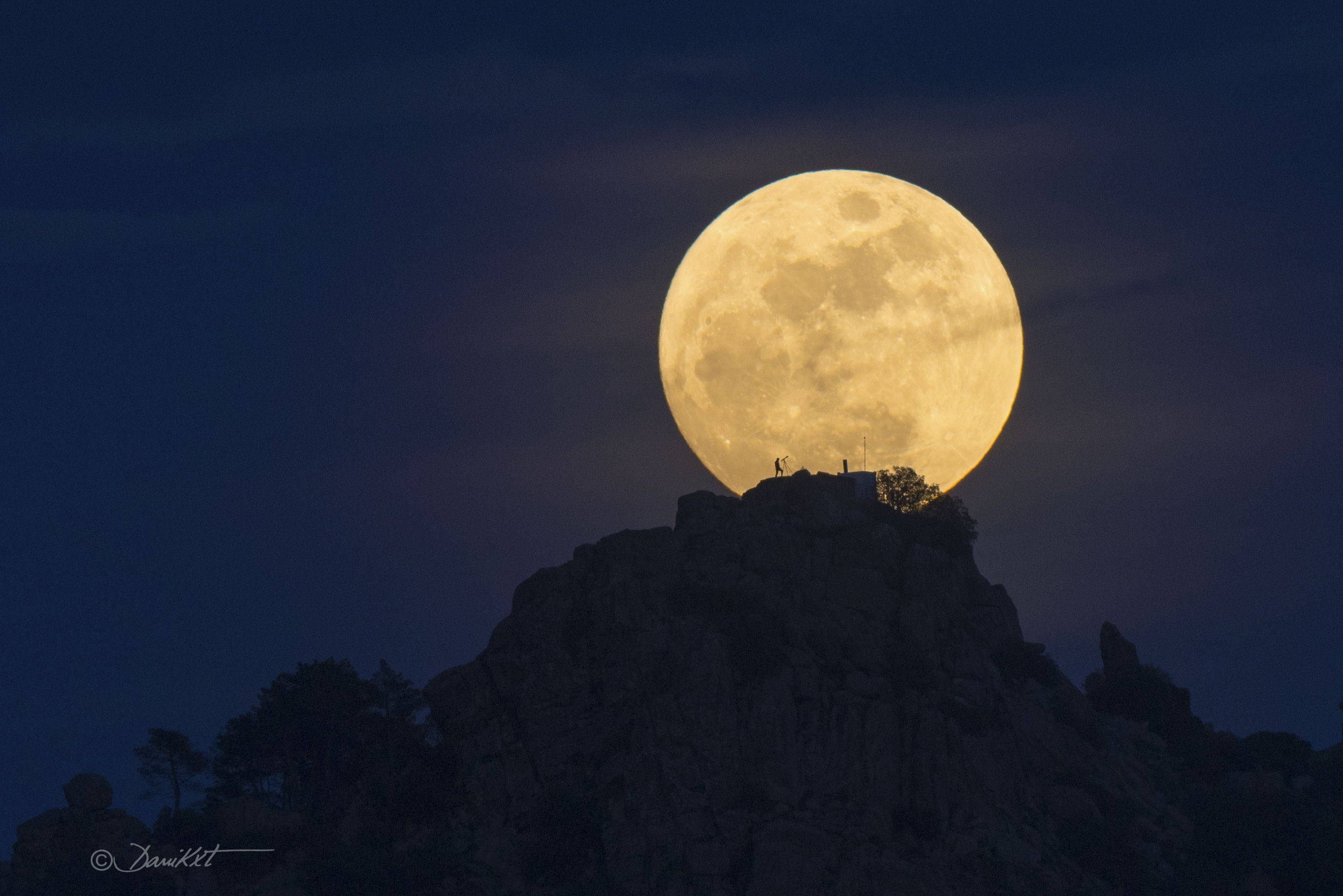
Astronomy picture of the day - 2016 February 1 - Find the Man in the Moon

See Explanation.
Moving the cursor over the image will bring up an annotated version.
Clicking on the image will bring up the highest resolution version
available.
Find the Man in the Moon 
Image Credit & Copyright: Dani Caxete
Explanation: Have you ever seen the Man on the Moon? This common question plays on the ability of humans to see pareidolia -- imagining familiar icons where they don't actually exist. The textured surface of Earth's full Moon is home to numerous identifications of iconic objects, not only in modern western culture but in world folklore throughout history. Examples, typically dependent on the Moon's perceived orientation, include the Woman in the Moon and the Rabbit in the Moon. One facial outline commonly identified as the Man in the Moon starts by imagining the two dark circular areas -- lunar maria -- here just above the Moon's center, to be the eyes. Surprisingly, there actually is a man in this Moon image -- a close look will reveal a real person -- with a telescope -- silhouetted against the Moon. This featured well-planned image was taken in mid-January in Cadalso de los Vidrios in MadridSpain. Do you have a favorite object that you see in the Moon?