Na Ilha dos Açores, Lages do Pico é uma pequena povoação que sempre viveu da caça à a baleia. Hoje em dia, o Pico mantem a tradição maritima dos seus habitantes-pescadores mas deixou de capturar os magnificos animais. Os barcos foram adaptados porque a sanguinaria necessidade foi transformada em safari fotografico de contemplação dos majestosos e belos cetaceos.
2016-06-22
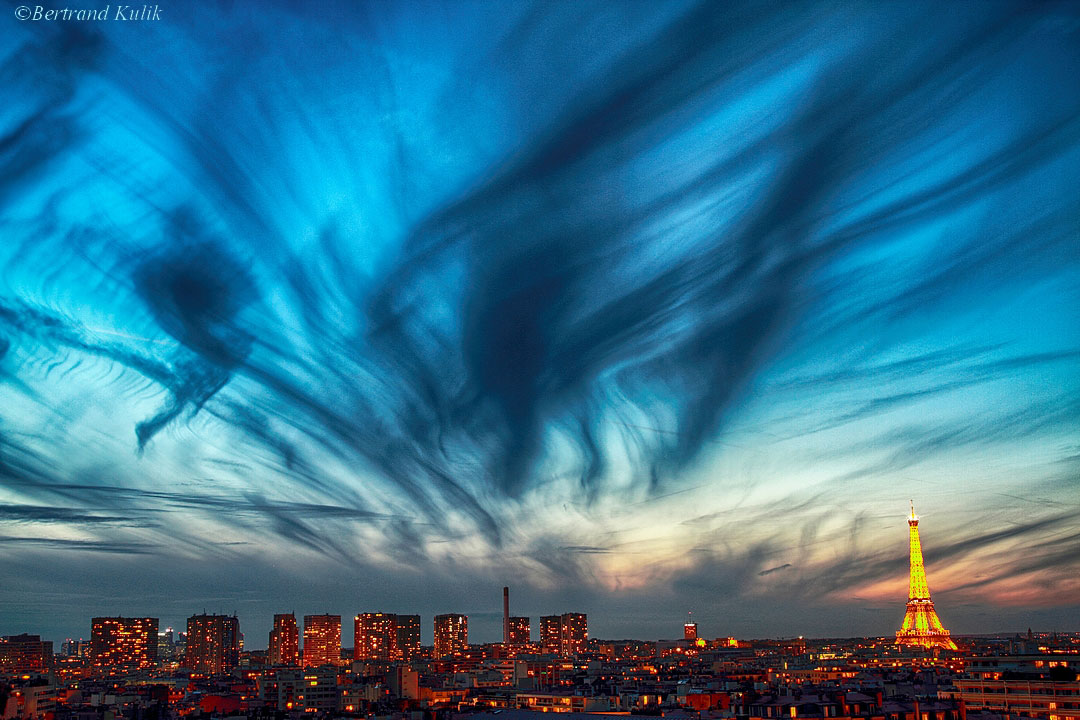
Astronomy picture of the day - 2016 June 22 - Cirrus over Paris
Image Credit & Copyright: Bertrand Kulik
Explanation: What's that over Paris? Cirrus. Typically, cirrus clouds appear white or gray when reflecting sunlight, can appear dark at sunset (or sunrise) against a better lit sky. Cirrus are among the highest types of clouds and are usually thin enough to see stars through. Cirrus clouds may form from moisture released above storm clouds and so may herald the arrival of a significant change in weather. Conversely, cirrus clouds have also been seen on Mars,Jupiter, Saturn, Titan, Uranus, and Neptune. The featured image was taken two days ago from a window in District 15, Paris, France, Earth. The brightly lit object on the lower right is, of course, the Eiffel Tower.
2016-06-21
Imagens do Mundo - Sitios lindos de Portugal - Marvão
A sua muralha do século XIII protege as casinhas brancas . A quase 900 m de altitude, esta vila medieval vigia a Espanha.
LUIS DAVILLA/GETTY
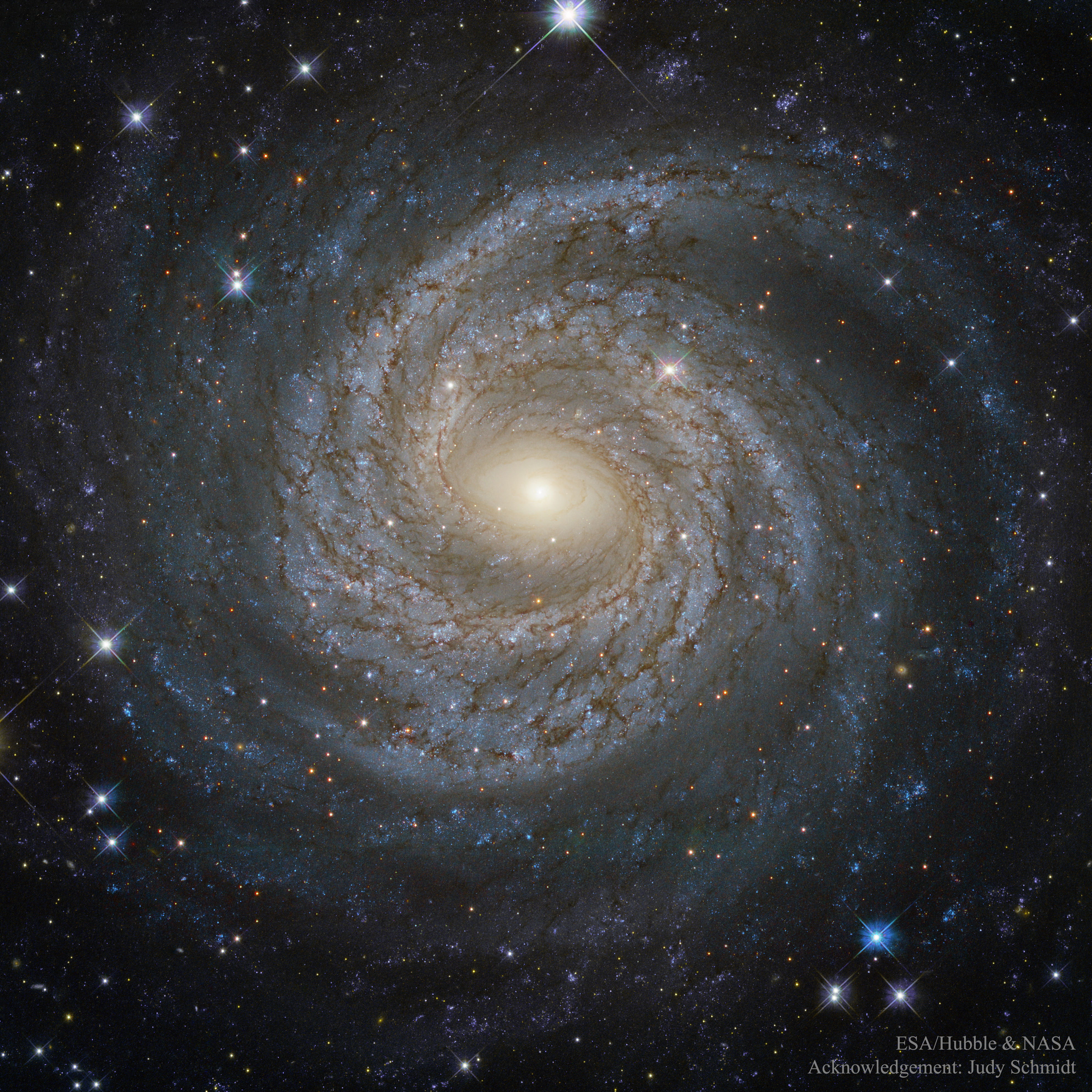
Astronomy picture of the day - 2016 June 21 - NGC 6814: Grand Design Spiral Galaxy from Hubble
Image Credit: ESA/Hubble & NASA; Acknowledgement: Judy Schmidt (Geckzilla)
Explanation: In the center of this serene stellar swirl is likely a harrowing black-hole beast. The surrounding swirl sweeps around billions of stars which are highlighted by the brightest and bluest. The breadth and beauty of the display give the swirl the designation of a grand design spiral galaxy. The central beast shows evidence that it is a supermassive black hole about 10 million times the mass of our Sun. This ferocious creature devours stars and gas and is surrounded by a spinning moat of hot plasma that emits blasts of X-rays. The central violent activity gives it the designation of a Seyfert galaxy. Together, this beauty and beast are cataloged as NGC 6814 and have been appearing together toward the constellation of the Eagle (Aquila) for roughly the past billion years.
2016-06-20
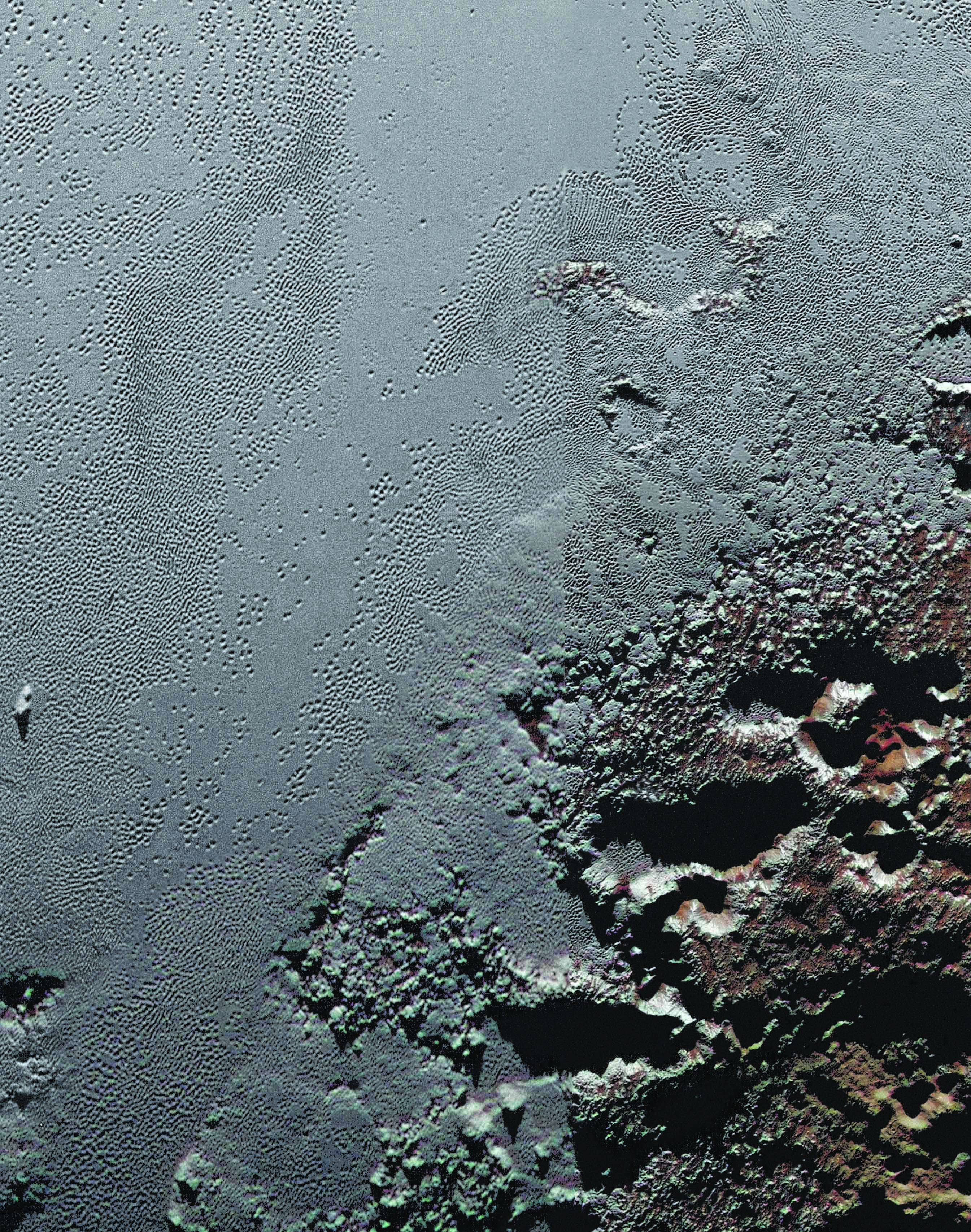
Astronomy picture of the day - 2016 June 20 - Sputnik Planum vs. Krun Macula
Image Credit: NASA, Johns Hopkins Univ./APL, Southwest Research Institute
Explanation: Pluto's pitted plains meet rugged highlands in this stunning view. On the left lies a southeastern extent of the bright region still informally known as Sputnik Planum. At right the edge of a dark region, informally Krun Macula, rises some 2.5 kilometers above the icy plains. Along the boundary, connected clusters of large pits form deep valleys, some over 40 kilometers long with shadowy floors. Nitrogen ice is likely responsible for the more reflective plains. The dark red color of the highlands is thought to be from complex compounds called tholins, a product of ultraviolet light induced chemical reactions with methane in Pluto's atmosphere. The enhanced color image includes portions of the highest and second highest resolution image data from the New Horizons July 2015 flyby of the distant world.
2016-06-19
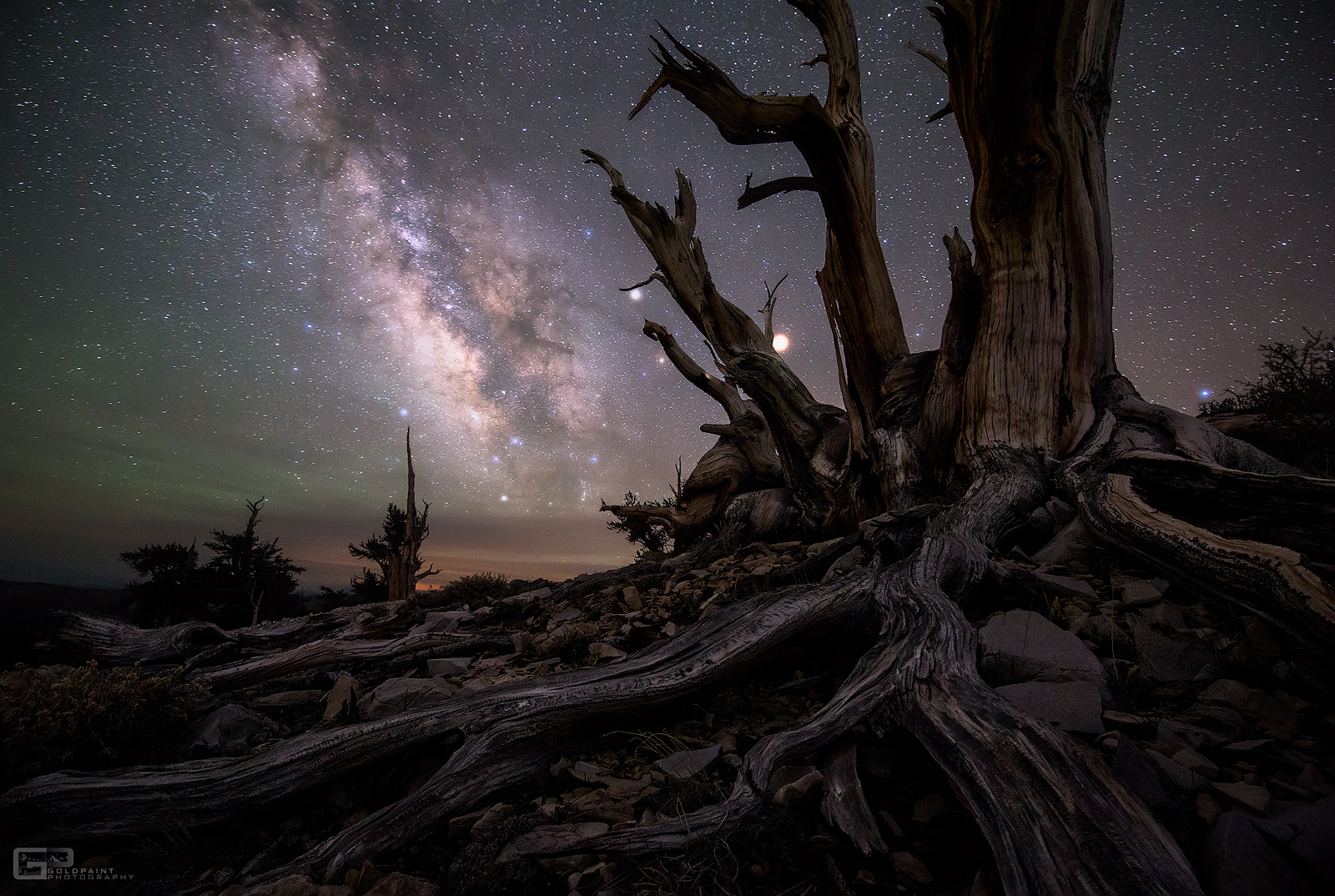
Astronomy picture of the day - 2016 June 19 -
Image Credit & Copyright: Brad Goldpaint (Goldpaint Photography)
Explanation: What's older than these ancient trees? Nobody you know -- but almost everything in the background of this picture. The trees are impressively old -- each part of the Ancient Bristlecone Pine Forest located in easternCalifornia, USA. There, many of the oldest trees known are located, some dating as far back as about 5,000 years. Seemingly attached to tree branches, but actually much farther in the distance, are the bright orbs of Saturn (left) andMars. These planets formed along with the Earth and the early Solar System much earlier -- about 4.5 billion years ago. Swooping down diagonally from the upper left is the oldest structure pictured: the central band of our Milky Way Galaxy -- dating back around 9 billion years. The featured image was built from several exposures all taken from the same location -- but only a few weeks ago.
2016-06-17
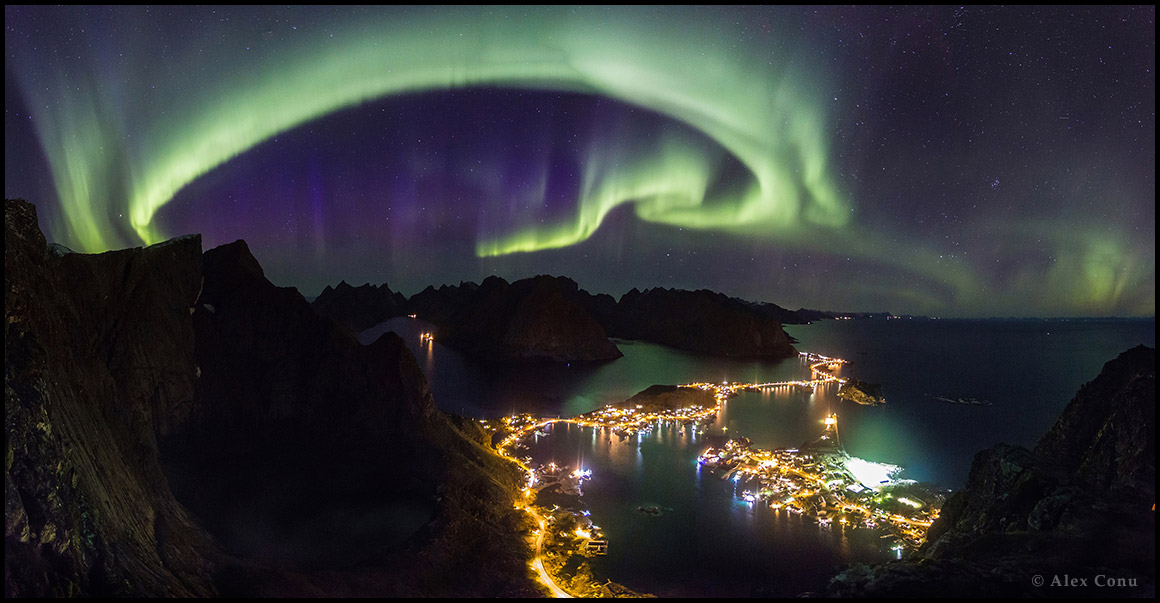
Astronomy picture of the day - 2016 June 16 - Northern Lights above Lofoten
Image Credit & Copyright: Alex Conu
Explanation: The Aurora Borealis or northern lights are familiar visitors to night skies above the village of Reine in the Lofoten Islands, Norway, planet Earth. In this scene, captured from a mountaintop camp site, the auroral curtains do seem to create an eerie tension with the coastal lights though. A modern perspective on the world at night, the stunning image was chosen as the over all winner in The World at Night's 2016 International Earth and Sky Photo Contest. Selections were made from over 900 entries highlighting the beauty of the night sky and its battle with light pollution.
2016-06-15
Imagens do Mundo - Sitios lindos de Portugal - Almeida
A fortaleza de Almeida existe desde 1296. Em forma de estrela, Almeida esta associada ao engenheiro militar do rei Louis XIV, Vauban e a D. Diniz
OR99/ISOCK
Astronomy picture of the day - 2016 June 15 - APOD Placeholder
Illustration Credit: APOD's Placeholder Team
Explanation: A new and exciting APOD will appear here today at 1:30 pm Eastern Daylight Time (USA) after the LIGO press conference at the 228th Meeting of the American Astronomical Society in San Diego, CA has begun. We at APOD (again) appreciate your patience in this matter.
Inscription à :
Commentaires (Atom)