"Se fores ao Alentejo"
2017-11-16

Igrejas maravilhosas do Brasil - Basílica do Senhor Bom Jesus de Iguape – Iguape -SP

Construída entre os séculos, XVIII e XIX, a Basílica do Senhor Bom Jesus de Iguape demorou 80 anos para ser finalizada. Os materiais incorporados em sua obra, como pedra portuguesa, arga massa e óleo de baleia, juntamente com a riqueza de detalhes de seu interior e sua história, chamam a atenção de qualquer visitante. Várias imagens estão dispostas pela Basílica, entre elas a Nossa Senhora das Neves e Bom Jesus de Iguape, padroeiros do município.

Astronomy picture of the day - 2017 November 15 - The Tarantula Nebula
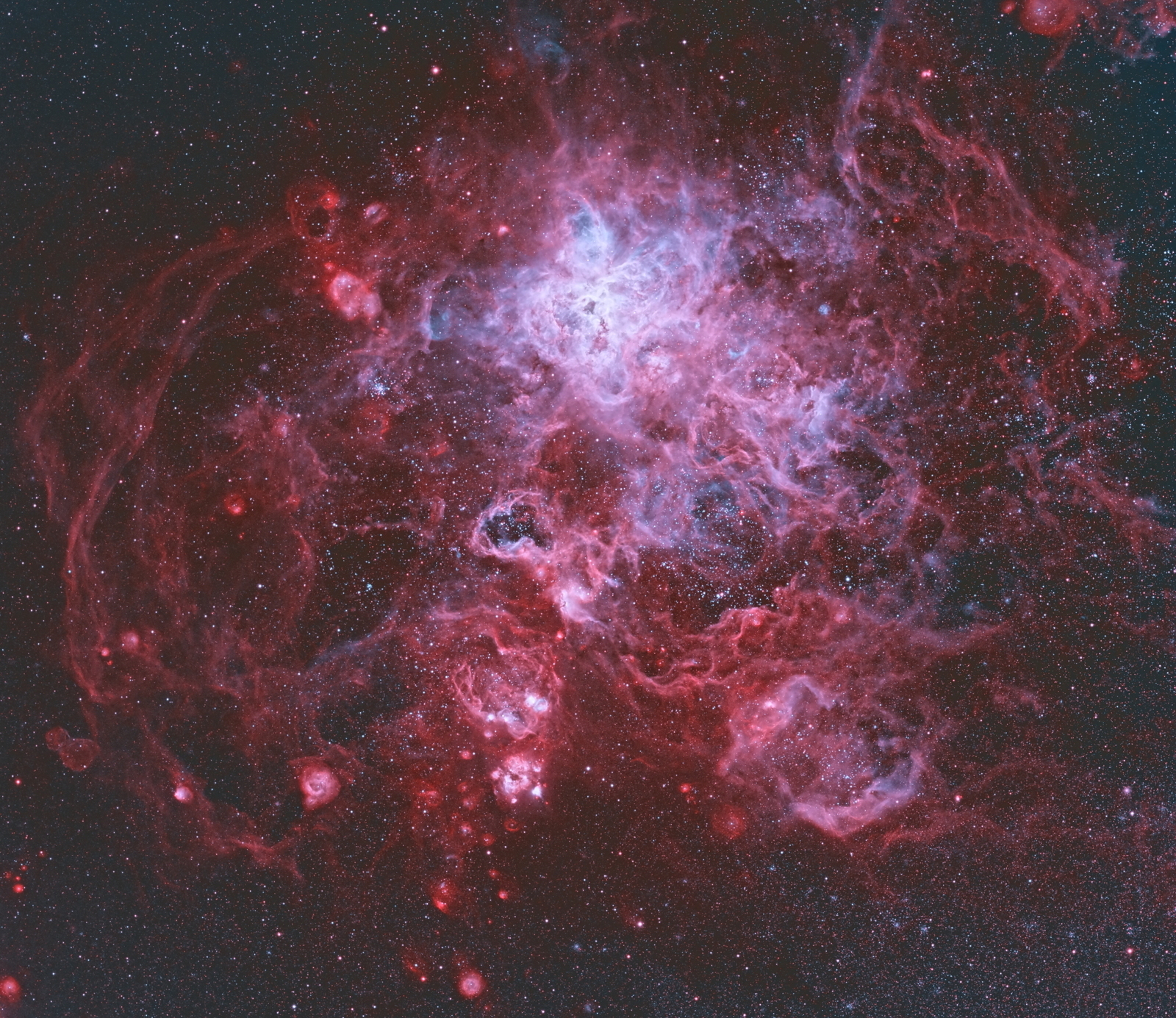
Image Credit & Copyright: Ignacio Diaz Bobillo
Explanation: The Tarantula Nebula is more than a thousand light-years in diameter, a giant star forming region within nearby satellite galaxy the Large Magellanic Cloud, about 180 thousand light-years away. The largest, most violent star forming region known in the whole Local Group of galaxies, the cosmic arachnid sprawls across this spectacular view composed with narrowband data centered on emission from ionized hydrogen and oxygen atoms. Within the Tarantula (NGC 2070), intense radiation, stellar winds and supernova shocks from the central young cluster of massive stars, cataloged as R136, energize the nebular glow and shape the spidery filaments. Around the Tarantula are other star forming regions with young star clusters, filaments, and blown-out bubble-shaped clouds. In fact, the frame includes the site of the closest supernova in modern times, SN 1987A, right of center. The rich field of view spans about 1 degree or 2 full moons, in the southern constellation Dorado. But were the Tarantula Nebula closer, say 1,500 light-years distant like the local star forming Orion Nebula, it would take up half the sky.
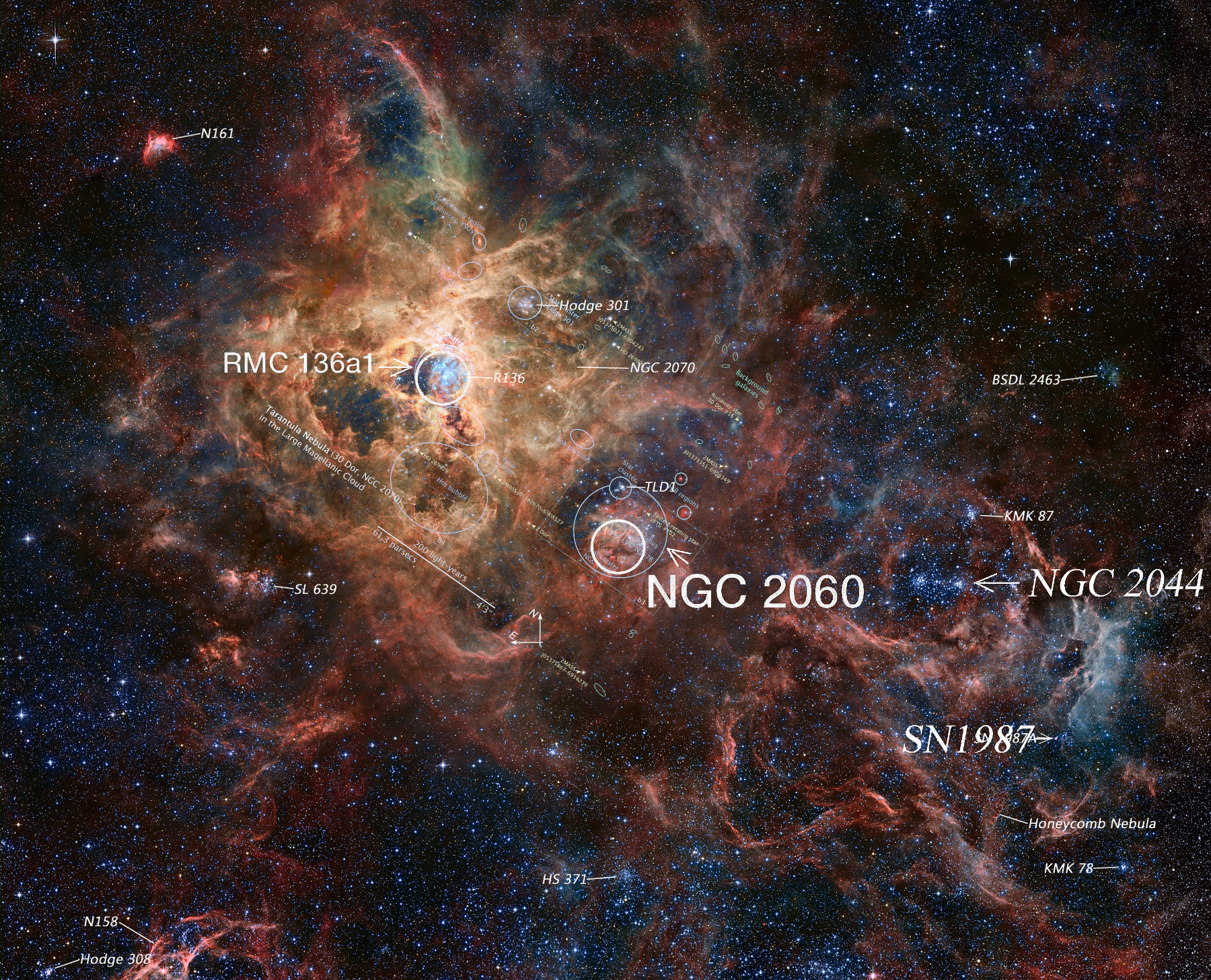
2017-11-15
Pintores portugueses - Julio Pomar - "Fernando Pessoa encontra D. Sebastião num caixão sobre um burro ajaizado à Andaluza"

"Fernando Pessoa encontra D. Sebastião num caixão sobre um burro ajaizado à Andaluza"
1985. Oleo sobre tela. 157x154 (Pormenor)
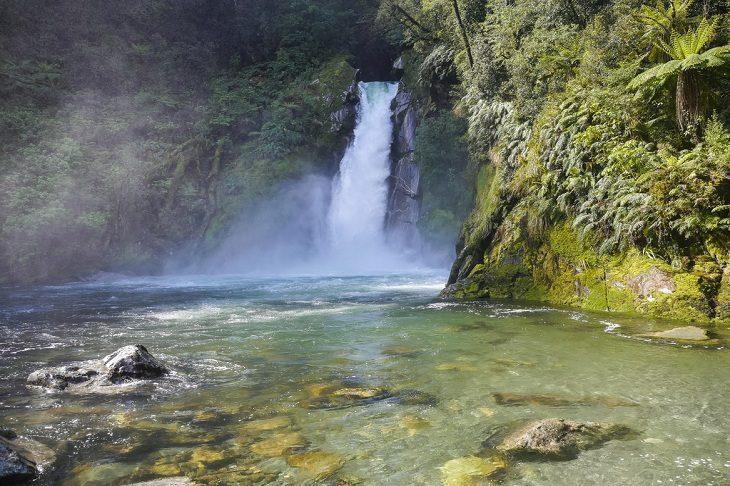
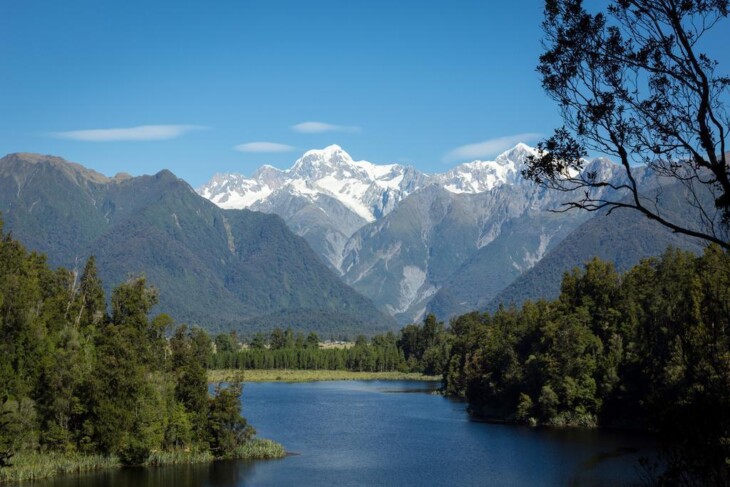
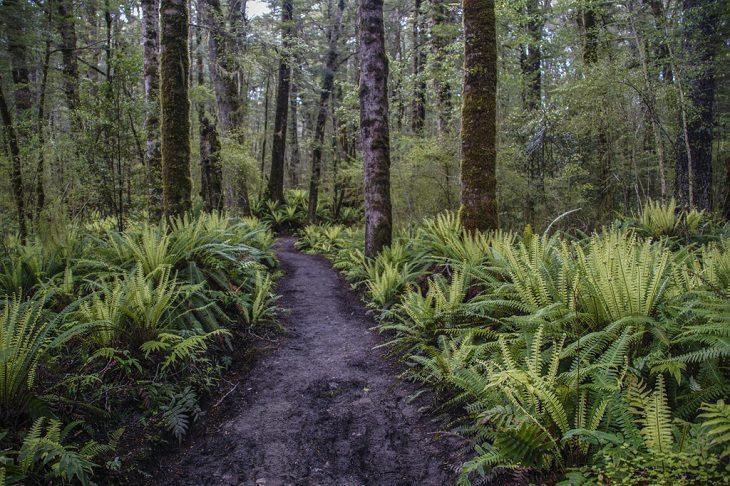
Florestas do mundo - Parque Nacional de Fiordland, Nova Zelândia
ISTOCK
Considerado um Patrimônio Mundial pela UNESCO, o Parque Nacional de Fiordland é famoso por suas cachoeiras impressionantes, belas árvores em meio a montanhas e muitos quilômetros de praia.
ISTOCK
E mais: por lá, encontra-se uma atmosfera mágica marcada pelas locações usadas nos filmes de O Senhor dos Anéis, já que o parque guarda 14 incríveis e apaixonantes fiordes. Vale a pena conhecer!
ISTOCK
Astronomy picture of the day - 2017 November 15 - NGC 7789: Caroline's Rose

Image Credit & Copyright: Guillaume Seigneure
Explanation: Found among the rich starfields of the Milky Way, star cluster NGC 7789 lies about 8,000 light-years away toward the constellation Cassiopeia. A late 18th century deep sky discovery of astronomer Caroline Lucretia Herschel, the cluster is also known as Caroline's Rose. Its flowery visual appearance in small telescopes is created by the cluster's nestled complex of stars and voids. Now estimated to be 1.6 billion years young, the galactic or open cluster of stars also shows its age. All the stars in the cluster were likely born at the same time, but the brighter and more massive ones have more rapidly exhausted the hydrogen fuel in their cores. These have evolved from main sequence stars like the Sun into the many red giant stars shown with a yellowish cast in this lovely color composite. Using measured color and brightness, astronomers can model the mass and hence the age of the cluster stars just starting to "turn off" the main sequence and become red giants. Over 50 light-years across, Caroline's Rose spans about half a degree (the angular size of the Moon) near the center of the wide-field telescopic image.
2017-11-14
Astronomy pictures of the day - 2017 November 14 - The Pleiades Deep and Dusty
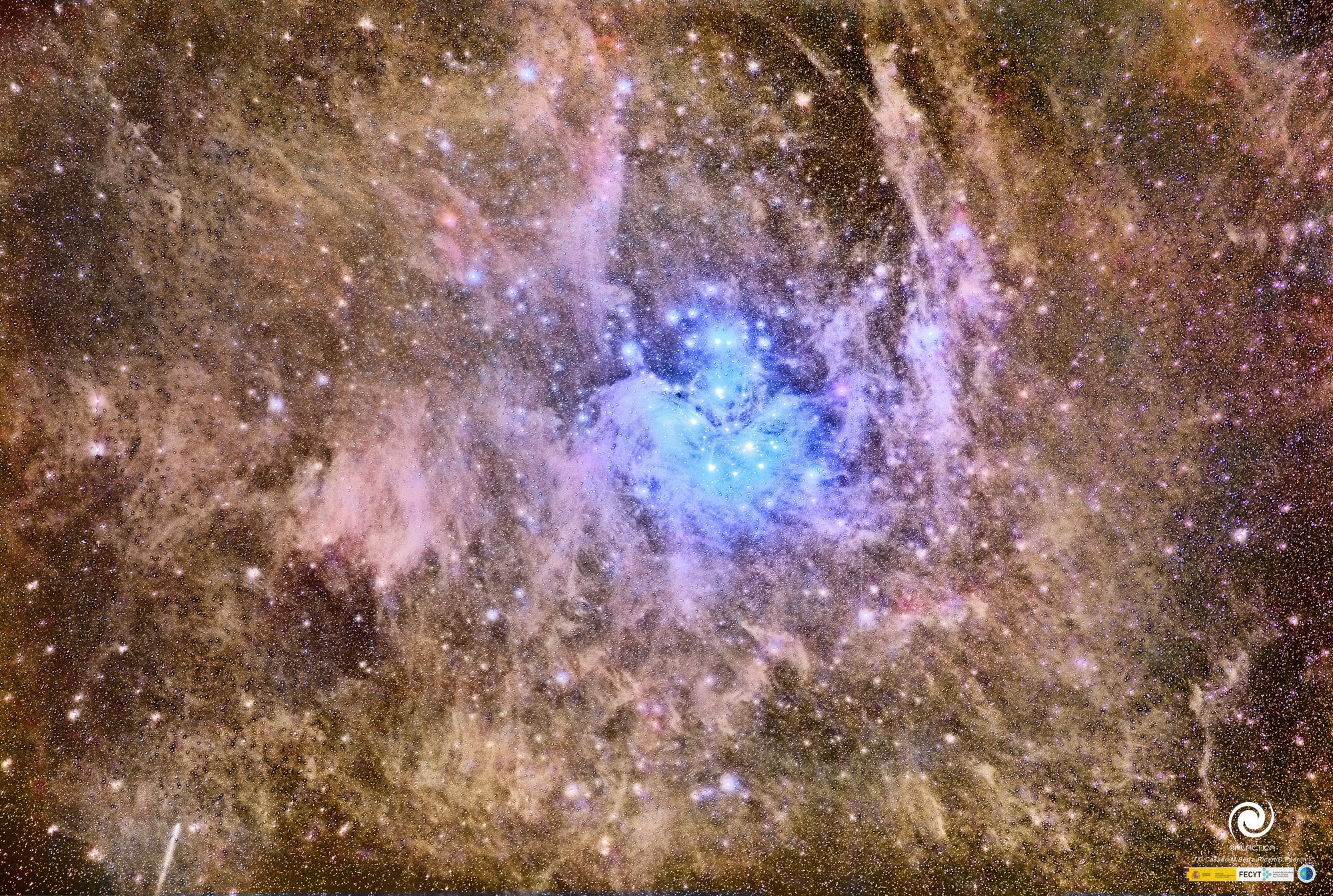
Image Credit & Copyright: Juan Carlos Casado (TWAN, Earth & Stars), Miquel Serra-Ricart & Daniel Padron, FECYT
Explanation: The well-known Pleiades star cluster is slowly destroying part of a passing cloud of gas and dust. The Pleiades is the brightest open cluster of stars on Earth's sky and can be seen from almost any northerly location with the unaided eye. The passing young dust cloud is thought to be part of Gould's Belt, an unusual ring of young star formation surrounding the Sun in the local Milky Way Galaxy. Over the past 100,000 years, part of Gould's Belt is by chance moving right through the older Pleiades and is causing a strong reaction between stars and dust. Pressure from the stars' light significantly repels the dust in the surrounding blue reflection nebula, with smaller dust particles being repelled more strongly. A short-term result is that parts of the dust cloud have become filamentary and stratified. The featured deep image also captured Comet C/2015 ER61 (PanSTARRS) on the lower left.


2017-11-13
Florestas do Mundo - Reserva Florestal Sinharaja, Sri Lanka
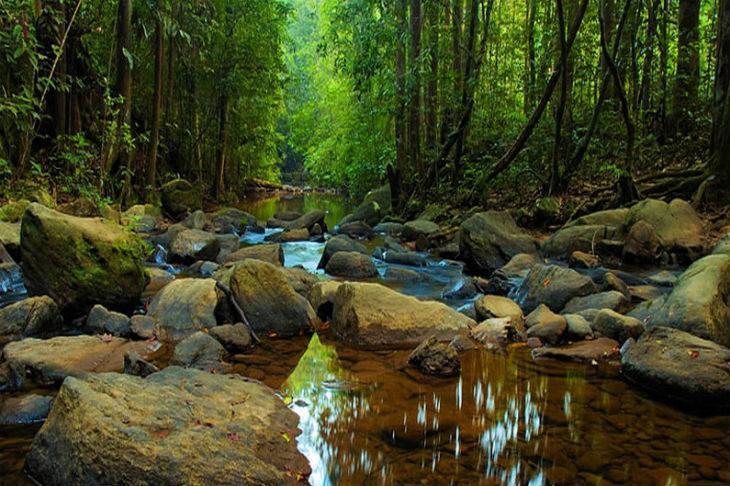
A Sinharaja é uma das mais importantes florestas tropicais do Sri Lanka, que tem 88,64 km² e foi declarada pela UNESCO como uma reserva de biosfera em 1978. Ela conta com uma enorme quantidade de árvores endêmicas, é considerada o lar de animais como mamíferos, insetos raros, pássaros e borboletas e ainda abriga por lá outras espécies ameaçadas de extinção.
Inscription à :
Articles (Atom)