2016-02-18

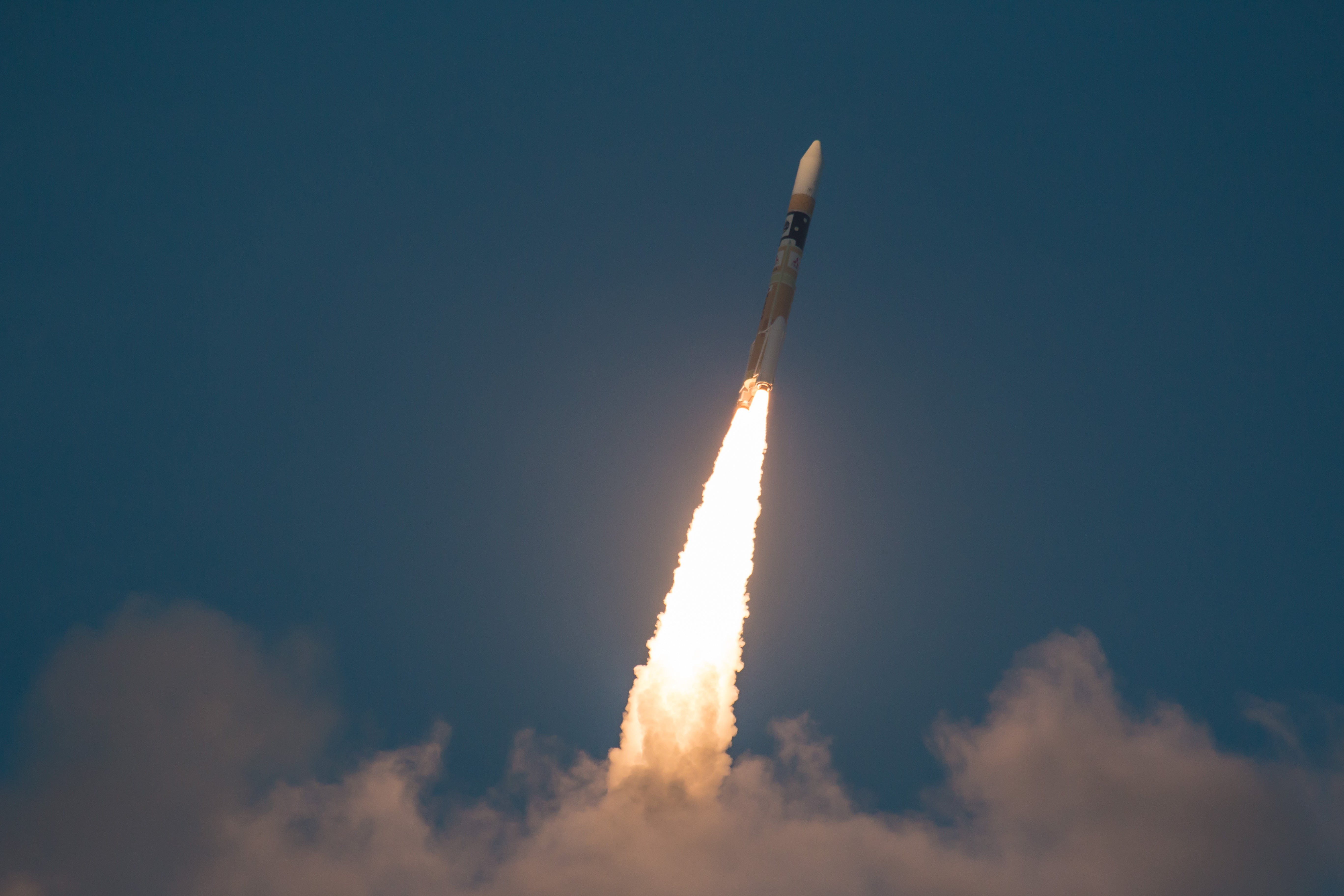
Astronomy picture of the day - 2016 February 18 - Hitomi Launches

See Explanation.  Clicking on the picture will download
 the highest resolution version available.
Hitomi Launches 
Image Credit & CopyrightF. Scott Porter (NASAGoddard Space Flight Center)
Explanation: On February 17 at 5:45pm JST this H-IIA rocket blasted skyward from JAXA's Tanegashima Space Center located off the southern coast of Japan, planet Earth. Onboard was the ASTRO-H X-ray astronomy satellite, now in orbit. Designed to explore the extreme cosmos from black holes to massive galaxy clusters, the satellite observatory is equipped with four cutting-edge X-ray telescopes and instruments sensitive to photon energies from 300 to 600,000 electron volts. By comparison, visible light photon energies are 2 to 3 electron volts. Following a tradition of renaming satellites after their successful launch, ASTRO-H has been newly dubbed "Hitomi", inspired by an ancientlegend of dragons. Hitomi means "the pupil of the eye".

2016-02-17

Pictures from my mind - "Duas e meio" - 17-02-2016

"Duas e meio"

17-02-2016
JoanMira

Imagens do Mundo - Madrid, Espanha - Dia de chuva


"Dia de chuva em Madrid"

Imagens do Mundo - Singapura com asas


Pilotos dos "Black Eagles" da Coreia do Sul realizam acrobacias com os seus "T-50" durante numa exibição em Singapura.

Astronomy picture of the day - 2016 February 17 - Milky Way over the Pinnacles in Australia

See Explanation.  Clicking on the picture will download
 the highest resolution version available.
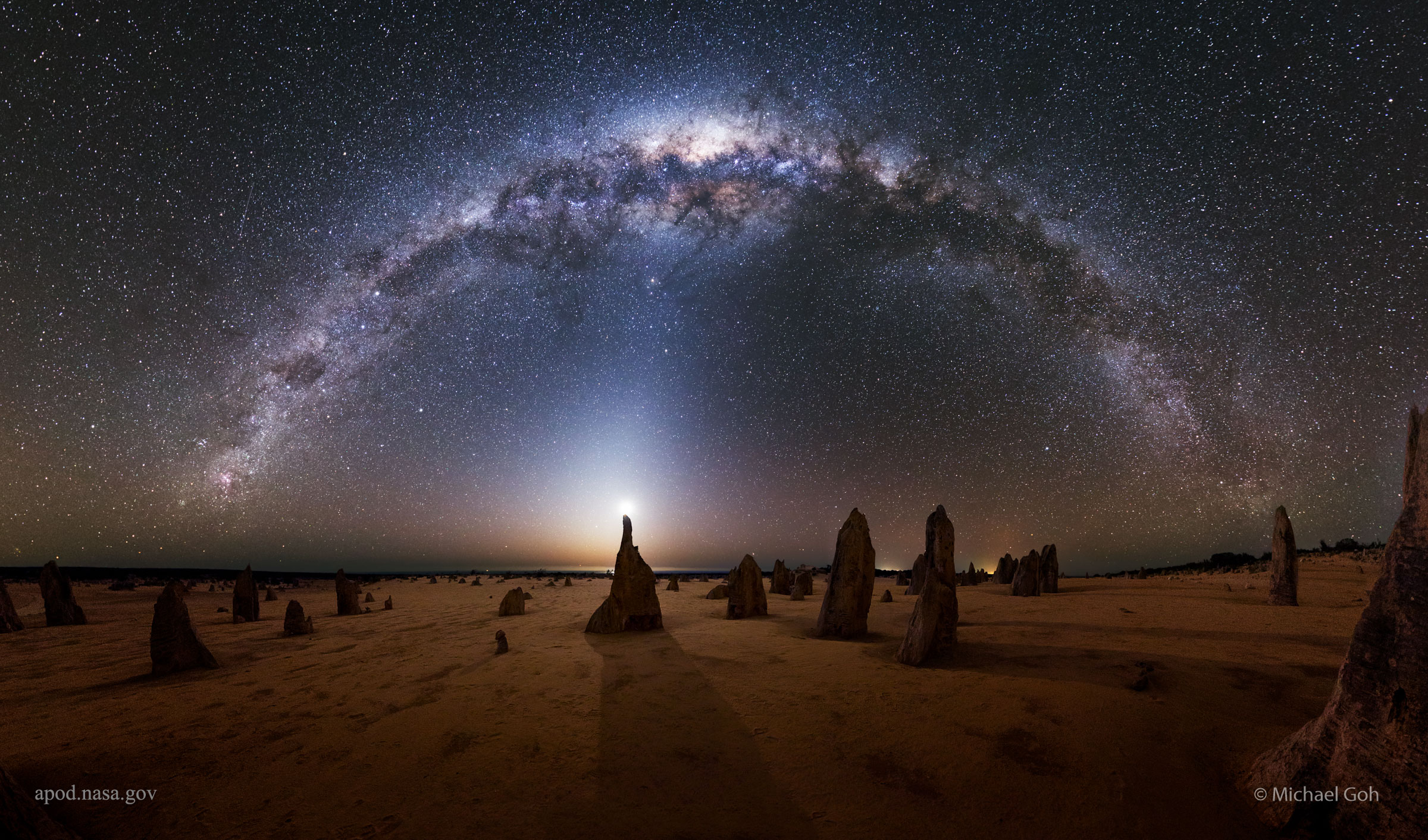
Milky Way over the Pinnacles in Australia 
Image Credit: Michael Goh
Explanation: What strange world is this? Earth. In the foreground of the featured image are the Pinnacles, unusual rock spires in Nambung National Park in Western Australia. Made of ancient sea shells (limestone), how these human-sized picturesque spires formed remains unknown. In the background, just past the end of the central Pinnacle, is a bright crescent Moon. The eerie glow around the Moon is mostly zodiacal light, sunlight reflected by dust grains orbiting between the planets in the Solar System. Arching across the top is the central band of our Milky Way Galaxy. Many famous stars and nebula are also visible in the background night sky. The featured 29-panel panorama was taken and composed last September after detailed planning that involved the Moon, the rock spires, and their corresponding shadows. Even so, the strong zodiacal light was a pleasant surprise.

2016-02-16

Benfica: O maior clube do Mundo!

Afficher l'image d'origine

BENFICA!!!Afficher l'image d'origine

Astronomy picture of the day - 2016 February 16 - Star Forming Region S106

See Explanation.  Clicking on the picture will download
 the highest resolution version available.
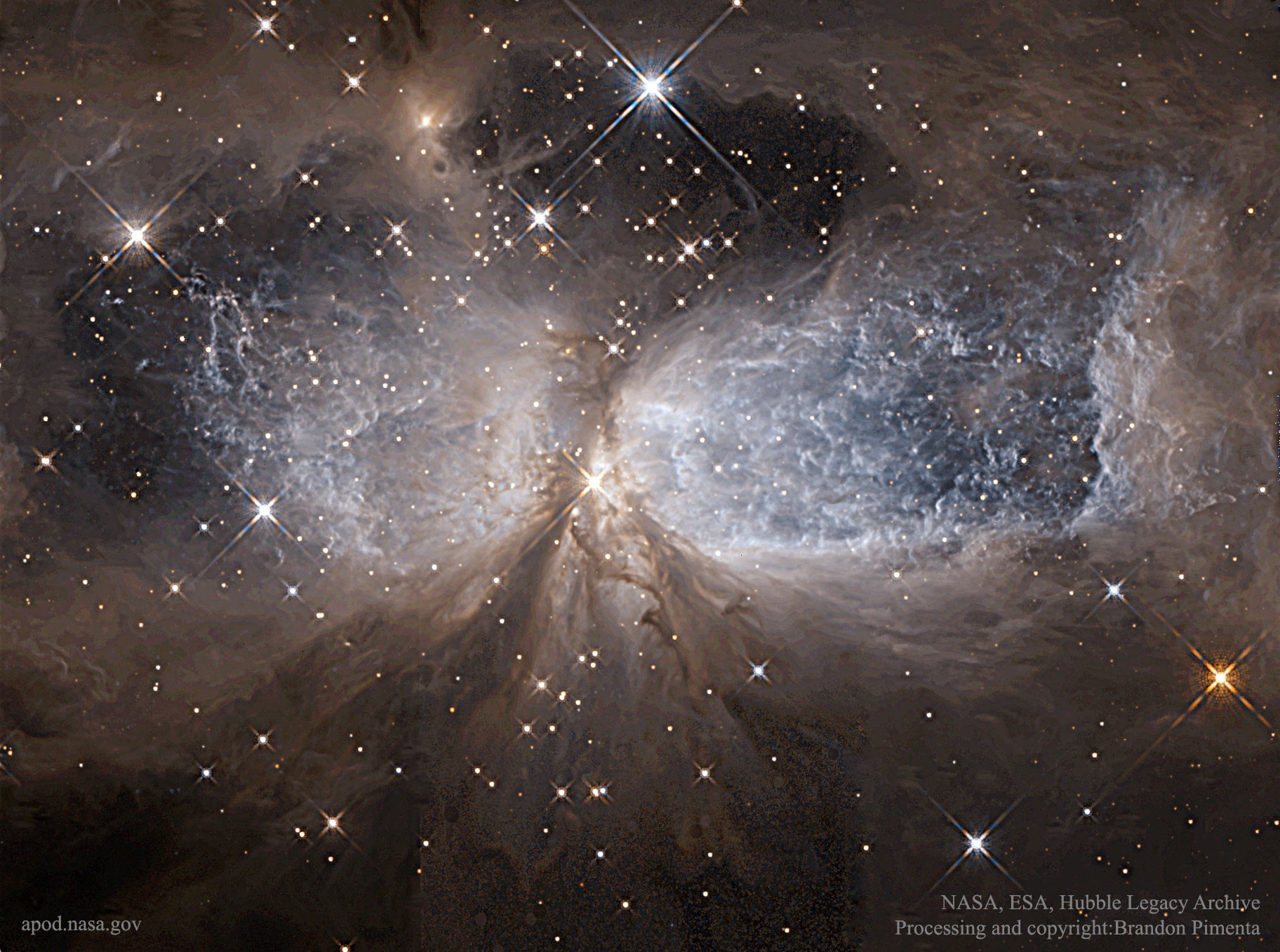
Star Forming Region S106 
Image Credit: NASAESAHubble Legacy ArchiveProcessed & Copyright: Brandon Pimenta
Explanation: Massive star IRS 4 is beginning to spread its wings. Born only about 100,000 years ago, material streaming out from this newborn star has formed the nebula dubbed Sharpless 2-106 Nebula (S106), featured here. A large disk of dust and gas orbiting Infrared Source 4 (IRS 4), visible in brown near the image center, gives the nebula an hourglass or butterfly shape. S106 gas near IRS 4 acts as an emission nebula as it emits light after being ionized, while dust far from IRS 4 reflects light from the central star and so acts as a reflection nebula. Detailed inspection of a recent infrared image of S106 reveal hundreds of low-mass brown dwarf stars lurking in the nebula's gas. S106 spans about 2 light-years and lies about 2000 light-years away toward the constellation of the Swan (Cygnus).

2016-02-15

Astronomy picture of the day - 2016 February 15 - White Rock Fingers on Mars

See Explanation.  Clicking on the picture will download
 the highest resolution version available.
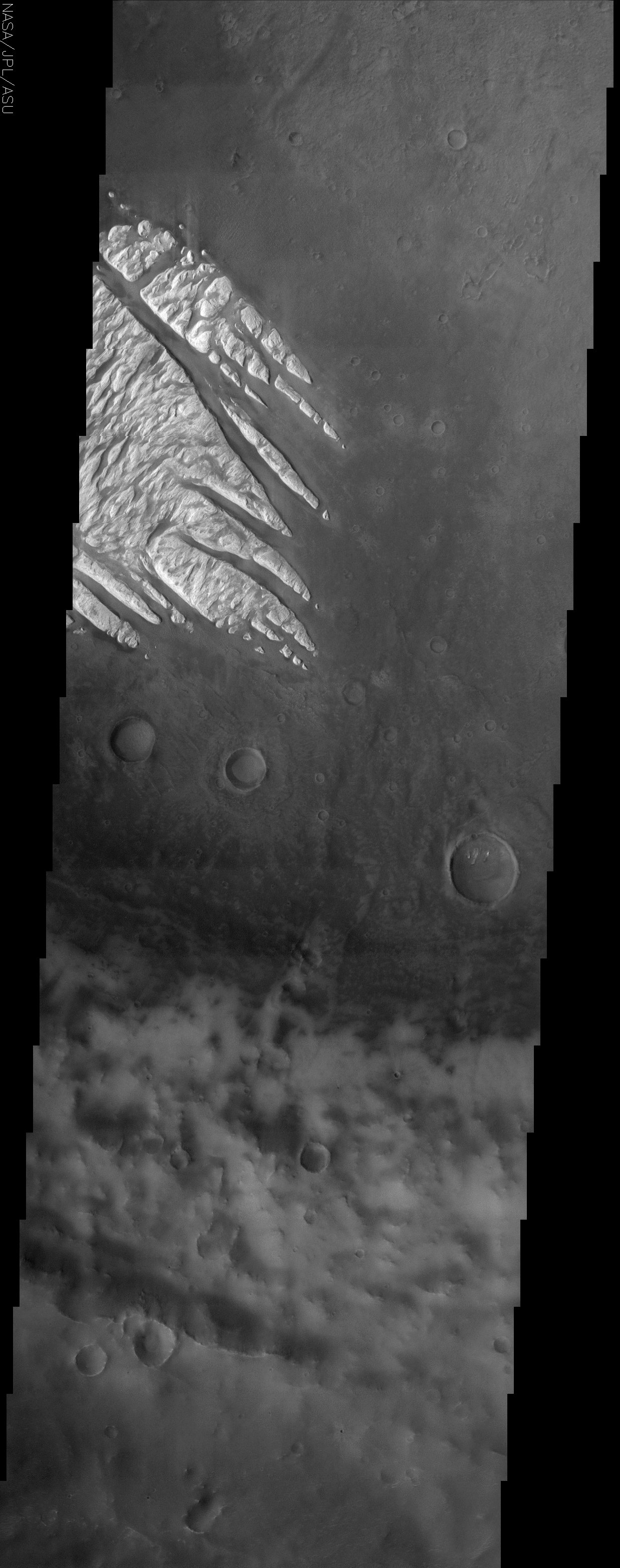
White Rock Fingers on Mars 
Image Credit: THEMISMars Odyssey Team, ASUJPLNASA
Explanation: What caused this unusual light rock formation on Mars? Intrigued by the possibility that they could be salt deposits left over as an ancient lakebed dried-up, detailed studies of these fingers now indicate a more mundane possibility: volcanic ash. Studying the exact color of the formation indicated the possible volcanic origin. The light material appears to have eroded away from surrounding area, indicating a very low-density substance. The stark contrast between the rocks and the surrounding sand is compounded by the unusual darkness of the sand. The featured picture was taken with the Thermal Emission Imaging System on the Mars Odyssey, the longest serving spacecraft currently orbiting Mars. The image spans about 10 kilometers inside a larger crater.

2016-02-14

Texto - "Eu"

Porque não sou sectário, porque não fui (ainda?) atingido de proselitismo, porque detesto claques e facciosismos, porque entendo ser Livre, porque os Amigos não precisam de ostentar o que detesto, porque a corrupção não tem ideologias oportunas... 

Porque os amigos pertencendo a todo e qualquer quadrante político-confessional que lhes aprouver,  e tutti quanti… Porque entendo que a sinceridade é  essencial…

Porque… Porquê? O tempo não passa, nos é que passamos por ele; e todas as mentiras acabam por ser reveladas na sua  prova oculta.

Quanto mais me afasto da mentira, melhor me dou comigo, eliminando simultânea e progressivamente as gentes da “treta”.

Quando chegar a minha hora, irei em paz com a minha consciência…

14-02-2016

JoanMira 

Astronomy picture of the day - 2016 February 14 - A Heart Shaped Lenticular Cloud

See Explanation.  Clicking on the picture will download
 the highest resolution version available.
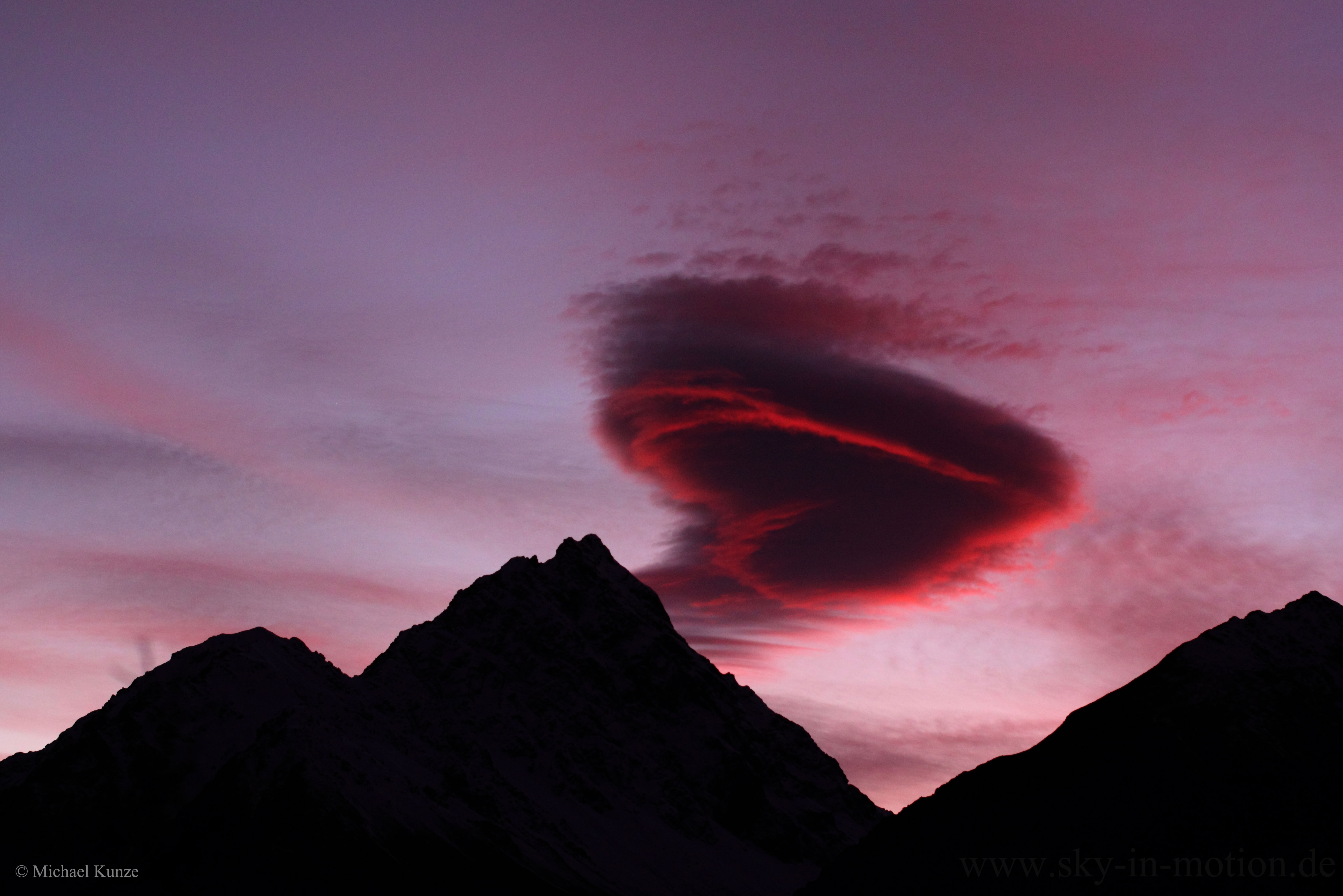
A Heart Shaped Lenticular Cloud 
Image Credit & Copyright: Michael Kunze
Explanation: Can a cloud love a mountain? Perhaps not, but on a Valentine's Day like today, one might be prone to seeing heart-shaped symbols where they don't actually exist. A fleeting pareidolia, the featured heart was really alenticular cloud that appeared one morning last July above Mount Cook National Park in New Zealand. A companion video shows the lenticular cloud was mostly stationary in the sky but shifted and vibrated with surrounding winds. The cloud's red color was caused by the Sun rising off the frame to the right. Lenticular clouds are somewhat rare but can form in air that passes over a mountain. Then, vertical eddies may form where rising air cools past the dew pointcausing water carried by the air to condense into droplets. Unfortunately, this amazing sight made the fascinated videographer late for breakfast.