2016-06-23

"Cristiano Ronaldo cometeu um crime"


Cristiano Ronaldo Caricature:
O presidente da Comissão da Carteira Profissional de Jornalista, Henrique Pires Teixeira, afirmou que Cristiano Ronaldo cometeu um crime à liberdade de informação quando atirou, esta quarta-feira, um microfone da CMTV para um lago de Lyon. "Está em causa um crime de atentado à liberdade de informação. O jornalista da CMTV estava a trabalhar e a cumprir a sua função. Só resta saber se Ronaldo agiu com intenção de o impedir de informar ou se havia alguma picardia anterior entre ambos. Trata-se de um crime público e o Ministério Público terá de investigar", afirmou, em declarações ao Expresso. Luís Filipe Simões, jornalista do diário A Bola e que faz parte da direção do Sindicato de Jornalistas, condenou a atitude do capitão da seleção das quinas. "É um comportamento não adequado, muito menos por parte do capitão da seleção nacional. O que torna ainda mais grave é ter sido um ato agressivo levado a cabo pelo capitão. Mesmo que não se pudessem colocar questões, não devia responder com agressividade. A atitude não constitui uma violação, mas sim um atropelo à liberdade de imprensa e um crime de dano, caso o microfone tenha ficado danificado", salientou. 

Correio da Manhã - Portugal

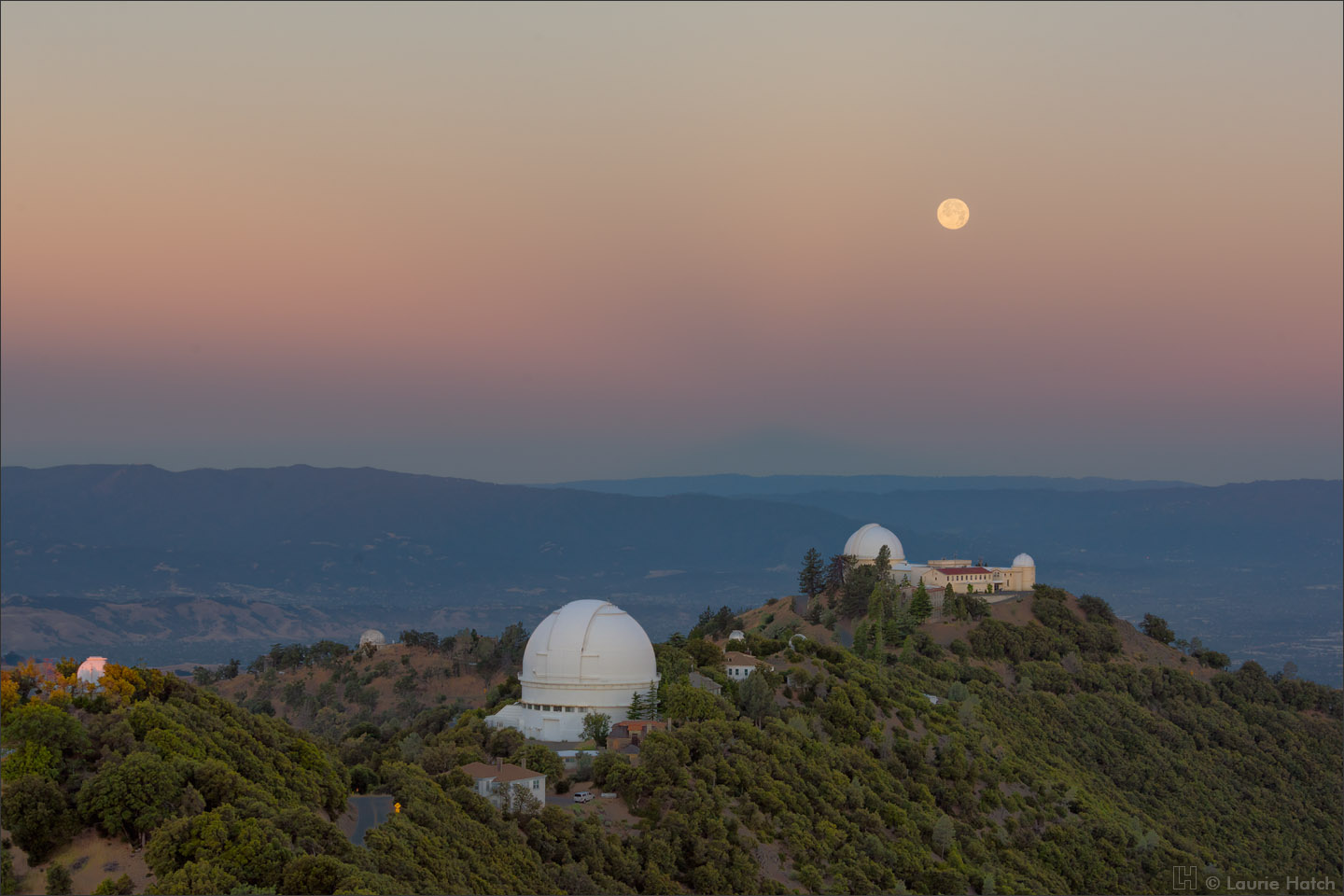
Astronomy picture of the day - 2016 June 23 - Solstice Dawn and Full Moonset

See Explanation.  Clicking on the picture will download
 the highest resolution version available.
Solstice Dawn and Full Moonset 
Image Credit & CopyrightLaurie Hatch
Explanation: A Full Moon sets as the Solstice Sun rises in this June 20 dawn skyscape. Captured from a nearby peak in central California, planet Earth, the scene looks across the summit of Mount Hamilton and Lick Observatorydomes on a calendar date that marks an astronomical change of seasons and hemispherical extremes of daylight hours. Earth's shadow stretches toward the Santa Cruz Mountains on the western horizon. Just above the atmospheric grey shadowband is a more colorful anti-twilight arch, a band of reddened, backscattered sunlight also known as the Belt of Venus. The interplay of solstice dates and lunar months does make this solstice and Full Moon a rare match-up. The next June solstice and Full Moon will fall on the same calendar date on June 21, 2062.

2016-06-22

Texto - Euro 2016 - Portugal qualificado para os oitavos.

Caricatura de Cristiano Ronaldo
Assistimos ao jogo Hungria-Portugal, com um resultado de 3-3.

Sou Português há 65 anos mas, sinceramente, vi um Portugal feito de individualidades medíocres a jogar contra uma equipa de Hungria sem génio mas que respeita o jogo e que, acima de tudo, joga de forma colectiva.

Do lado da equipa portuguesa a que assistimos? Um “patchwork” de jogadores medianos: Pepe (O caceteiro), R. Carvalho (O velho), Eliseu (invisível), João Mário (existe?), Moutinho (Um anão aldabrão), Nani (a dever dinheiro à reforma),  Vieirinha (inexperiente), André Gomes (quem é?)…e aos costumes mais não digo.

A não ser um seleccionador  teimoso e burro que, com a sua idade, já devia ter direito à reforma minima!

Deixo para o fim o “famoso” CR7…Ninguém duvida que, tecnicamente, é um excelente jogador (melhor do mundo, dizem…).

Mas como “capitão” e jogador da Selecção é um elemento de menor-valia. Ele canibaliza todo o jogo colectivo; e o seu egocentrismo obriga os companheiros a jogarem “só” para ele, fazendo de Portugal uma equipa que não consegue bater islandeses, austríacos, nem húngaros…


Nos valha a Nossa Senhora de Fátima e o Fado, porque no Futebol temos muito que aprender!

Se não chegar, apelemos também à N. Senhora de São Cricalho como dizia uma amiga minha.

Quanto a mim, terminarei este breve comentario com um f#d@-sse bem sentido!

22-06-2016

JoanMira    

Imagens do Mundo - Sitios lindos de Portugal - Lajes do Pico (Açores)


Na Ilha dos Açores, Lages do Pico é uma pequena povoação que sempre viveu da caça à a baleia. Hoje em dia, o Pico mantem a tradição maritima dos seus habitantes-pescadores mas deixou de capturar os magnificos animais. Os barcos foram adaptados porque a sanguinaria necessidade foi transformada em safari fotografico de contemplação dos majestosos e belos cetaceos.

Legenda: JoanMira

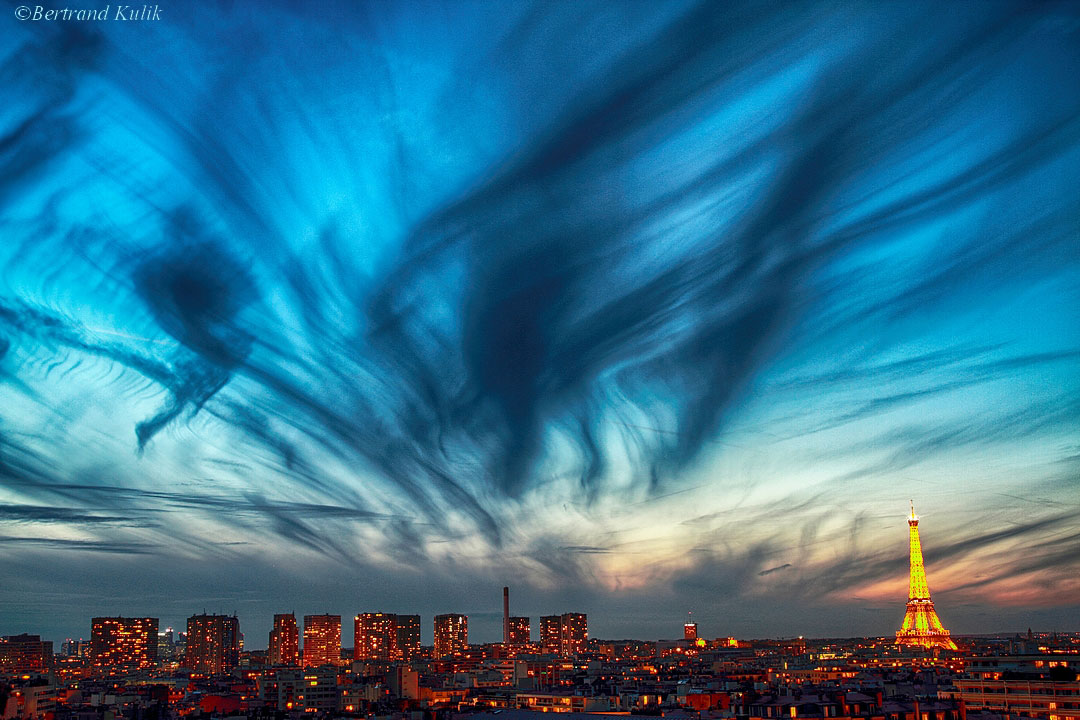
Astronomy picture of the day - 2016 June 22 - Cirrus over Paris

See Explanation.  Clicking on the picture will download
 the highest resolution version available.
Cirrus over Paris 
Image Credit & Copyright: Bertrand Kulik
Explanation: What's that over Paris? Cirrus. Typically, cirrus clouds appear white or gray when reflecting sunlight, can appear dark at sunset (or sunrise) against a better lit sky. Cirrus are among the highest types of clouds and are usually thin enough to see stars through. Cirrus clouds may form from moisture released above storm clouds and so may herald the arrival of a significant change in weather. Conversely, cirrus clouds have also been seen on Mars,JupiterSaturnTitanUranus, and Neptune. The featured image was taken two days ago from a window in District 15ParisFranceEarth. The brightly lit object on the lower right is, of course, the Eiffel Tower.

2016-06-21

Imagens do Mundo - Sitios lindos de Portugal - Marvão


A sua muralha do século XIII protege as casinhas brancas . A quase 900 m de altitude, esta vila medieval vigia a Espanha.

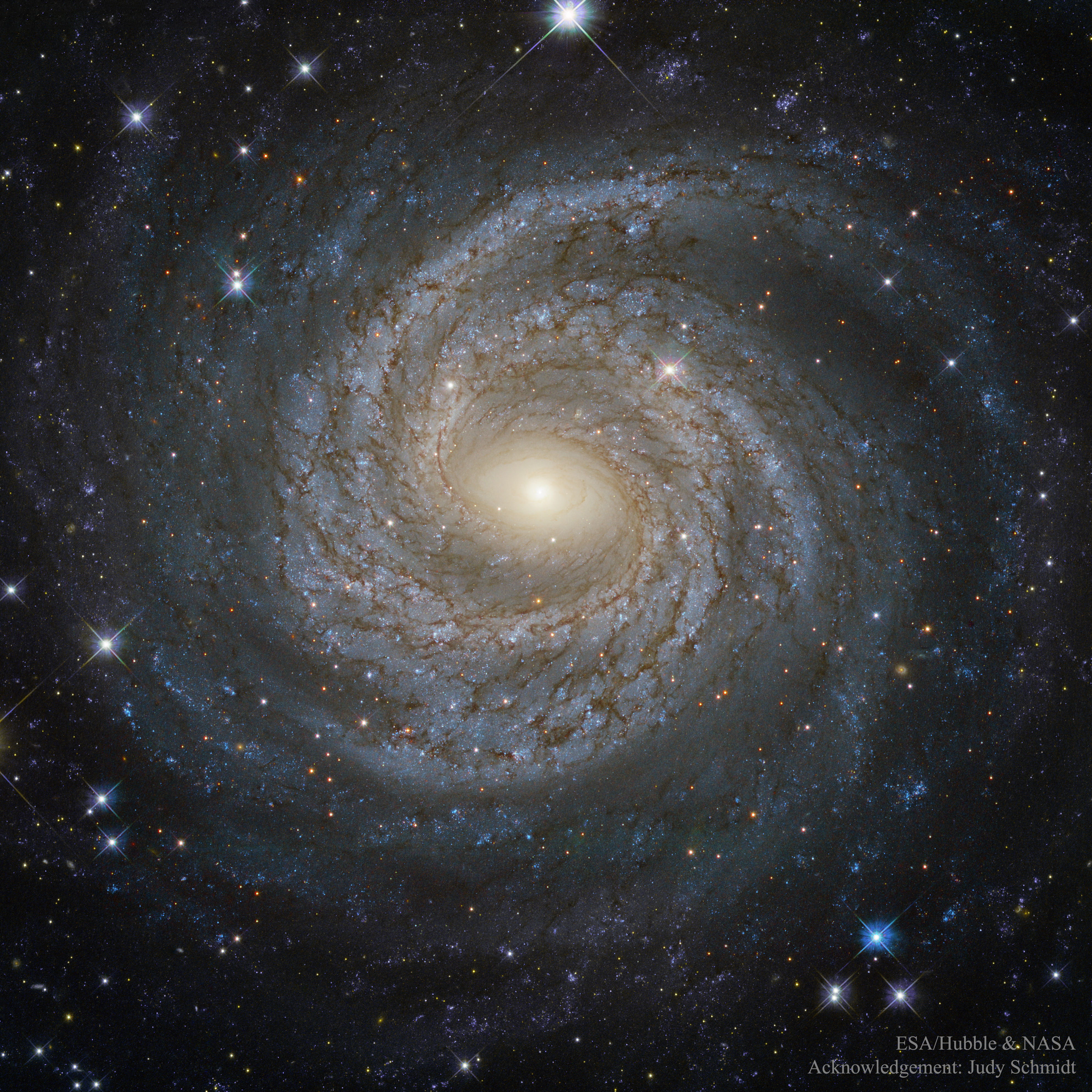
Astronomy picture of the day - 2016 June 21 - NGC 6814: Grand Design Spiral Galaxy from Hubble

See Explanation.  Clicking on the picture will download
 the highest resolution version available.
NGC 6814: Grand Design Spiral Galaxy from Hubble 
Image Credit: ESA/Hubble & NASAAcknowledgement: Judy Schmidt (Geckzilla)
Explanation: In the center of this serene stellar swirl is likely a harrowing black-hole beast. The surrounding swirl sweeps around billions of stars which are highlighted by the brightest and bluest. The breadth and beauty of the display give the swirl the designation of a grand design spiral galaxy. The central beast shows evidence that it is a supermassive black hole about 10 million times the mass of our Sun. This ferocious creature devours stars and gas and is surrounded by a spinning moat of hot plasma that emits blasts of X-rays. The central violent activity gives it the designation of a Seyfert galaxy. Together, this beauty and beast are cataloged as NGC 6814 and have been appearing together toward the constellation of the Eagle (Aquila) for roughly the past billion years.

Antonio Vivaldi - "Summer" - Slides - Music

Afficher l'image d'origine
"Summer"

2016-06-20

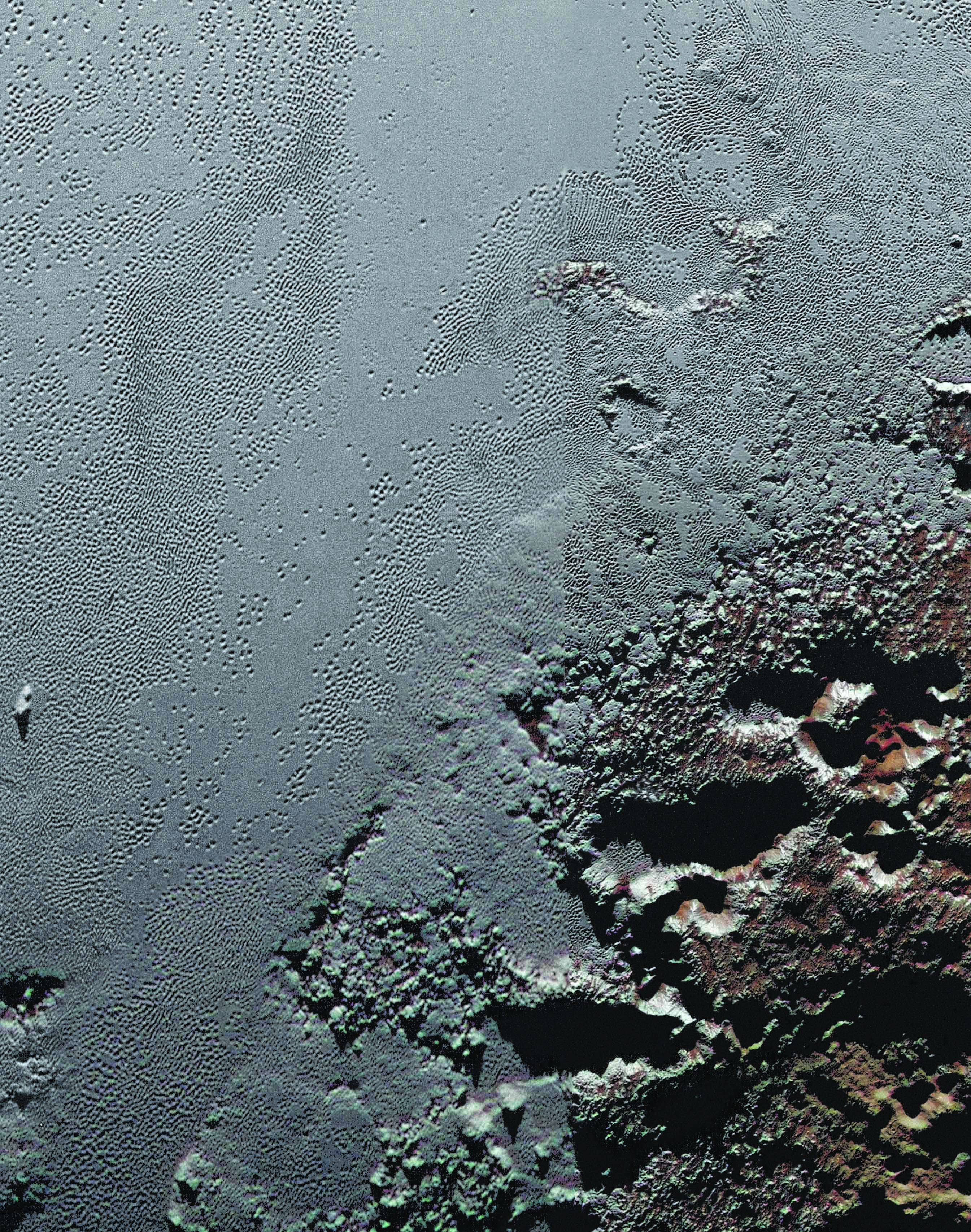
Astronomy picture of the day - 2016 June 20 - Sputnik Planum vs. Krun Macula

See Explanation.  Clicking on the picture will download
 the highest resolution version available.
Sputnik Planum vs. Krun Macula 
Image Credit: NASAJohns Hopkins Univ./APLSouthwest Research Institute
Explanation: Pluto's pitted plains meet rugged highlands in this stunning view. On the left lies a southeastern extent of the bright region still informally known as Sputnik Planum. At right the edge of a dark region, informally Krun Macula, rises some 2.5 kilometers above the icy plains. Along the boundary, connected clusters of large pits form deep valleys, some over 40 kilometers long with shadowy floors. Nitrogen ice is likely responsible for the more reflective plains. The dark red color of the highlands is thought to be from complex compounds called tholins, a product of ultraviolet light induced chemical reactions with methane in Pluto's atmosphere. The enhanced color image includes portions of the highest and second highest resolution image data from the New Horizons July 2015 flyby of the distant world.

2016-06-19

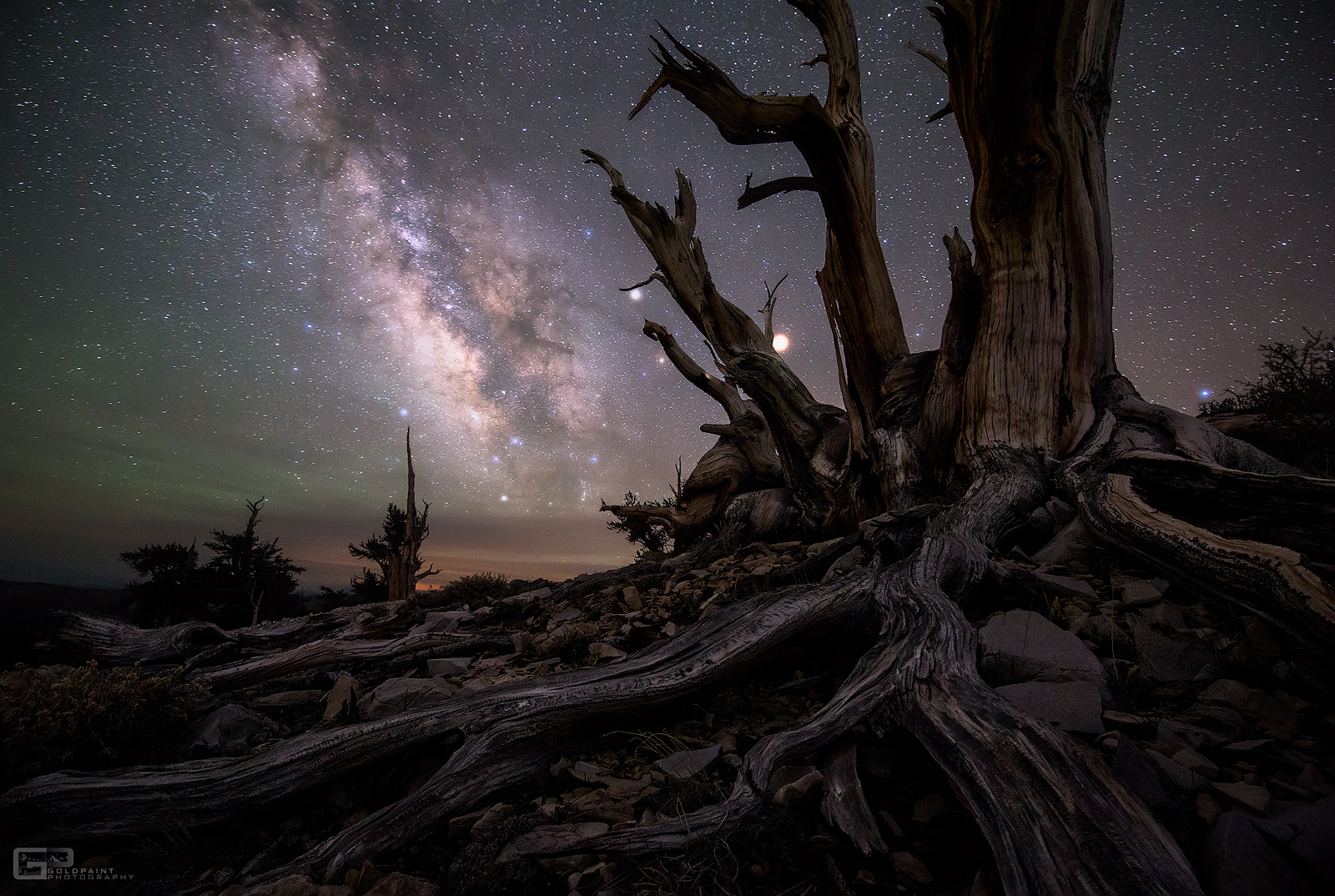
Astronomy picture of the day - 2016 June 19 -

See Explanation.  Clicking on the picture will download
 the highest resolution version available.
2016 June 19 
Galaxy and Planets Beyond Bristlecone Pines 
Image Credit & Copyright: Brad Goldpaint (Goldpaint Photography)
Explanation: What's older than these ancient trees? Nobody you know -- but almost everything in the background of this picture. The trees are impressively old -- each part of the Ancient Bristlecone Pine Forest located in easternCaliforniaUSA. There, many of the oldest trees known are located, some dating as far back as about 5,000 years. Seemingly attached to tree branches, but actually much farther in the distance, are the bright orbs of Saturn (left) andMars. These planets formed along with the Earth and the early Solar System much earlier -- about 4.5 billion years ago. Swooping down diagonally from the upper left is the oldest structure pictured: the central band of our Milky Way Galaxy -- dating back around 9 billion years. The featured image was built from several exposures all taken from the same location -- but only a few weeks ago.