2015-10-19

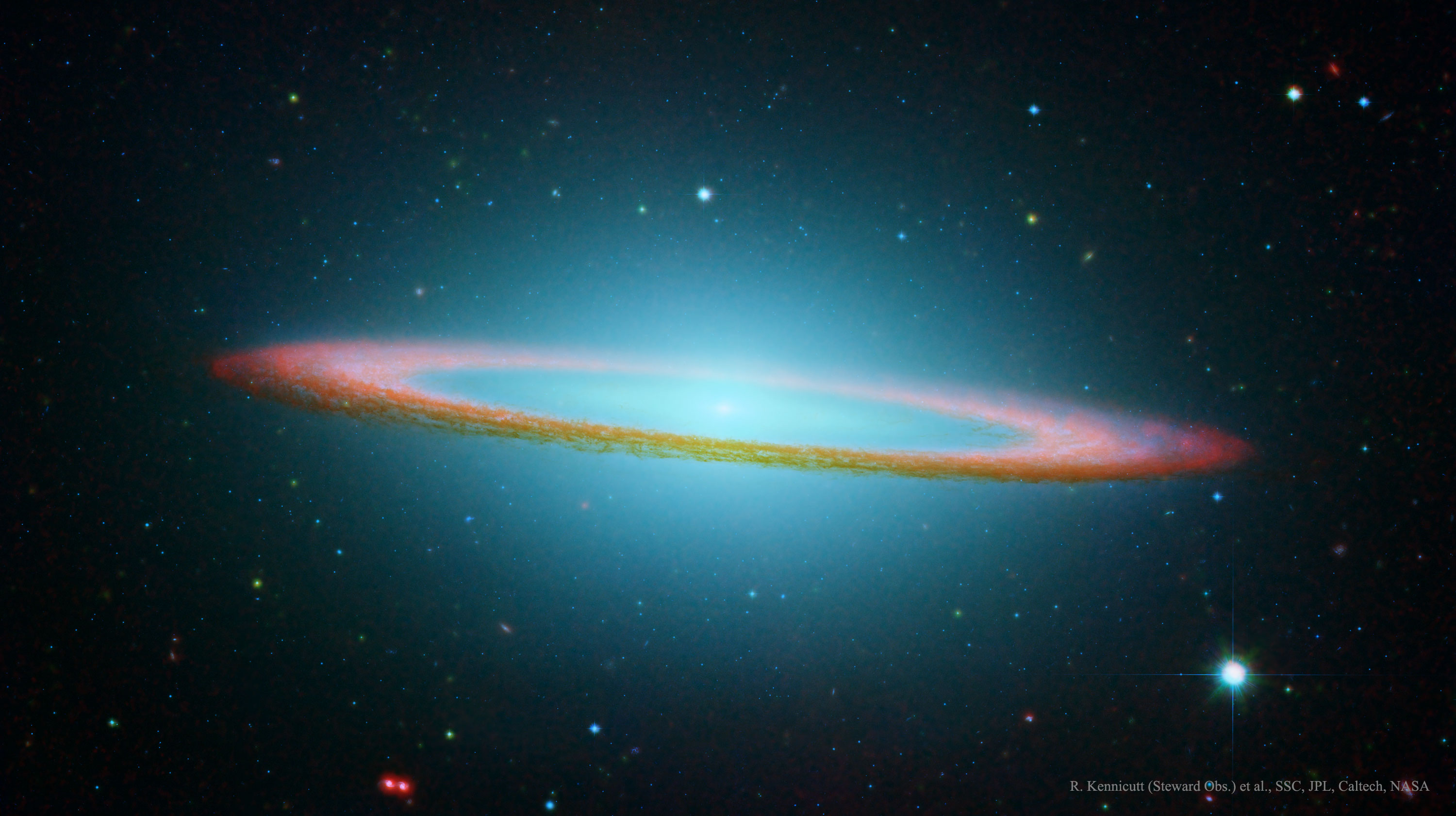
Astronomy picture of the day - 2015 October 19 - The Sombrero Galaxy in Infrared

See Explanation.  Clicking on the picture will download
 the highest resolution version available.
The Sombrero Galaxy in Infrared 
Image Credit: R. Kennicutt (Steward Obs.) et al., SSCJPLCaltechNASA
Explanation: This floating ring is the size of a galaxy. In fact, it is a galaxy -- or at least part of one: the photogenic Sombrero Galaxy, one of the largest galaxies in the nearby Virgo Cluster of Galaxies. The dark band of dust that obscures the mid-section of the Sombrero Galaxy in optical light actually glows brightly in infrared light. The above image, digitally sharpened, shows the infrared glow, recently recorded by the orbiting Spitzer Space Telescope, superposed in false-color on an existing image taken by NASA's Hubble Space Telescope in optical light. The Sombrero Galaxy, also known as M104, spans about 50,000 light years across and lies 28 million light years away. M104can be seen with a small telescope in the direction of the constellation Virgo.

2015-10-18

José Afonso - "Cantar alentejano" Audio - Musica

Afficher l'image d'origine
"Cantar alentejano"

Mark Knofler - "Beryl" - Video - Music - Live

Afficher l'image d'origine
"Beryl"

Phil Collins and Sting - "Long long way to go" - Video - Music

Afficher l'image d'origineAfficher l'image d'origine
"Long long way to go" 

U2 - "Every breaking wave" - Video - Music

Afficher l'image d'origine
"Every breaking wave"

Aguarelas de Steve Hanks - 18--10-2015

Melhor pintor de aguarelas - Pinturas de Steve Hanks
Pinturas de Steve Hanks – Isto é de génio ! Se não é o melhor pintor de aguarelas, está, definitivamente, entre os melhores pintores de aguarelas realistas do mundo. Não se afasta da clássica pintura americana, mas mesmo assim, é surpreendente a técnica minuciosa, de pinceladas precisas e, um cromatismo que envolve a representação de um ambiente em luz natural. O realismo dos trabalhos do melhor pintor de aguarelas é um facto, mas a sua obra não deixa de ter características que denominam o naturalismo e do romantismo…

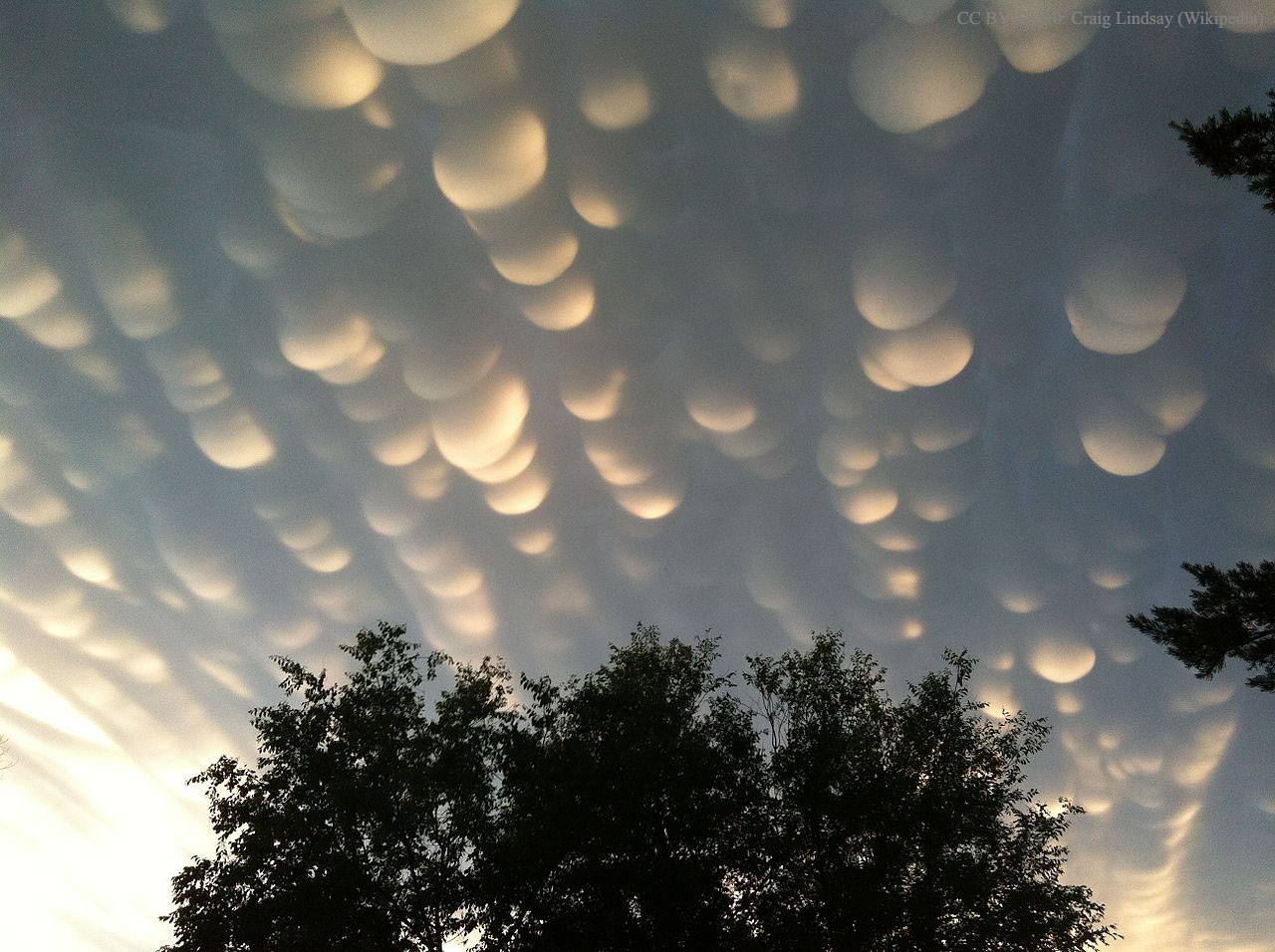
Astronomy picture of the day - 2015 October 18 - Mammatus Clouds Over Saskatchewan

2015 October 18
See Explanation.  Clicking on the picture will download
 the highest resolution version available.
Mammatus Clouds Over Saskatchewan 
Image Credit & LicenceCraig Lindsay, Wikipedia
Explanation: Why is this cloud so bubbly? Normally, cloud bottoms are flat. The flatness is caused by moist warm air that rises and cools and so condenses into water droplets at a specific temperature, which usually corresponds to a very specific height. As water droplets grow, an opaque cloud forms. Under some conditions, however, cloud pockets can develop that contain large droplets of water or ice that fall into clear air as they evaporate. Such pockets may occur in turbulent air near a thunderstorm. Resulting mammatus clouds can appear especially dramatic if sunlit from the side. These mammatus clouds were photographed over Regina, SaskatchewanCanada during the summer of 2012.

Texto - Aniversario da Alita


Chatice do caraças é quando um man se deve de ser original por ocasião de votos de felicidade a um (a) aniversariante; mas que pôrra a de querer ser diferente do comum dos mortais que se limitam,  com ou sem sinceridade, a escrever : “Feliz Aniversario”.

Acho que, fora a falta de sinceridade, têm aqueles toda a razão; até admito que nada se diga ou escreva pois o apreço que possamos ter pelos seres não deve nem pode limitar-se a lembrarmo-nos deles quando fazem anos. Importante é tê-los sempre presentes na nossa mente e ajuda-los quando se possa e torne necessário.

Assim “penso eu de que”…

Portanto minha prima Alita, para não quebrar a tradição (que dos nossos antepassados já vem – Oh Senhor das Furnas! –) dedico uma pequenina parte do meu precioso e estudioso tempo para te desejar o melhor: alegria, convívio com teus Pais e Amigos e sobretudo saude.

Não queria terminar este pequenino texto sem deixar de te lembrar uma anedota que me veio à memoria nesta ocasião:

A Cena é assim: marido e mulher na cama; o homem tenta uma aproximação movida pelo tesão. A mulher afasta-o dizendo-lhe: “Homem, nã pode ser nada porque estou ca galiquêra”. Primeiro aborrecido, logo ele retorque com um sorriso duma a outra orelha: “Atão parabéns querida”!
 -“Parabéns porquêi?”
- Responde o macho: “Atão porque é dia d’ANUS”!!!


Bayonne, 18 de Outubro de 2015.
JoanMira

2015-10-17

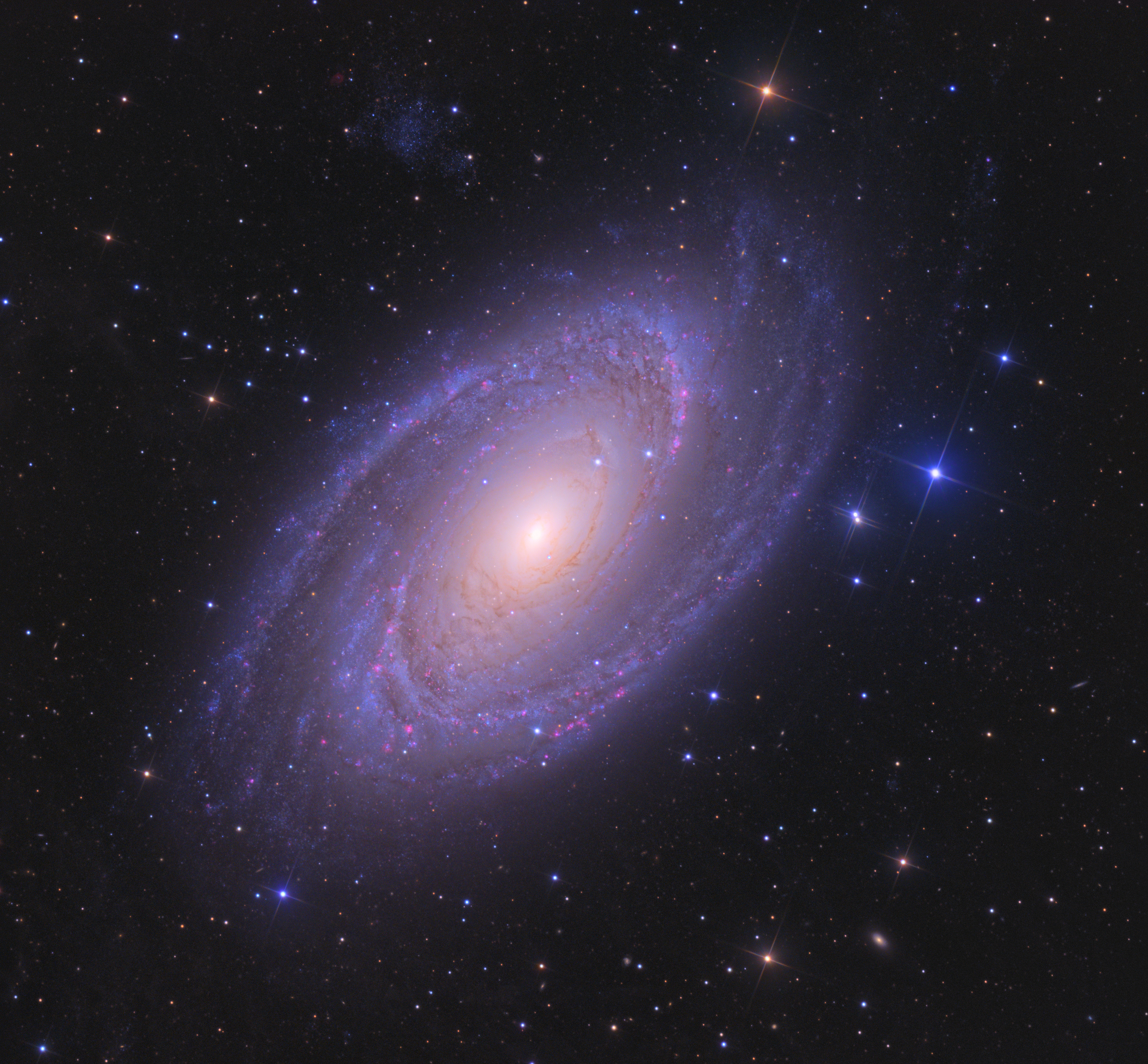
Astronomy picture of the day - 2015 October 17 - Bright Spiral Galaxy M81

See Explanation.  Clicking on the picture will download
 the highest resolution version available.
Bright Spiral Galaxy M81 
Image Credit & CopyrightKen Crawford (Rancho Del Sol Observatory)
Explanation: One of the brightest galaxies in planet Earth's sky is similar in size to our Milky Way Galaxy: big, beautiful M81. The grand spiral galaxy can be found toward the northern constellation of the Great Bear (Ursa Major). This superbly detailed image reveals M81's bright yellow nucleus, blue spiral arms, tell tale pinkish star forming regions, and sweeping cosmic dust lanes with a scale comparable to the Milky Way. Hinting at a disorderly past, a remarkable dust lane actually runs straight through the disk, to the left of the galactic center, contrary to M81's other prominent spiral features. The errant dust lane may be the lingering result of a close encounter between between M81 and its smaller companion galaxy, M82. Scrutiny of variable stars in M81 has yielded one of the best determined distances for an external galaxy -- 11.8 million light-years. M81's dwarf companion galaxy Holmberg IX can be seen just above the large spiral.

2015-10-16

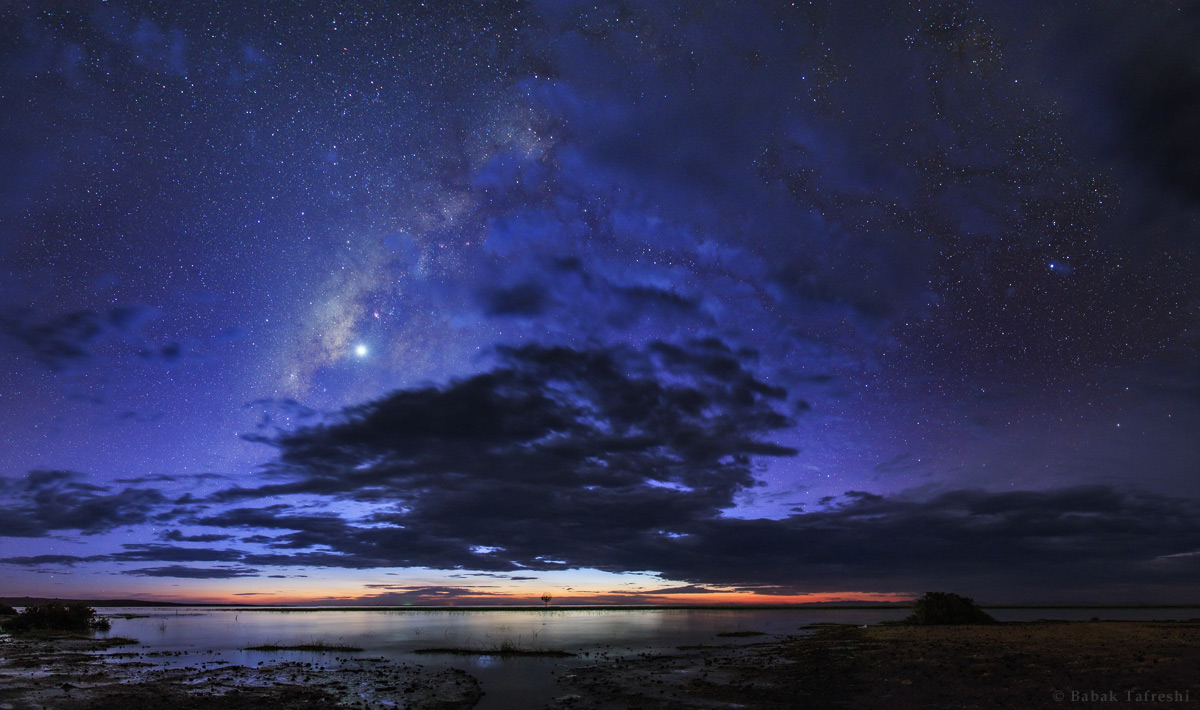
Astronomy picture of the day - 2015 October 16 - Night Hides the World

See Explanation.  Clicking on the picture will download
 the highest resolution version available.
Night Hides the World 
Image Credit & CopyrightBabak Tafreshi (TWAN)
Explanation: Stars come out as evening twilight fades in this serene skyscape following the Persian proverb "Night hides the world, but reveals a universe." The scene finds the Sun setting over northern Kenya and the night will soon hide the shores of Lake Turkana, home to many Nile crocodiles. The region is also known for its abundance of hominid fossils. On that past November night, a brilliant Venus, then the world's evening star, dominates the starry skies above. But also revealed are faint stars, cosmic dust clouds, and glowing nebulae along the graceful arc of our own Milky Way galaxy.