António Guterres é o novo Secretário-Geral da ONU. A votação que decorreu esta manhã em Nova Iorque deu ao antigo primeiro-ministro a sexta vitória e o processo ficou concluído com a escolha do português para o cargo. O próprio António Guterres reagiu no Twitter. "Foi conseguido um acordo. Do Conselho de Segurança da ONU para me eleger como o novo Secretário-Geral da ONU. Estou honrado e feliz.
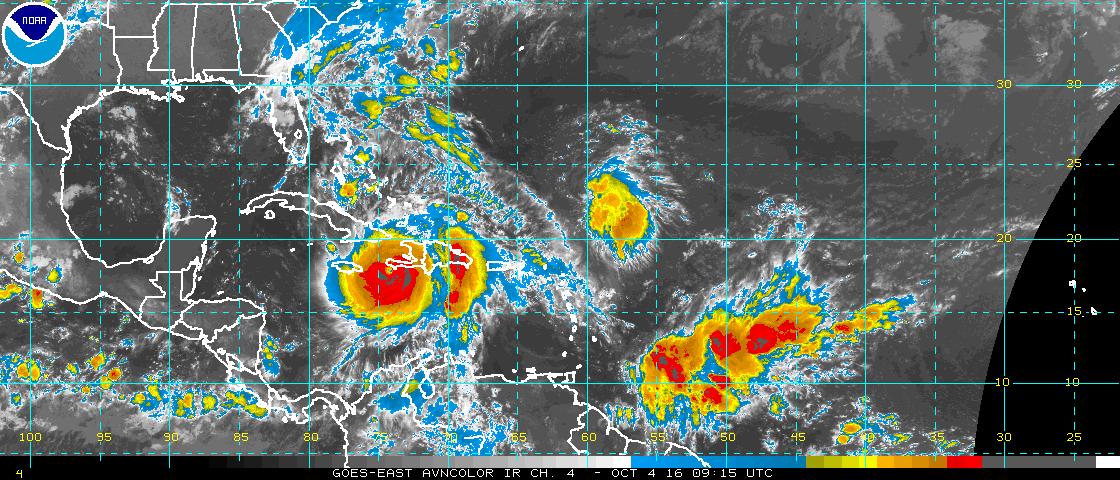
Baracoa (Cuba), 5 oct (EFE).- Derrumbes totales y parciales de viviendas, postes de electricidad en el suelo, carreteras y comunicaciones cortadas. Este es el primer balance que deja el huracán Matthew en la parte oriental de Cuba.
Entre las ciudades más azotadas se encuentra Baracoa, que ha estado marcada por los vientos sostenidos de hasta 250 kilómetros por hora y el oleaje de varios metros de altura.
Por el momento las autoridades no han reportado daños personales, aunque de haberlos se prevé que sean mínimos debido a las rigurosas medidas de prevención tomadas durante los días previos a la llegada de Matthew, que incluyeron la evacuación de 1,3 millones de personas.
En esa ciudad, la primera fundada por los conquistadores españoles hace más de 500 años, en las primeras horas de la mañana trabajaban brigadas de salvamento y la Cruz Roja para rescatar a personas que quedaron atrapadas en pisos altos de edificios, ya que el huracán derribó las escaleras.
Muchos habitantes que no habían abandonado sus casas tuvieron que hacerlo en medio del huracán y trasladarse a viviendas más seguras pero que también sufrieron daños, ya que el impacto de Matthew fue peor de lo esperado, relataron a Efe algunos de los afectados.
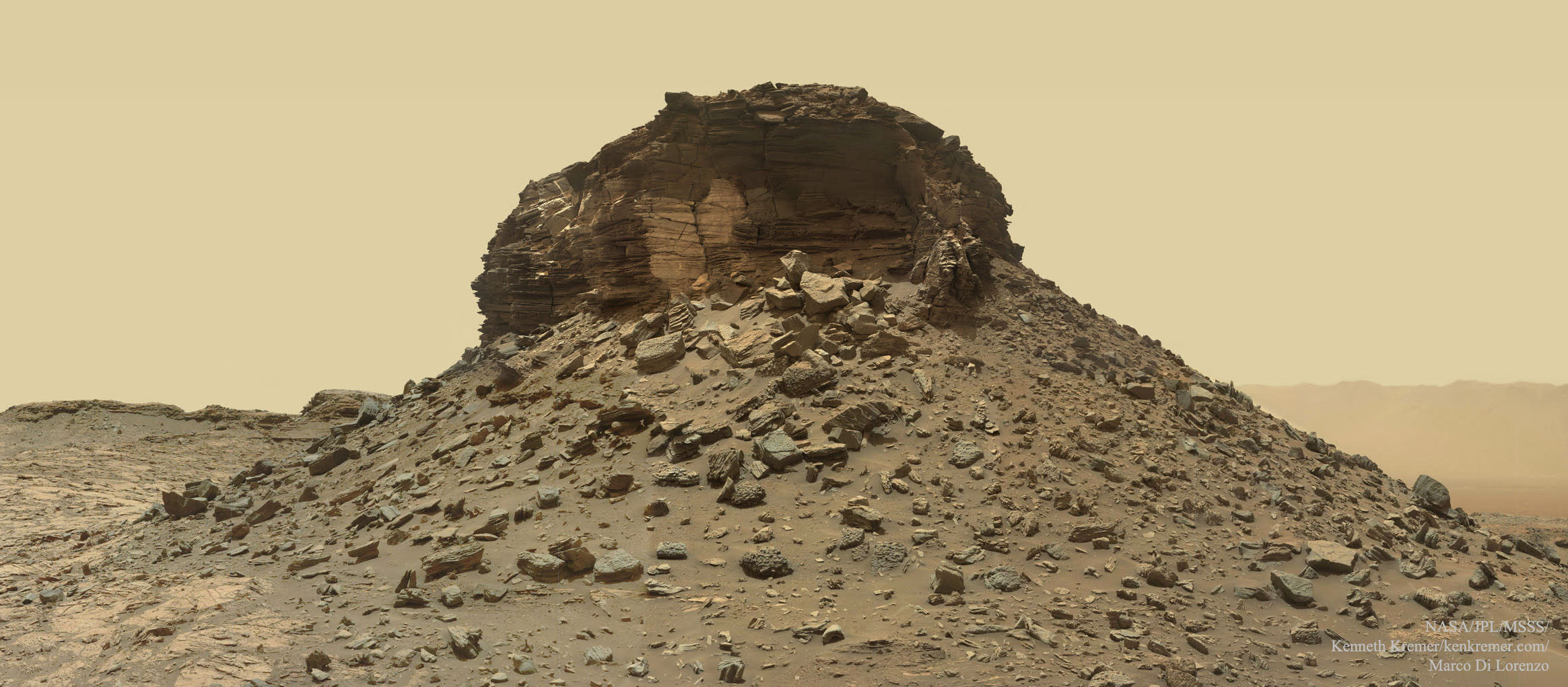
A Crumbling Layered Butte on Mars Image Credit: NASA, JPL-Caltech, MSSS; Compilation & Processing : Kenneth Kremer, Marco Di Lorenzo
Explanation: What is this unusual mound on Mars? NASA's Curiosity rover rolling across Mars has come across a group of these mounds that NASA has labelled Murray Buttes. Pictured is a recently assembled mosaic image of one of the last of the buttes passed by Curiosity on its way up Mt. Sharp -- but also one of the most visually spectacular. Ancient water-deposited layers in relatively dense -- but now dried-out and crumbling -- windblown sandstone tops the 15-meter tall structure. The rim of Gale crater is visible in the distance. Curiosity continues to accumulate clues about how Mars changed from a planet with areas wet and hospitable to microbial life to the dry, barren, rustedlandscape seen today.
Hace apenas unos minutos, a las 6:00 am, hora local, el Centro de Pronósticos de Cuba (INSMET) ha dado a conocer su aviso no. 25 sobre la evolución del huracán Matthew, que ya ha tocado suelo haitiano.
Las provincias desde Camagüey hasta Guantánamo deben mantenerse muy atentas a la evolución y futura trayectoria del intenso huracán Matthew, que representa un peligro para la región oriental de Cuba. Debido a la extensa área de nublados, lluvias, y el campo de vientos con fuerza de tormenta tropical que acompaña a este huracán, las provincias de la región central deben prestar igualmente atención a este organismo ciclónico tropical.
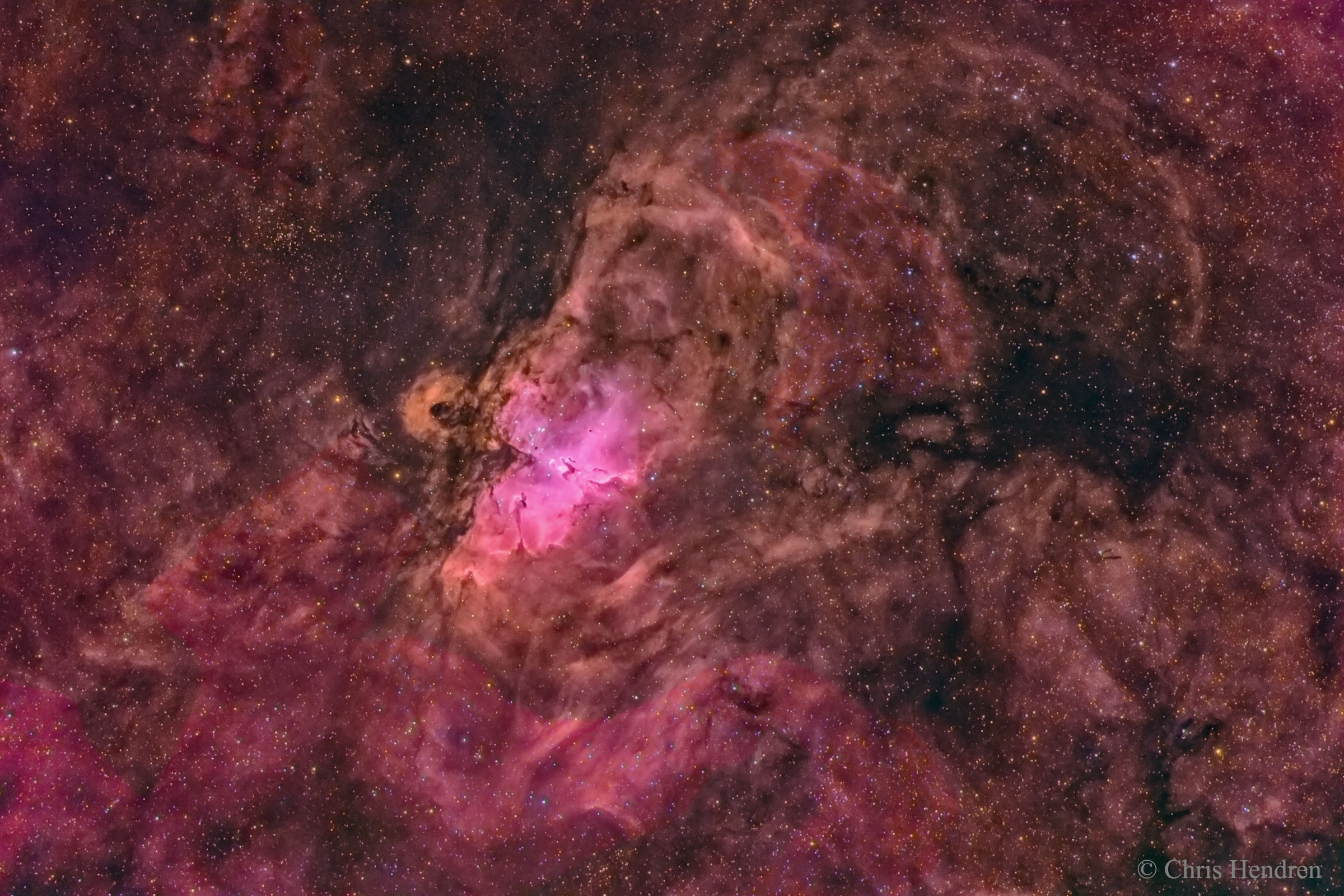
Nest of the Eagle Nebula Image Credit & Copyright: Chris Hendren
Explanation: What surrounds the famous Eagle Nebula? The inside of the Eagle Nebula contains eggs -- evaporating gaseous globules -- that typically reside in tremendous pillars of gas and dust and where stars form. This image, though, dramatically captures the area surrounding the Eagle Nebula, showing not only the entire Eagle shape, but also enormous volumes of glowing gas and dark dust. Cataloged as M16, the Eagle emission nebula lies about 6,500light years away and is visible with binoculars toward the constellation of the Serpent (Serpens). The image spans about 80 light years around the nebula. The iconic center of the Eagle Nebula has been the focus of many observational efforts both from the ground and orbitingobservatories.
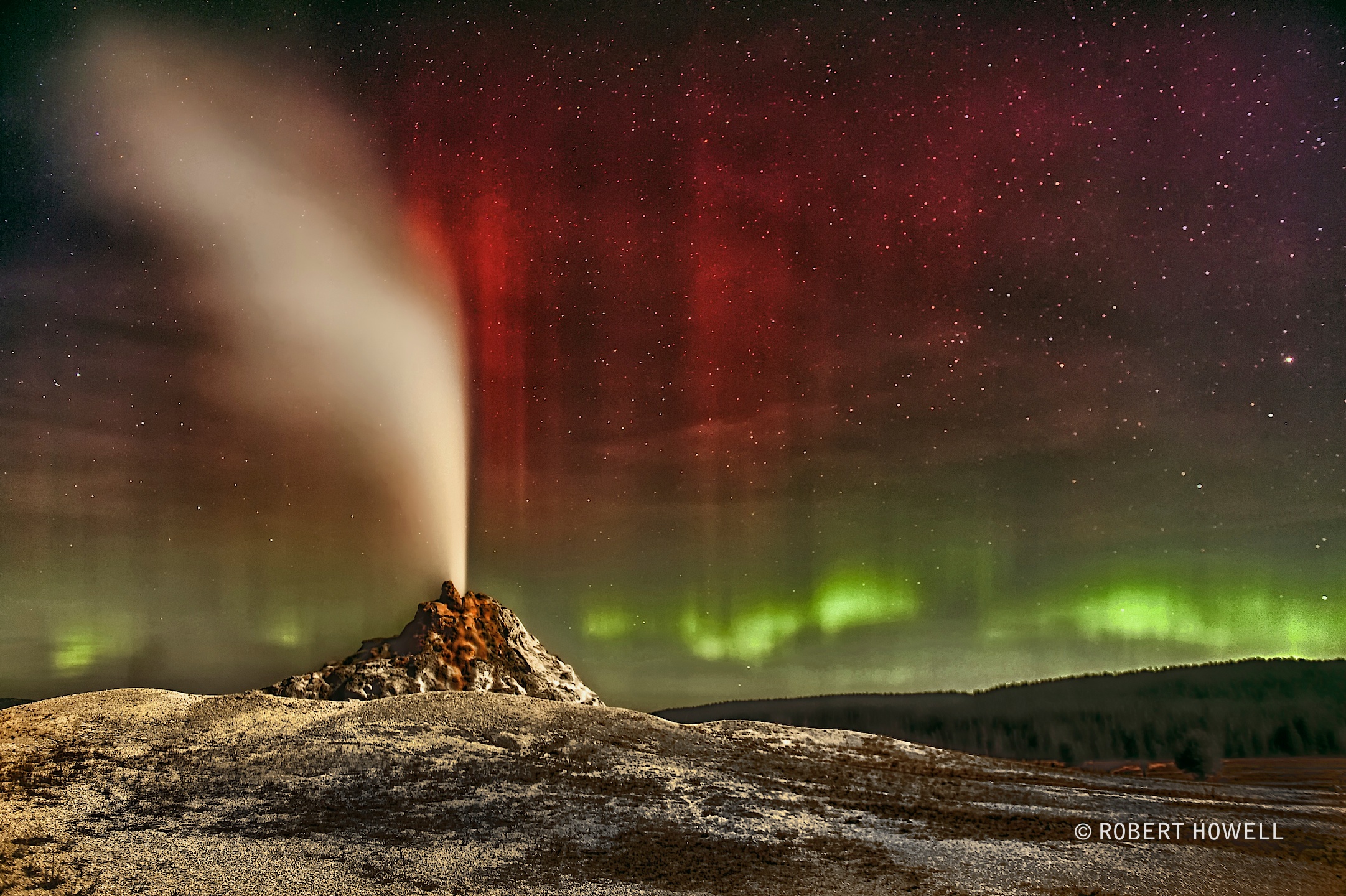
Aurora Over White Dome Geyser Image Credit & Copyright: Robert Howell
Explanation: Sometimes both heaven and Earth erupt. Colorful aurorae erupted unexpectedly a few years ago, with green aurora appearing near the horizon and brilliant bands of red aurora blooming high overhead. A bright Moon lit the foreground of this picturesque scene, while familiar stars could be seen far in the distance. With planning, the careful astrophotographer shot this image mosaic in the field of White Dome Geyser in Yellowstone National Park in the western USA. Sure enough, just after midnight, White Dome erupted -- spraying a stream of water and vapor many meters into the air. Geyser water is heated to steam by scalding magma several kilometers below, and rises through rock cracks to the surface. About half of all known geysers occur in Yellowstone National Park. Although the geomagnetic storm that created these aurorae has since subsided, eruptions of White Dome Geyser continue about every 30 minutes.
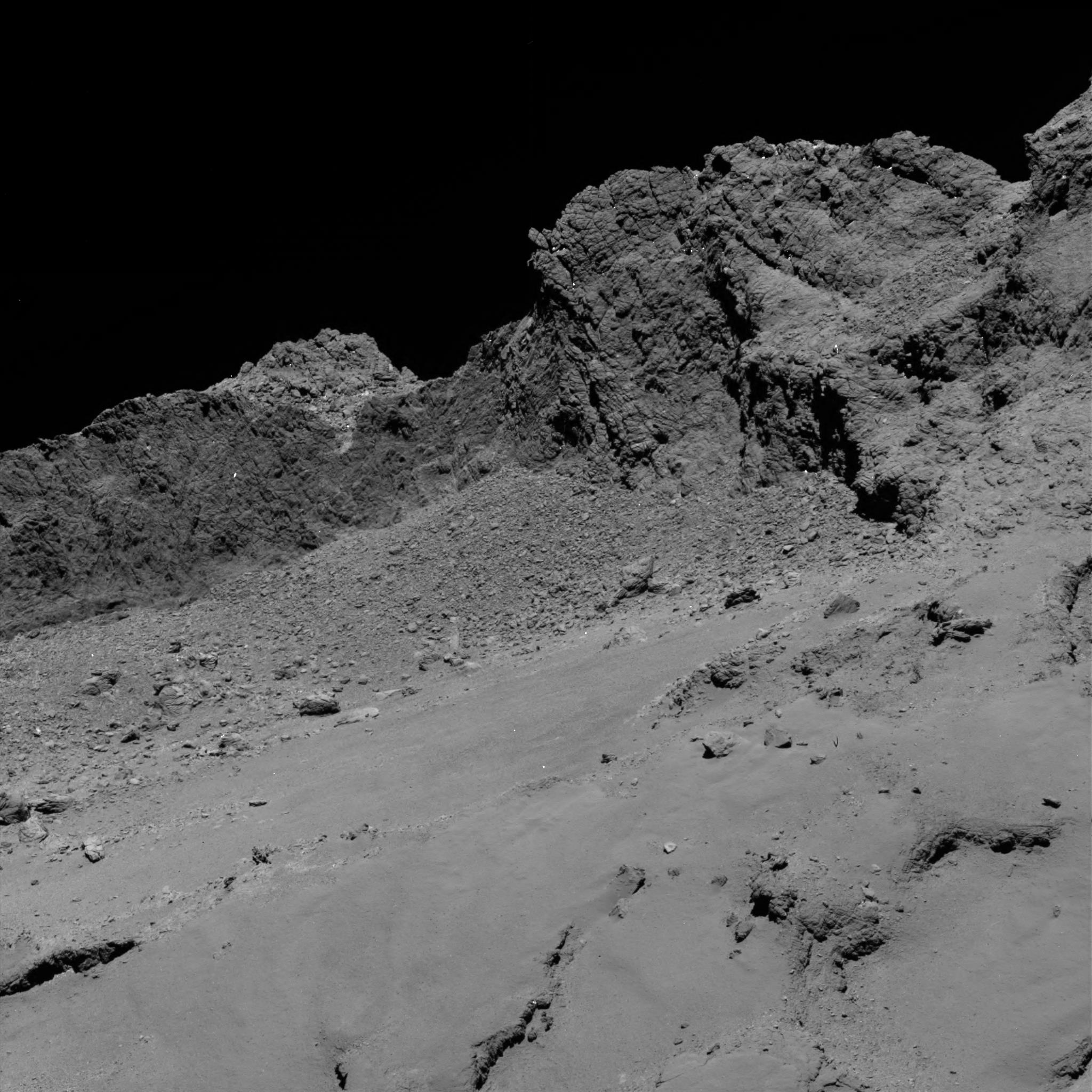
Explanation: After closely following comet 67P/Churyumov-Gerasimenko for 786 days as it rounded the Sun, the Rosetta spacecraft's controlled impact with the comet's surface was confirmed by the loss of signal from the spacecraft on September 30, 2016. One the images taken during its final descent, this high resolution view looks across the comet's stark landscape. The scene spans just over 600 meters (2,000 feet), captured when Rosetta was about 16 kilometers from the comet's surface. Rosetta's descent to the comet brought to an end the operational phase of an inspirational mission of space exploration. Rosetta deployed a lander to the surface of one of the Solar System's most primordial worlds and witnessed first hand how a comet changes when subject to the increasing intensity of the Sun's radiation. The decision to end the mission on the surface is a result of the comet's orbit now taking it to the dim reaches beyond Jupiter where there would be a lack of power to operate the spacecraft. Mission operators also faced an approaching period where the Sun would be close to line-of-sight between Earth and Rosetta, making radio communications increasingly difficult.

![António Guterres [Foto: Reuters]](https://lh3.googleusercontent.com/blogger_img_proxy/AEn0k_s-WwMtbVvgNH5CNAfcuYCKomUp7M1OSnE5Fk7T62a8L0wiko3AeH9k38Yz4ngIV56eqleHn4M19_Tknp6QuM9wxP2-Fzh7xffFDY-bDAdTV03KpHbgxsEAlQwbR4kh2me2J3FzAWCqB92fdHPdt5eYYxDGfmBZ7o0=s0-d)