2015-11-18

Astronomy picture of the day - 2015 November 18 - A Sudden Jet on Comet 67P

See Explanation.  Clicking on the picture will download
 the highest resolution version available.
A Sudden Jet on Comet 67P 
Image CreditESA/Rosetta/MPS
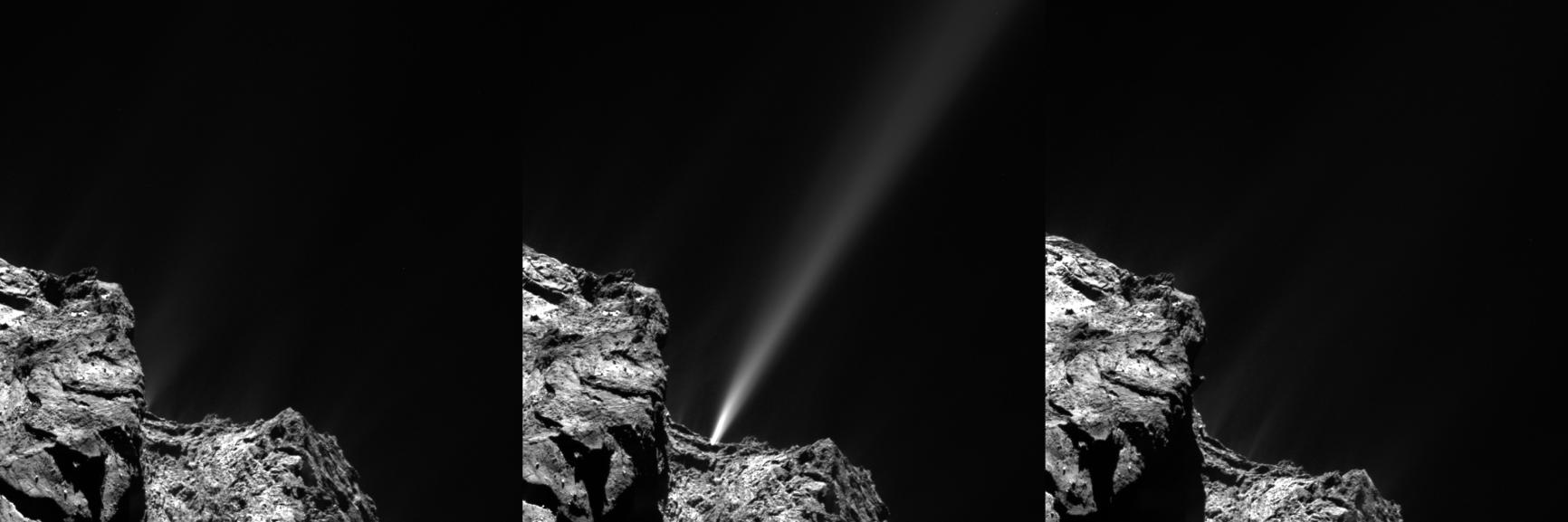
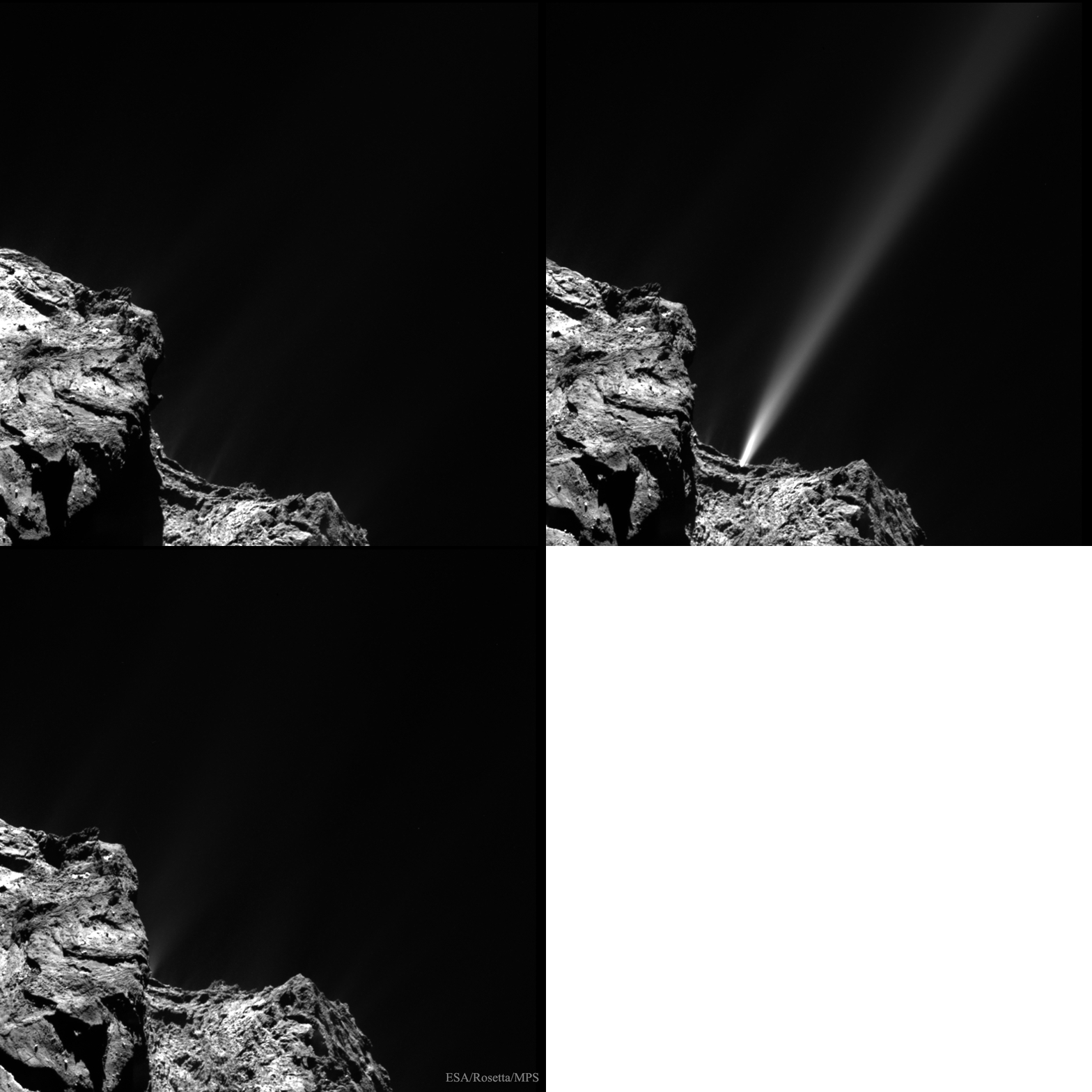
Explanation: There she blows! A dramatic demonstration of how short-lived some comet jets can be was documented in late July by the robotic Rosetta spacecraft orbiting the nucleus of Comet 67P/Churyumov-Gerasimenko. Thefeatured animation depicts changes in the rotating comet with three illuminating stills. Although the first frame shows nothing unusual, the second frame shows a sudden strong jet shooting off the 67P's surface only 20 minutes later, while the third frame -- taken 20 minutes after that -- shows but a slight remnant of the once-active jet. As comets near the Sun, they can produce long and beautiful tails that stream across the inner Solar System. How comet jets produce these tails is a topic of research -- helped by images like this. Another recent Rosetta measurement indicates that the water on Earth could not have come from comets like 67P because of significant differences in impurities. Comet 67Pspans about four kilometers, orbits the Sun between Earth and Jupiter, and has been the home for ESA's Rosetta spaceship since 2014 August. Rosetta is currently scheduled to make a slow crash onto Comet 67P's surface in late 2016.

2015-11-17

Astronomy picture of the day - 2015 November 17 - The Pelican Nebula in Gas, Dust, and Stars

See Explanation.  Clicking on the picture will download
 the highest resolution version available.
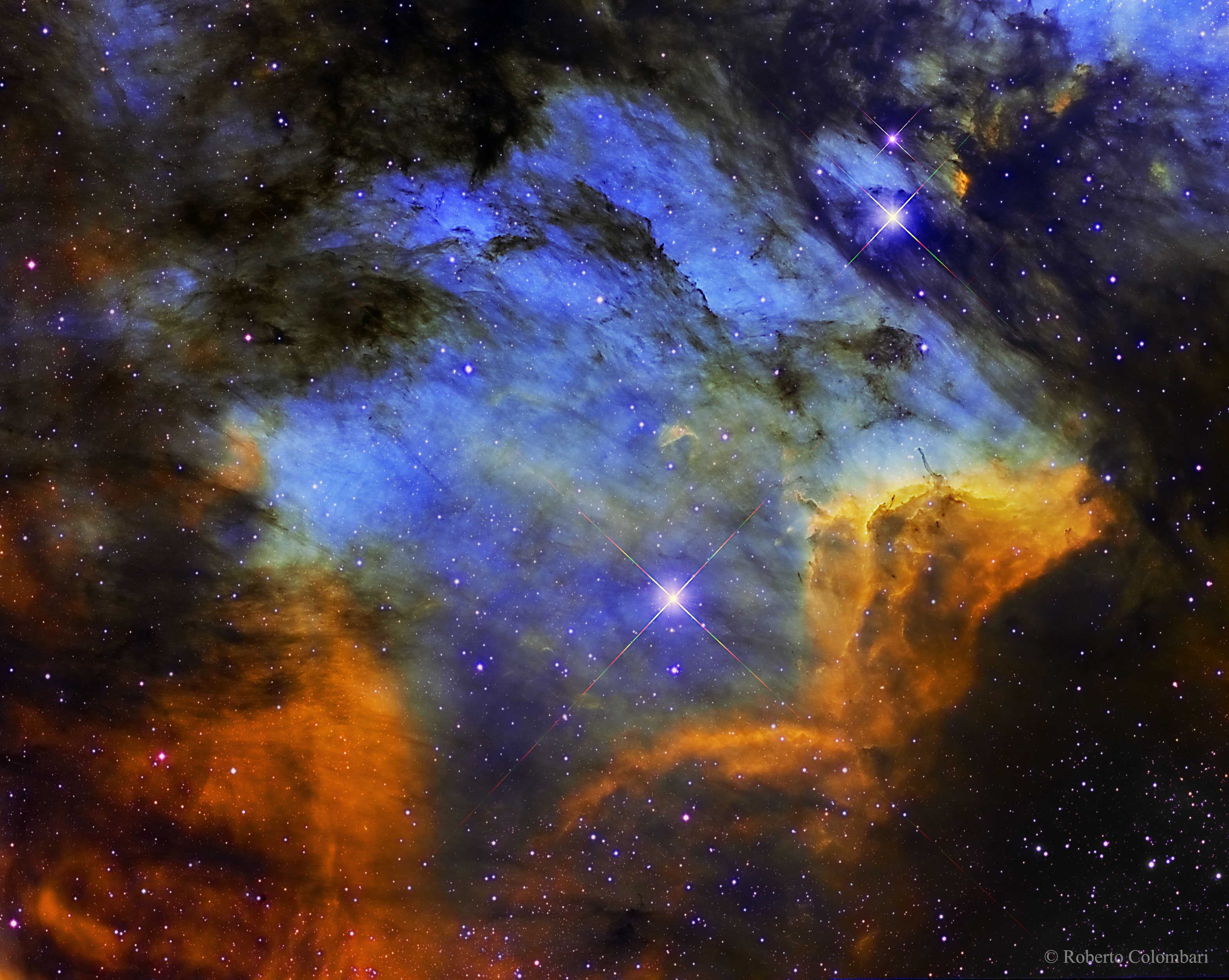
The Pelican Nebula in Gas, Dust, and Stars 
Image Credit & Copyright: Roberto Colombari
Explanation: The Pelican Nebula is slowly being transformed. IC 5070, the official designation, is divided from the larger North America Nebula by a molecular cloud filled with dark dust. The Pelican, however, receives much study because it is a particularly active mix of star formation and evolving gas clouds. The featured picture was produced in three specific colors -- light emitted by sulfurhydrogen, and oxygen -- that can help us to better understand these interactions. The light from young energetic stars is slowly transforming the cold gas to hot gas, with the advancing boundary between the two, known as an ionization front, visible in bright orange on the right. Particularly dense tentaclesof cold gas remain. Millions of years from now this nebula might no longer be known as the Pelican, as the balance and placement of stars and gas will surely leave something that appears completely different.

2015-11-15

Gina Maria - "Chapéu preto" - Classicos da musica portuguesa - Audio - Musica

Afficher l'image d'origine
"Chapeu preto"

Sting and Mylène Farmer - "Stolen car" - Video - Music

Afficher l'image d'origine
"Stolen car"

Astronomy picture of the day - 2015 November 15 - Leonids Over Monument Valley

2015 November 15
See Explanation.  Clicking on the picture will download
 the highest resolution version available.
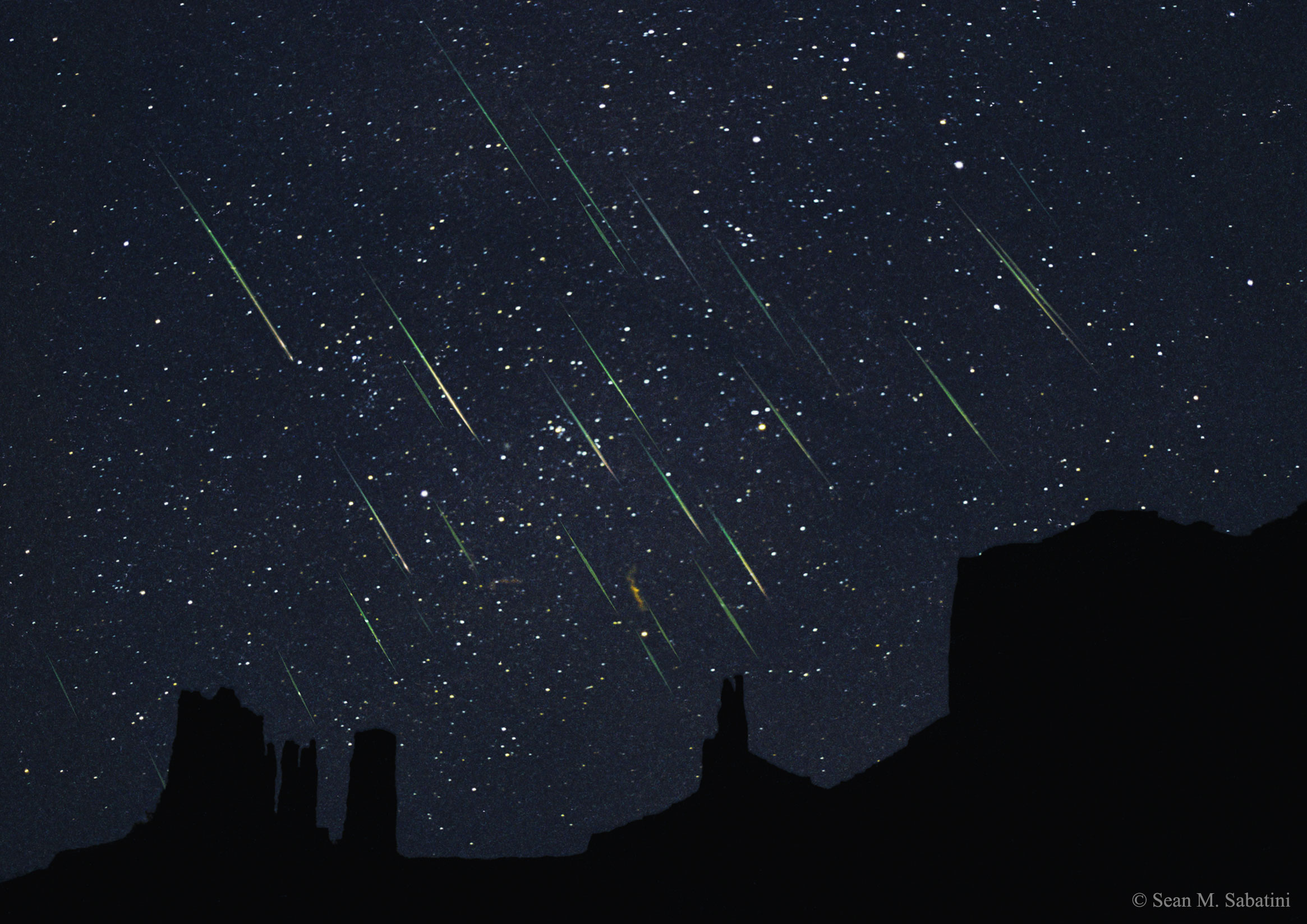
Leonids Over Monument Valley 
Image Credit & Copyright: Sean M. Sabatini
Explanation: There was a shower over Monument Valley -- but not water. Meteors. The featured image -- actually a composite of six exposures of about 30 seconds each -- was taken in 2001, a year when there was a very activeLeonids shower. At that time, Earth was moving through a particularly dense swarm of sand-sized debris from Comet Tempel-Tuttle, so that meteor rates approached one visible streak per second. The meteors appear parallel because they all fall to Earth from the meteor shower radiant -- a point on the sky towards the constellation of the Lion (Leo). The yearly Leonids meteor shower peaks again this week. Although the Moon's glow should not obstruct the visibility of many meteors, this year's shower will peak with perhaps 15 meteors visible in an hour, a rate which is good but not expected to rival the 2001 Leonids. By the way -- how many meteors can you identify in the featured image?

2015-11-14

Ver imagem original


Um trem de alta velocidade (TGV) descarrilou neste sábado (14/11) nas proximidades de Estrasburgo, no leste da França, deixando ao menos sete mortos e sete feridos. O veículo estava sendo testado, circulando com 49 técnicos a bordo, de acordo com a prefeitura do Bas-Rhin.
Segundo o jornal Le Monde, a causa do acidente seria o excesso de velocidade.  Questionado pelo "Le Monde", o grupo diz não ter para dar mais detalhes sobre as razões do acidente. O número exato de pessoas no trem não foi confirmado.
De acordo com o jornal francês, uma equipe de mergulhadores, os helicópteros da segurança civil, e dezenas de veículos de emergência foram enviados para o local.
O secretário de Estado para Transportes, Alain Vidalies, e seu ministro responsável Ségolène Royal, anunciaram que vão até o local.
O acidente ocorreu em uma seção da pista que ainda não estava aberta ao tráfego comercial. Esta é a extensão de 106 km de linha de alta velocidade (LGV) Leste, que será inaugurada comercialmente em abril de 2016. Esta rota leva de Baudrecourt em Lorraine, em Vendenheim, norte de Estrasburgo.
No teste, o trem faria 200 idas e voltas para alcançar a velocidade de 352 km/h, que é 10% mais elevada do que a velocidade de funcionamento (320 km / h) entre setembro de 2015, o final do primeiro trimestre de 2016, indica o gerente de infra-estrutura. De acordo com a rede SNCF, o objetivo é o de estar atentos "para a qualidade da infra-estrutura e o conforto dos passageiros no futuro."
Jornal do Brasil - Brasil

Astronomy picture of the day - 2015 November 14 - Wright Mons on Pluto

See Explanation.  Clicking on the picture will download
 the highest resolution version available.
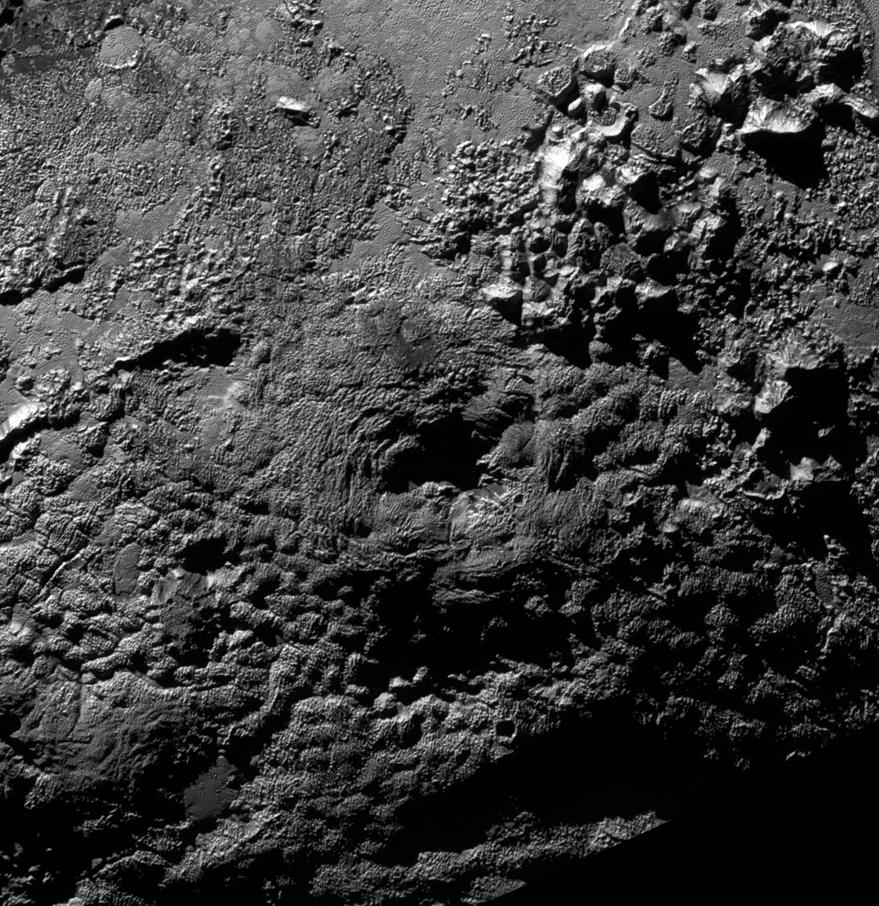
Wright Mons on Pluto 
Image Credit: NASAJohns Hopkins Univ./APLSouthwest Research Institute
Explanation: Long shadows are cast by a low Sun across this rugged looking terrain. Captured by New Horizons, the scene is found just south of the southern tip Sputnik Planum, the informally named smooth, bright heart region of Pluto. Centered is a feature provisionally known as Wright Mons, a broad, tall mountain, about 150 kilometers across and 4 kilometers high, with a 56 kilometer wide, deep summit depression. Of course, broad mountains with central craters are found elsewhere in the Solar System, like Mauna Loa on planet Earth and Olympus Mons on Mars. In fact, New Horizons scientists announced the striking similarity of Pluto's Wright Mons, and nearby Piccard Mons, to large shield volcanoes strongly suggests the two could be giant cryovolcanoes that once erupted molten ice from the interior of the cold, distant world.

2015-11-13

Texto - Peter Steps Rabbit zanga-se com Cavacuo Dassa!

Ver imagem original
Defendendo, contra a lei, o que julgava, me pertencia, acabei por perder o sul, o poente, o nascente, o…equilibrio e …e o norte!


Puta que pariu a democracia…!

Então neste mundo de liberdade um gajo não pode fazer malandrices à vontade? Isto aqui não é África, é verdade… mas valha-me a “Rainha de Portugal”; então agora é assim? O que o Povo decidiu é mesmo para cumprir?

Oh Cavacuo, tranforma-me já a esta Constituição que não serve para nada…Socorro Cavacuo, eu não quero ir embora… Ajuda Cavacuo, a União €uropeia esta habituada; ela não vai levar a mal se repetires as eleições até dar o nosso resultado certo!

Bem sabes da minha vida falhada; bem sabes que só me resta esta pechincha… Por favor Cavacuo…

…Quê, mandas-me pr’o car@lho!... Eu o teu amigo… quê, vai-te f#der!... Quê, desaparece…

Ok, tudo bem, então ficas a saber, meu cabr~#o, que a partir de agora não me vais mais utilizar nas tuas trafulhices e  que quero ver de volta, imediatamente, o dicionário de Português que te emprestei porque o Relvas ainda precisa dele. Ta?

PS: e não esqueças o " Patilhas e Ventoinha" que te emprestei ha três dias, senão tas tramado!

A Bem do meu Bem Estar.


Peter Steps Rabbit.

JoanMira 

Astronomy picture of the day - 2015 November 13 - The Tadpoles of IC 410

See Explanation.  Clicking on the picture will download
 the highest resolution version available.
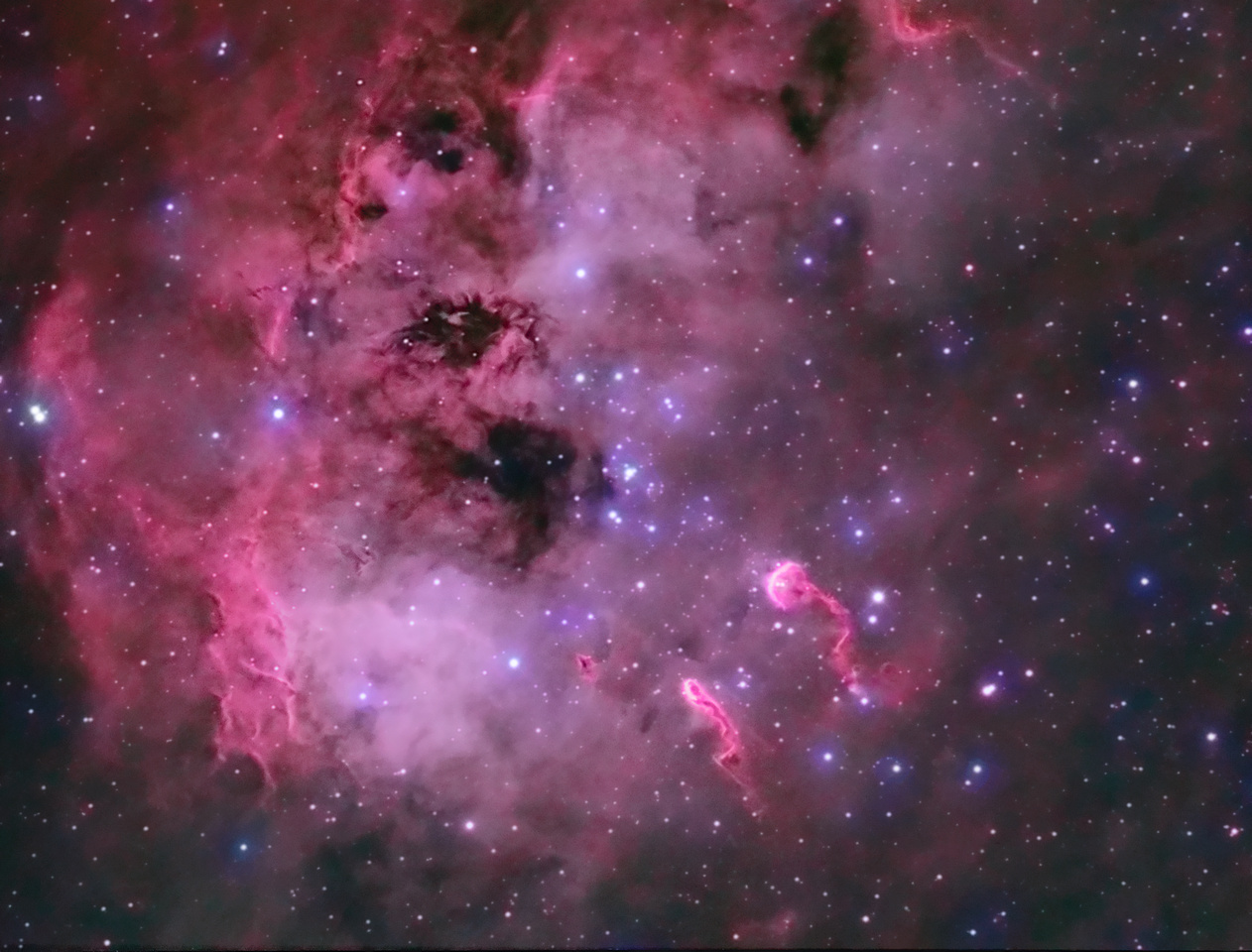
The Tadpoles of IC 410 Image Credit & CopyrightSteven Coates
Explanation: This telescopic close-up shows off the otherwise faint emission nebula IC 410. It also features two remarkable inhabitants of the cosmic pond of gas and dust below and right of center, the tadpoles of IC 410. Partly obscured by foreground dust, the nebula itself surrounds NGC 1893, a young galactic cluster of stars. Formed in the interstellar cloud a mere 4 million years ago, the intensely hot, bright cluster stars energize the glowing gas. Composed of denser cooler gas and dust, the tadpoles are around 10 light-years long and are likely sites of ongoing star formation. Sculpted by winds and radiation from the cluster stars, their heads are outlined by bright ridges of ionized gas while their tails trail away from the cluster's central region. IC 410 lies some 10,000 light-years away, toward the nebula-rich constellation Auriga.

Erro historico: Cartaz da JSD falha alvo e compara Governo de Passos e Portas ao nazismo


A ideia não era de todo essa, mas sim atacar a união da esquerda com a pergunta “Foi nisto que votou?”. Só que jovens sociais-democratas usaram uma imagem histórica de fundo de quando a União Soviética derrotou... o nazismo...


Cartaz da JSD está a gerar polémica (Foto: Facebook JSD)


O Twitter não perdoa e há já uma enxurrada de críticas ao mais recente cartaz da Juventude Social Democrata. E para lá da politiquice, o que está em causa é mesmo uma lição de história aparentemente mal aprendida. 

A ideia da JSD com a pergunta “Foi nisto que votou?” era causar indignação com a “coligação negativa” da esquerda que derrubou o Governo de Passos e Portas, como pode ver-se na imagem em cima.  

  
No entanto, quem reparar bem, há uma imagem de fundo, atrás de Jerónimo de Sousa, onde se vê a bandeira vermelha com a foice e o martelo sobre o Reichstag. É uma das imagens icónicas do século XX. Cá está ela:
 Ver imagem original

Representa a tomada de Berlim pela URSS, ou seja, a queda simbólica do...  nazismo. Estávamos em 1945. Dias depois, a Alemanha rendeu-se e com isso terminou a II Guerra Mundial.  

  
O cartaz acaba, por isso, por poder suscitar a interpretação de que a esquerda 'radical' chegou para derrubar o 'nazismo' de Passos e Portas. E, vindo da JSD, presume-se que não era de todo essa a ideia. 
  
No Twitter, a questão está a gerar polémica, gerando uma série de comentários a insinuar isto mesmo. Para além da "ignorância histórica" de que são acusados, há outras críticas. E, como de costume naquela rede, algumas carregadas de humor.

TVI24 - Portugal